“Leadership is about taking responsibility – not making excuses.” –Mitt Romney

There is no doubt that a leadership position is endowed with immense power allowing them to have such an influence over their subordinates. Leadership power persuades others (followers) to support their leader’s efforts and do as they are asked. When used properly, power in leadership can help team members maximize their potentials, perform their jobs effectively and efficiently and reach the overall objective of the team. On the other hand, it can be dangerous and damaging when done in bad faith. When leadership power is abused and used for personal gains of a select few, it becomes counterproductive and detrimental to the overall health of the team/organization.
As Uncle Ben of Spiderman said, “With great power comes great responsibility”.
One of the most critical aspect of power in leadership is what we call command responsibility, or the obligation of a leader to be held accountable for the actions of their subordinates. This includes being responsible for both orders given and for a failure to act when they know or should have known that illegal or unethical conduct was occurring, and failing to take steps to prevent or punish it. Because of this basic leadership principle, no leader can claim innocence or ignorance for what is being done by the people in his/her team. He is as guilty as the last man in the team.
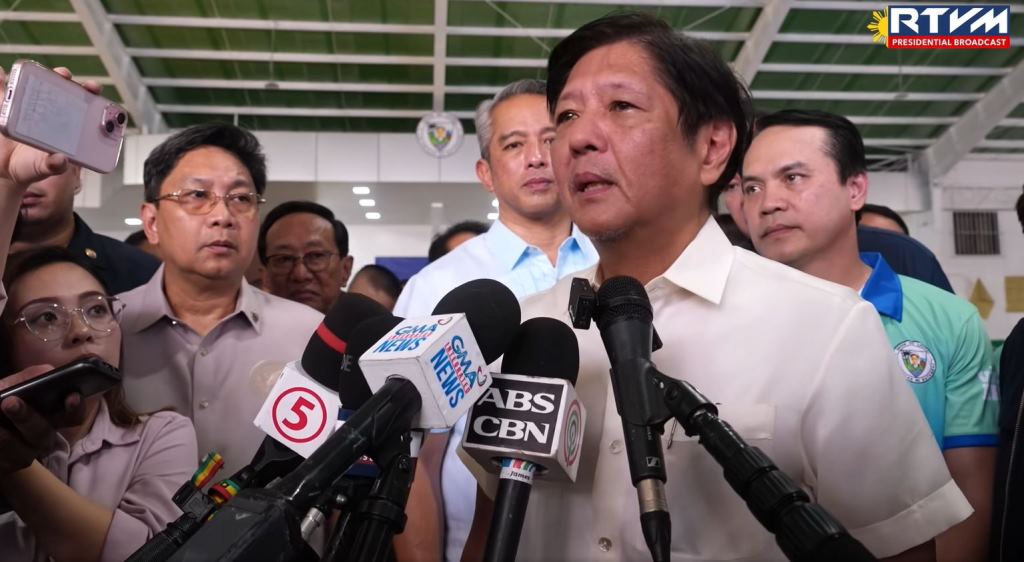
In the on-going investigation on the flood control corruption, many of our high ranking government officials, including senators, congressmen and even the President have been named as part of this greatest corruption of all time. But as may be expected, they all denied being part, or knowing or allowing corruption to take place. Yet, all these happened under their noses… in fact, into their nostrils. As a result, the fall guys or persons blamed for the mistakes of others, are being identified left and right. Department secretaries, undersecretaries, regional heads, district engineers, etc., are now the masterminds of this corruption scandal. But never their bosses.
These leaders (if you may call them that) may have forgotten and therefore, have to be reminded of the basic leadership principle of command of responsibility. Meaning, even if they claim that they are not directly involved in committing this grand theft (which majority of the Filipinos don’t buy), command of responsibility 101 dictates that they are as liable and accountable as the person they claim to have done it.
As leaders, which these officials are supposed to be, they have a duty to prevent unlawful acts and to take the necessary and reasonable measures upon knowing the potential violations. As such, they can be held responsible for their own inaction. When leaders look the other way or “close their eyes” or show tolerance or indifference to illegal activities committed by their subordinates, it’s like they are committing the crimes themselves. The 2025 national budget went through the scrutiny and review of the congress, senate and the concerned executive offices before finally being signed off by the President. They knew and have the power to question, correct, veto all the questionable items (both insertions and defunding) in the budget. But it was approved as is. Now all these leaders are washing their hands but their handprints are written all over. They may have not directly done the insertions or defunding themselves but their inaction to stop this anomaly make them as guilty.
A critical part of command of responsibility is ensuring that team members are made aware of the rules and laws that apply to their conducts as government officials, that there is a system to monitor and catch violations and that there are consequences for their demeanors. The tone should come from the top. But when team members see that their leaders, like a senator and the justice head, are fine with “bending” the laws, and the president kept silent, they are emboldened to misbehave.
Even in case when specific duties have been delegated to a team member, still, the leader takes full and ultimate responsibility and accountability for the actions of everyone under their command. With all the powers a leader possesses, the question now is: Did the leadership choose, empower, tolerate and protect the people who did the wrongdoings? Did the leadership create and promote the culture and system of corruption for it to happen in this grand scale? When the supposed members of the president’s inner circle are identified to be main parties to this corruption scandal, he just simply cannot be removed from the equation. His position and office is so powerful that this level of corruption cannot exist without his knowledge. No spox or blue ribbon committee hearing or ICC can exonerate the top brass from this mess.
Whether the president is directly or indirectly involved in the corruption scandal, the fact remains that this happened during his watch. He created and allowed the system that enabled these malpractices. Therefore, he must be held responsible and accountable. That’s what command responsibility is all about. Plain and simple.