Last night, I received a message from a retiring CPA who asked for advice on what to focus on in farming as he prepares for a life in the farm.
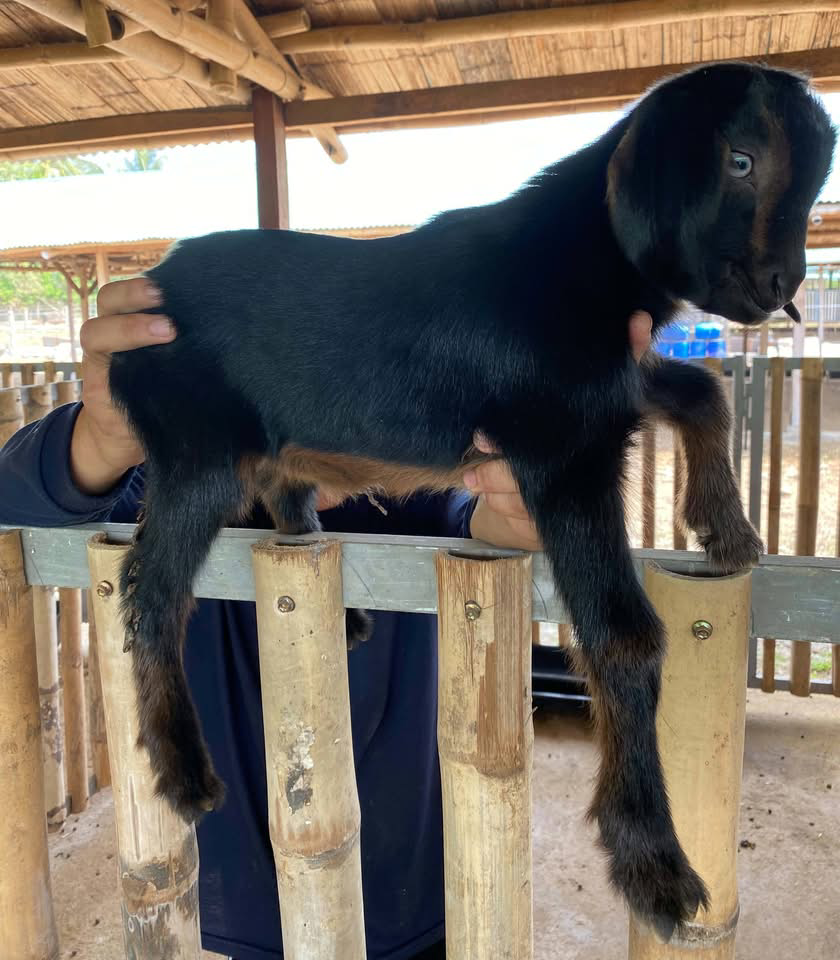
He told me his has 9 heads of cattle, 11 goats, a few turkey and native pigs.
My answer was: “Focus on Cattle farming because of a looming beef shortage prices will soar. Yong kambing, pabo at native pigs pampasaya lang sa buhay ng magsasaka yan.”
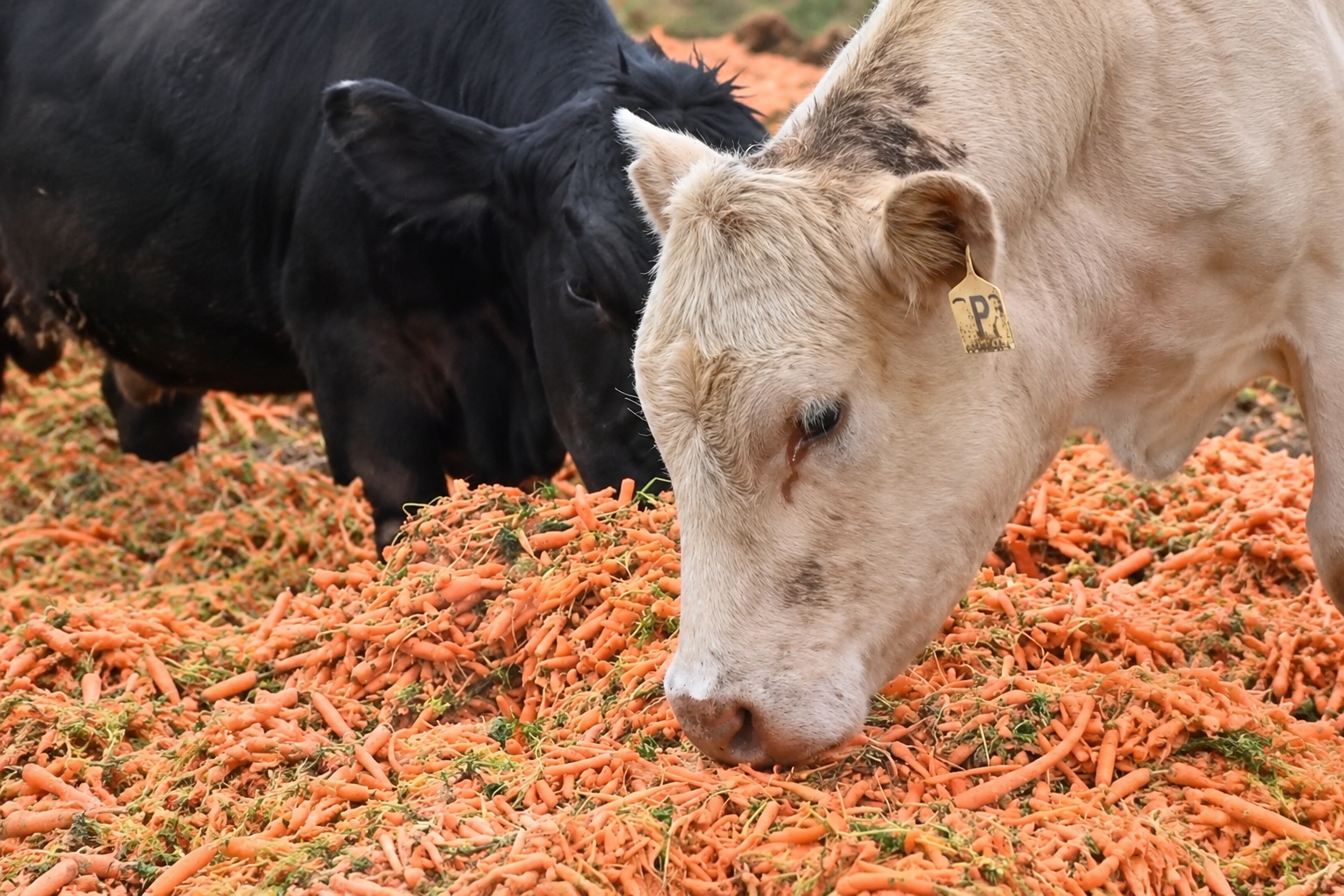
Whether you like to raise the huge Brahmans or the high value Wagyu, Cattle Farming is the way to go because not only are they easy to raise and resilient, there also no imminent biosecurity threats to cattle.
Hogs are threatened by the African Swine Fever while chicken are vulnerable to the Avian Influenza and I say this as a practicing farmer.
More than that, there is a looming Beef Shortage worldwide and the United States known worldwide for the iconic image of the Cowboy on horseback herding thousands of Cattle has turned from exporter to importer of Beef.
Here is an interesting AI-generated input on the projections for the Beef Demand in the world:
“The world beef market is projected to grow steadily, with estimates ranging from approximately $555 billion in 2024 to over $712 billion by 2030, at a compound annual growth rate (CAGR) of about 4.2\% to 4.4\%. Growth is driven by increasing protein demand in emerging economies and greater meat production efficiencies. Key trends include higher prices, supply tightness due to factors like reduced slaughter numbers in some regions, and strong import demand from countries like the US. Market value and growth 2024 Value: The market was valued at approximately $555 billion in 2024.2030/2034 Projection: The market is forecast to reach between $712 billion and $846 billion by 2030 or 2034.CAGR: The projected CAGR is around 4.2% to 4.4%) for the period of 2024-2030/2034.”
For Filipino Cattle farmers, the supply and market demand gap is so huge that it will take us a lifetime before we could fully supply the Beef requirements of a country of 115-M now.
What makes this industry exciting is the fact that this involves Backward Integration of farming activities which will contribute to the development of the Cattle Industry.
I am referring to the need to plant more Corn and Sorghum for silage production and the use of such farm by-products as Copra Meal, Palm Oil Kernel Meal, Rice Bran, Corn Bran and Molasses.
In the processing phase, the industry will create jobs while opening income opportunities for small businesses involved in preparing “Balbacua,” “Bulalo” and other Beef-based Filipino food.
The foundations have been established and it is now all up to the government to provide support facilities and credit programs for farmers to be able to acquire Cattle that they could raise in their backyards.