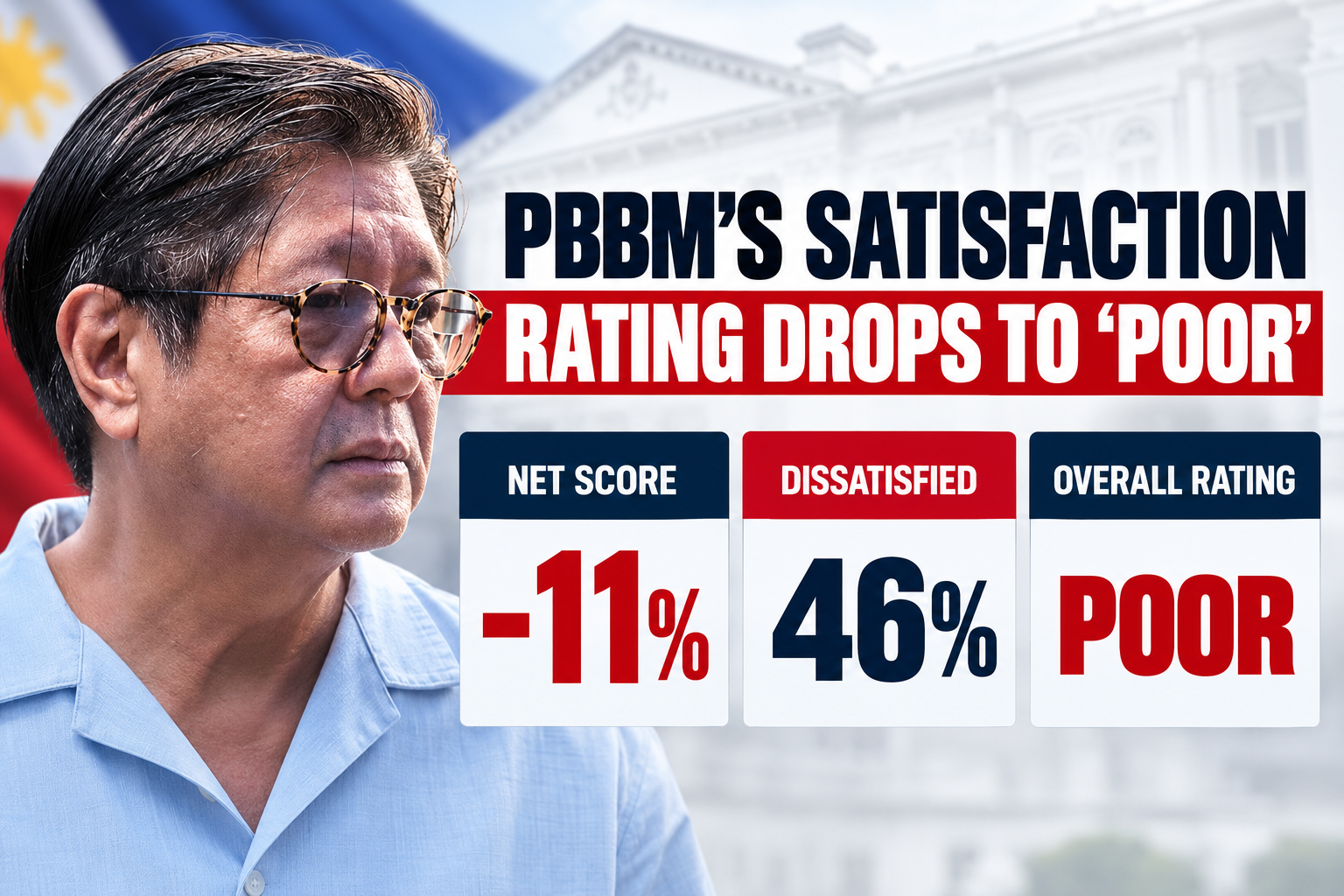

The growing reliance on “presidential urgency” has ceased to be an exception and has quietly become a governing shortcut—one that endangers the very architecture of democratic accountability.
What was once justified as a tool for crisis response is now repeatedly invoked to hurry legislation past scrutiny, compress deliberation, and neutralize the checks that separate lawful governance from arbitrary rule. In a constitutional democracy, speed is not a virtue when it tramples process.
The 2024 General Appropriations Act stands as a cautionary exhibit. Under the banner of urgency, Congress was reduced to a conveyor belt, its constitutional duty hollowed out by rubber-stamping and procedural neglect.
The subsequent DPWH leaks, the Cabral files, and public disclosures by lawmakers themselves reveal not an isolated lapse but a pattern: shortcuts normalized, oversight sidelined, and accountability treated as expendable. When urgency becomes routine, transparency becomes optional.
This erosion did not arrive without warning. Justice Marvic Leonen’s cautions—clear, public, and grounded in constitutional doctrine—were there to be heeded. They were not. The consequence is predictable: oversight weakened, discretion expanded, and the space for favoritism and mismanagement widened.
Governance by haste does not merely risk error; it invites abuse by design.
The defenders of urgency argue necessity. But necessity without accountability is the oldest alibi of power. Democracies do not collapse only through coups; they corrode through convenience—when leaders learn that invoking urgency can bypass questions, muffle dissent, and fast-track decisions with billions at stake.
The Constitution was written precisely to slow power down, to force explanation, debate, and consent.
Public trust is not eroded by criticism; it is eroded when rules are bent and justifications are retrofitted after the fact.
If the Constitution is optional when inconvenient, then it is not a constitution at all—it is a suggestion. And a government that governs by suggestion rather than law forfeits its moral authority to demand obedience, sacrifice, or patience from its people.
This is the line that must be drawn. Urgency must be the exception, not the habit. Transparency must be enforceable, not performative. Checks and balances must function even—especially—when it is inconvenient.
Because governance cannot survive on speed alone. It survives on restraint, accountability, and the courage to follow the rules when breaking them would be easier.