The numbers are staggering—and they should unsettle every Filipino who still believes in a secure economic future.
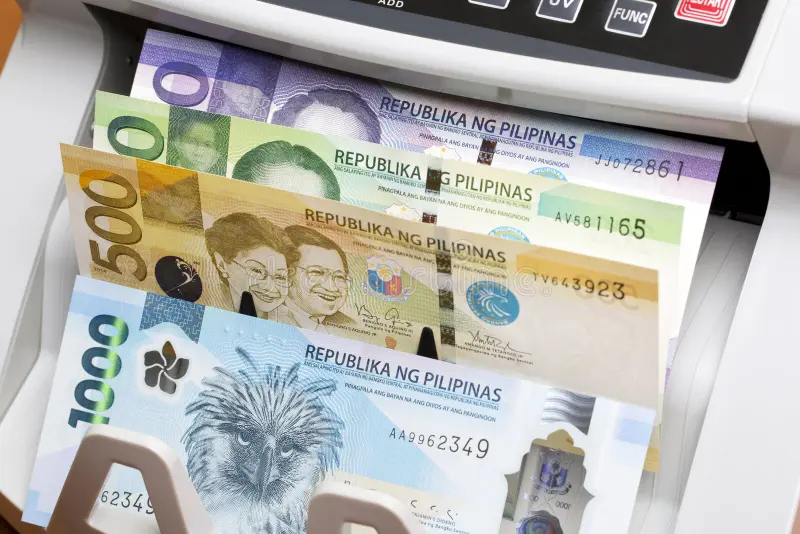
As of end-2025, the country’s external debt stands at $147.65 billion, according to the Bangko Sentral ng Pilipinas. Meanwhile, total national government debt has ballooned to a record ₱17.7 trillion, as reported by ABS-CBN News Channel. While officials are quick to point out that only about 30% of this is foreign debt—per the Bureau of the Treasury—that distinction offers little comfort to a public that ultimately pays for all of it.
Now comes another alarming headline: the Marcos administration is moving to borrow yet another ₱1 trillion in just the first quarter.
The justification? Rising global risks.
But here’s the uncomfortable truth: borrowing is not the problem—reckless borrowing is.
Debt, when used wisely, can fuel growth, build infrastructure, and strengthen a nation’s resilience. But in a system plagued by inefficiency, negligence, and recurring corruption scandals, every peso borrowed carries a heavier burden. It is not just money—it is a gamble with the nation’s future.
We are told these loans are necessary. Necessary for what, exactly? For projects that stall? For programs that leak funds? For a bureaucracy that too often confuses public service with political survival?
The real issue is not the size of the debt alone—it is trust. Can the government convincingly assure its people that this ₱1 trillion will not be wasted, mismanaged, or worse, siphoned off?
Because if it cannot, then this borrowing spree is not an investment—it is a liability passed on to the next generation.
And that is where the moral question becomes unavoidable.
Who truly benefits from this debt? And who will ultimately pay the price?
The answer, if history is any guide, is painfully clear: today’s leaders make the decisions, but tomorrow’s Filipinos will carry the burden.
At some point, the nation must draw the line—not against borrowing itself, but against borrowing without accountability.
Otherwise, we are not just building debt.
We are building a future mortgaged before it even begins.