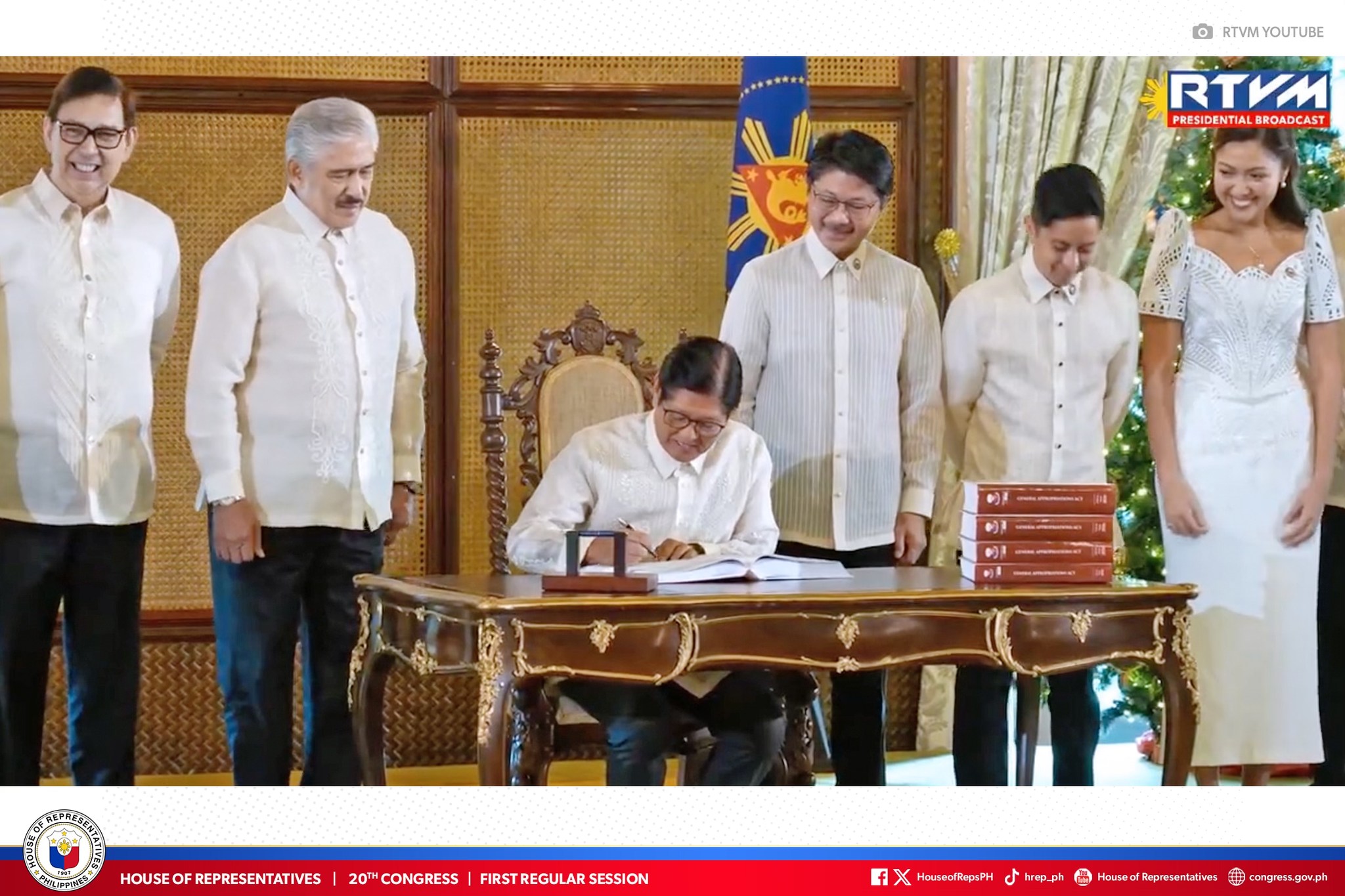
Indeed, it is a happy New Year—but only for those fortunate enough to be blessed by political affiliation.
For ordinary citizens, this raises an old but uncomfortable question: What is the true role of a district representative? Is it to craft laws that genuinely uplift the lives of constituents, strengthen institutions, and protect public welfare? Or has the role quietly shifted toward becoming an infrastructure broker, where projects matter less for public need and more for political mileage—and personal gain?
When representatives obsess over infrastructure projects, especially in districts where political allies or even personal construction interests exist, public trust erodes. People begin to ask questions that should never be necessary in a functioning democracy: Is every project padded with commissions? Does the full budget truly go to the road, bridge, or school—or only enough to justify an “accomplishment,” conveniently left unfinished for another round of funding next year?
This is where politicizing government services becomes dangerous. Development should never be a reward for loyalty nor a punishment for dissent. Yet the pattern appears familiar: no political affiliation, no funding; no alignment, no priority—perhaps no “commission” either.
Ordinary Davaoeños are not blind. They see the imbalance, the selective generosity, and the quiet normalization of excess budget insertions. They wonder why some districts overflow with projects while others struggle for the bare minimum. And they ask, with growing frustration, whether public service has been reduced to transactional politics rather than principled governance.
Government funds are not personal favors. Infrastructure is not a campaign tool. And representation should never be confused with entitlement. Until public officeholders remember that their primary duty is legislation, oversight, and equitable service—not political enrichment—this cycle of mistrust will only deepen.
Filipinos pay taxes without political color or party affiliation. We contribute with the hope that our hard-earned money will return to our communities in the form of meaningful public services—roads, schools, hospitals, bridges, and programs that uplift the poor, the indigent, senior citizens, and persons with disabilities.
Unfortunately, many of the leaders entrusted with our votes choose a different path. Instead of prioritizing public service, they focus on political survival—on maintaining power, influence, and advantage. Governance becomes a tool not for national development, but for personal gain and self-preservation.
When public funds are treated as political capital rather than a sacred trust, the people suffer. Taxes cease to be instruments of progress and instead become reminders of a system that serves the few at the expense of the many.
This betrayal of public trust is not just a failure of leadership—it is a direct injustice to every Filipino who pays honestly and hopes for a government that truly serves.
Because in the end, a “Happy New Year” that benefits only the politically connected is not progress—it is proof that the system remains broken.