The Filipino people have never lacked imagination, talent, or the ability to achieve the extraordinary. Time and again, we have proven that what seems impossible can be made real through discipline, innovation, and collective will.
But this is not about capability.
This is about priority, timing, and trust—three things that are glaringly absent in the latest grand proposal: an underwater tunnel linking Luzon to the Visayas.
Let’s be clear. No one is saying it cannot be done. The question is far more urgent and far more damning: Should it be done now? And more importantly, who stands to benefit from even studying it?
At a time when millions of Filipinos still struggle with overcrowded classrooms, underfunded hospitals, crumbling roads, and flood control systems that fail at the first sign of heavy rain, the idea of allocating ₱150 million—public money—just to study the feasibility of a mega-project spanning hundreds, if not thousands, of kilometers is not just questionable.
It is outrageous.
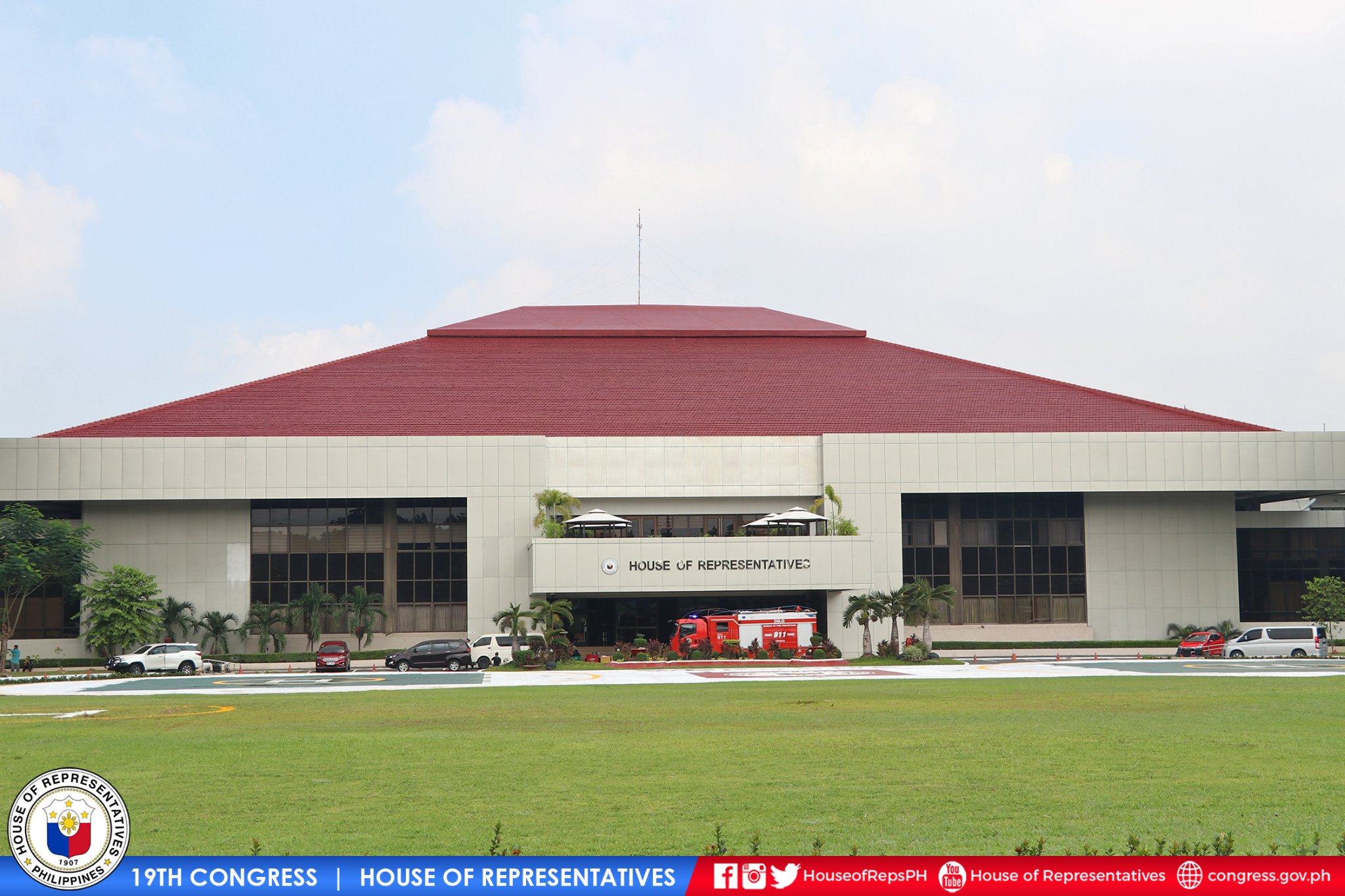
And this is where the deeper issue emerges—the House of Representatives itself. An institution constitutionally mandated to craft laws that protect the people is now increasingly seen as a breeding ground for bloated proposals, questionable allocations, and projects that raise more suspicion than confidence.
Let’s stop pretending this is purely about development.
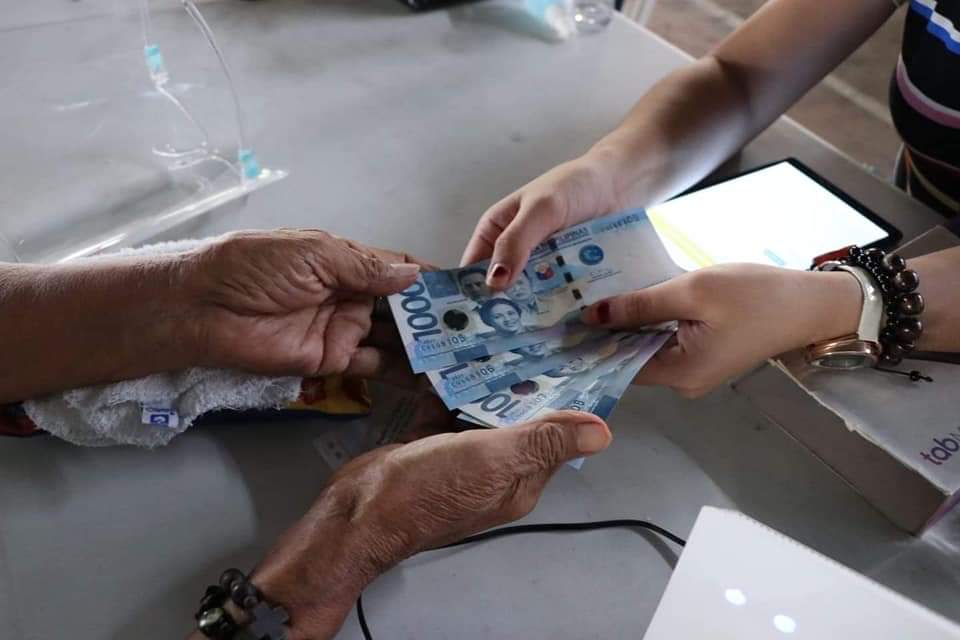
Because in a system where corruption has become endemic, where infrastructure budgets have historically been the easiest channels for leakage, overpricing, and ghost implementations, even a “feasibility study” becomes suspect. ₱150 million is not a small amount—it is, for many communities, the difference between having a functioning clinic or none at all, between safe roads or deadly ones.
So when such an amount is casually floated for a study of a project that is neither urgent nor essential, the public is left to ask: Is this really about national progress—or about opening another door for public funds to quietly disappear?
Even more alarming is the contradiction. Major infrastructure projects already in motion face funding uncertainties and delays, yet a concept as massive and complex as an underwater tunnel is being entertained, even prioritized in discussion.
This is not vision.
This is distraction at best, and exploitation at worst.
The role of lawmakers is not to act as engineers, contractors, or dream merchants of grandiose infrastructure fantasies. Their duty is far simpler, yet far more critical: to ensure that every peso of public funds serves the immediate and long-term welfare of the Filipino people.
Right now, that duty is being blurred—if not outright abandoned.
Because before we dare to dig tunnels beneath our seas, we must first confront the rot within our institutions. A government that cannot be trusted to build flood control systems without controversy has no moral authority to propose engineering marvels beneath the ocean floor.
Until transparency, accountability, and discipline are firmly established, every grand project—no matter how visionary—will carry the stench of suspicion.
And the people are no longer blind to it.
“Before we carve tunnels beneath our seas, we must first expose the tunnels through which public funds disappear.”