Photo courtesy: PTV
●A Band-Aid for Crisis—or a Tool for Political Leverage?

In the midst of a worsening economic crisis—marked by soaring fuel prices, rising cost of basic commodities, and increasing transportation fares—one question continues to echo across communities:
Does government cash assistance (perayuda) truly solve the crisis, or does it merely sustain dependency?
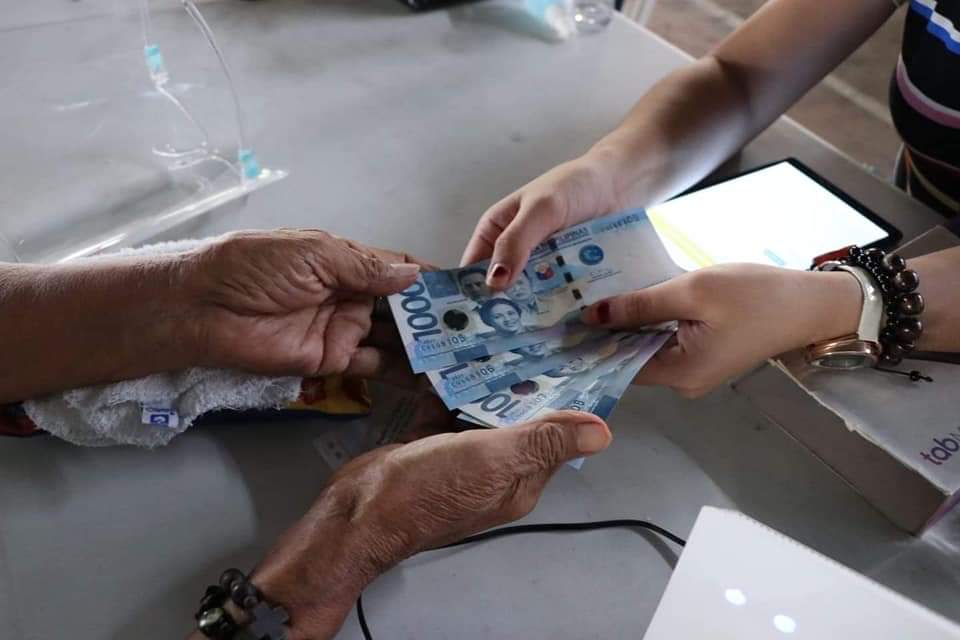
Government programs such as Emergency Cash Transfer (ECT) and Assistance to Individuals in Crisis Situation (AICS) were designed as emergency safety nets for the most vulnerable sectors of society. In principle, these initiatives aim to cushion the immediate impact of economic shocks and provide temporary relief to those struggling to survive.
However, the reality on the ground paints a different picture.
●A TEMPORARY FIX, NOT A LASTING SOLUTION
Cash assistance, by its very nature, is a short-term response. It does not address the structural roots of the crisis. It does not stabilize fuel prices, generate sustainable employment, or increase wages. It does not reform inefficient systems that perpetuate inequality.
At best, perayuda functions as a stopgap measure—a means to momentarily ease the burden of daily survival. But it does not offer a pathway out of poverty.
●THE POLITICIZATION OF PUBLIC AID.
A more troubling concern lies in the growing perception that perayuda distribution has become entangled with political interests.
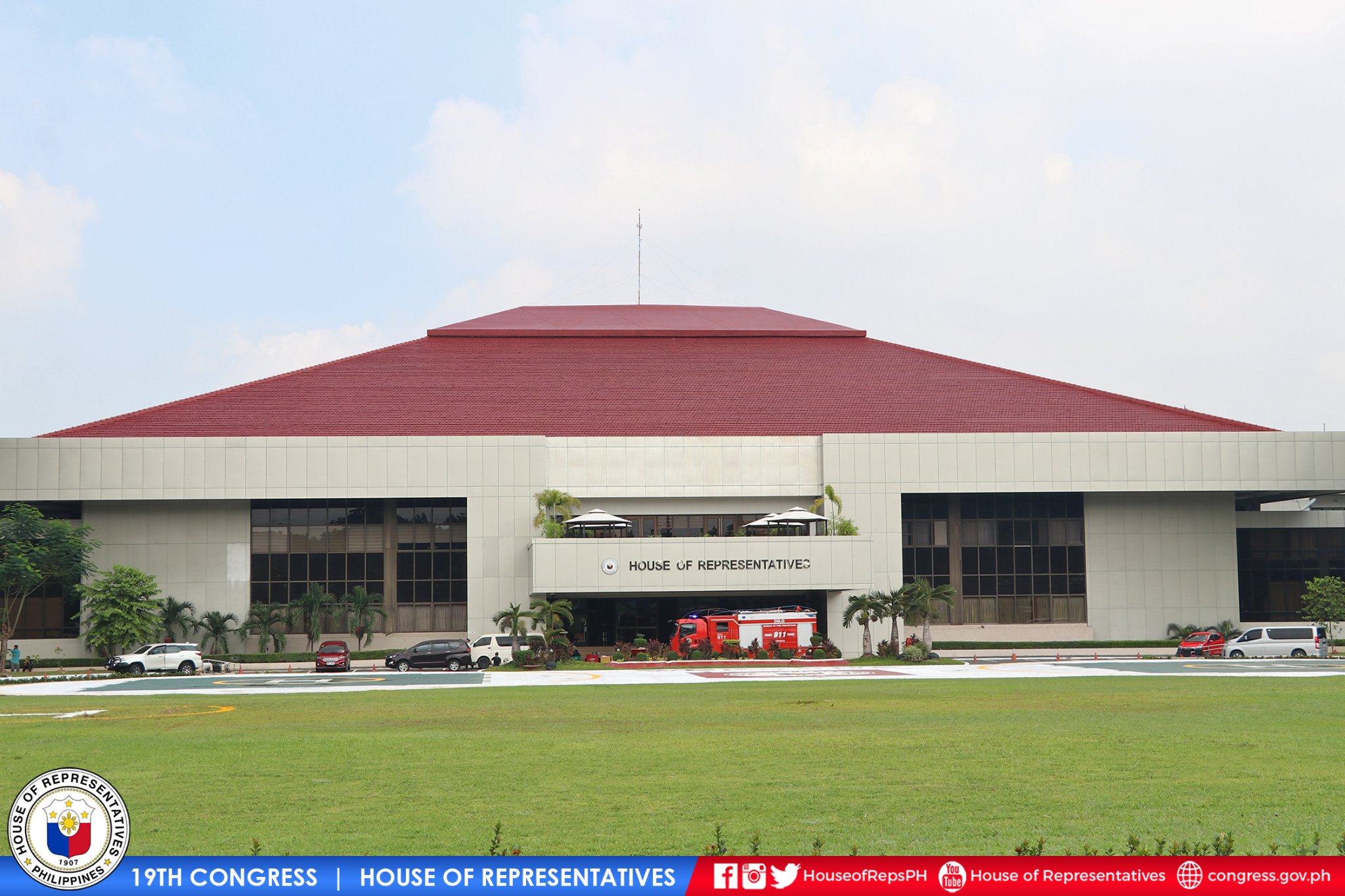
Why are elected officials—particularly members of legislative bodies—taking active roles in identifying beneficiaries and facilitating distribution? Why are public assistance programs often associated with political figures rather than the institutions mandated to implement them?
These questions raise serious concerns about the integrity of the process.
When beneficiary selection becomes influenced by political networks, the system risks devolving into one driven by favoritism rather than fairness. When distribution events double as public relations opportunities, the line between public service and political promotion becomes blurred.
In such a system, assistance is no longer purely humanitarian—it becomes “transactional.”
●A DISORGANIZED AND INEFFICIENT SYSTEM.
Reports from various communities highlight recurring issues in the implementation of cash assistance programs:
- Lengthy queues and overcrowded distribution sites
- Repetitive and unclear documentary requirements
- Absence of a centralized and reliable beneficiary database
- Inconsistent validation processes
These inefficiencies create opportunities for exclusion, delay, and manipulation. In many cases, those most in need are the ones who struggle the most to access assistance.
Such conditions not only undermine the purpose of emergency aid but also erode public trust in government institutions.
●PUBLIC FUNDS, NOT POLITICAL FAVOR.
It is essential to underscore a fundamental truth: perayuda is not a gift from politicians.
It is derived from public funds—generated through the “taxes” paid by Filipino workers, entrepreneurs, and ordinary citizens. Every peso distributed is, in essence, a return of the people’s own contribution.
Framing ayuda as a personal act of generosity by public officials distorts this reality. It shifts the narrative from one of entitlement and accountability to one of indebtedness and patronage.
This shift is dangerous.
●THE CYCLE OF DEPENDENCY
When short-term relief is repeatedly used in place of long-term solutions, a cycle of dependency begins to form. Citizens are compelled to rely on periodic assistance rather than empowered through sustainable economic opportunities.
Meanwhile, systemic issues remain unaddressed:
- Weak job creation
- Stagnant wages
- Rising inflation
- Inefficient governance structures
Without comprehensive reforms, perayuda risks becoming a recurring substitute for genuine development.
●A CALL FOR ACCOUNTABILITY AND REFORM
There is no denying that cash assistance has a role in times of crisis. For many, it is a lifeline. But it must not become the centerpiece of government response.
What the country urgently needs are:
- Sustainable employment opportunities
- Transparent and digitized distribution systems
- Stronger oversight mechanisms to prevent misuse
- Policy reforms that address the root causes of economic instability
Above all, there must be “accountability”.
●CONCLUSION
The Filipino people deserve more than temporary relief. They deserve systems that uplift, empower, and sustain.
Perayuda, when implemented with integrity, can help people survive. But when politicized and mismanaged, it becomes something far more troubling—a subtle instrument of control that perpetuates the very conditions it claims to alleviate.
As the nation continues to grapple with deepening economic challenges, the question remains:
Are we being helped—or are we being managed?
The answer will determine not only the effectiveness of public policy, but the future of governance itself.■