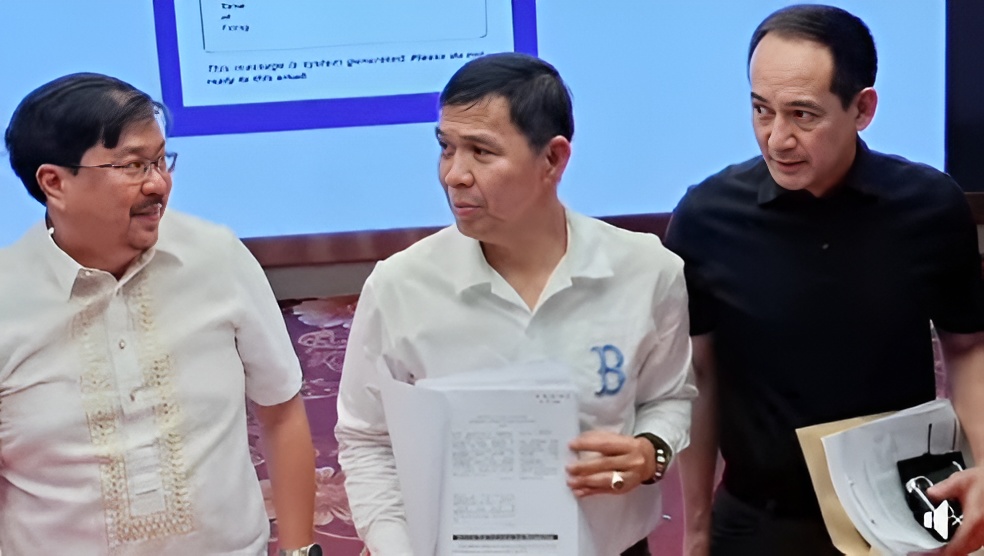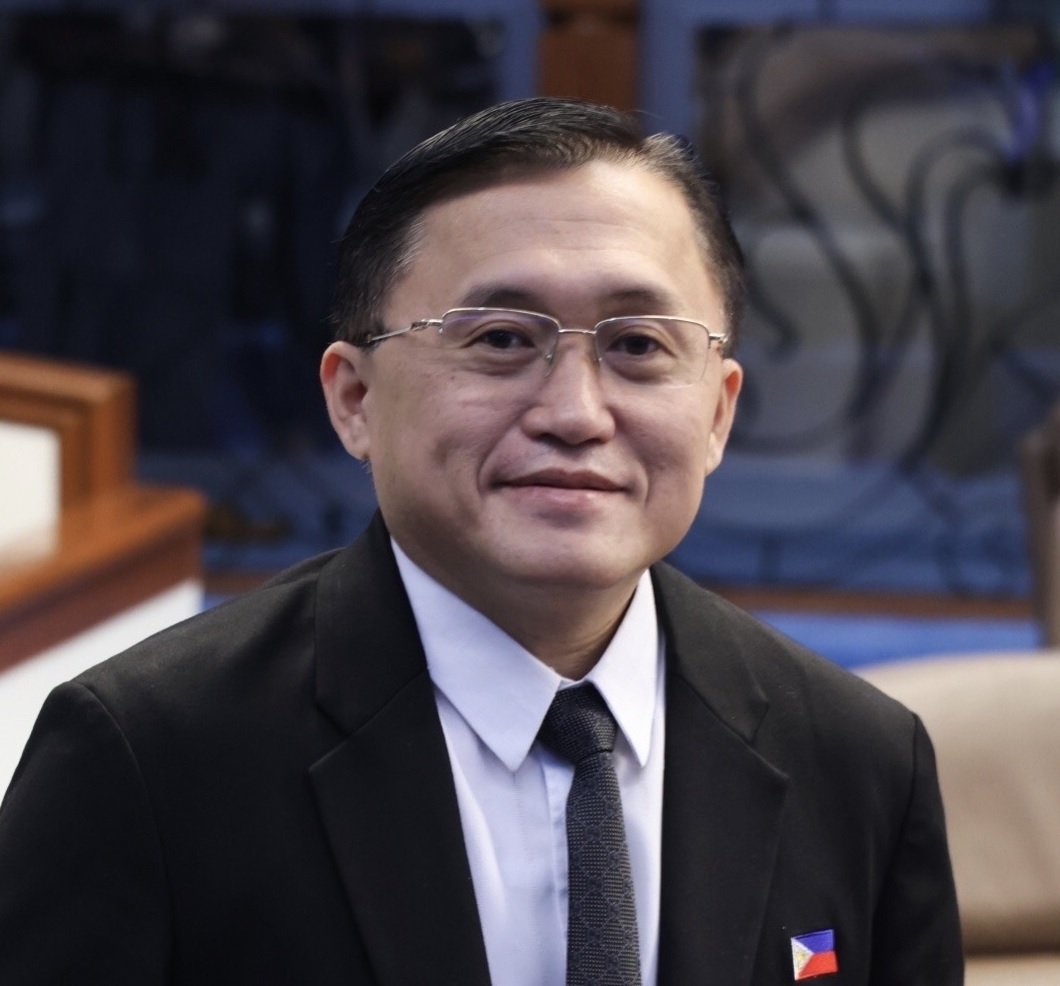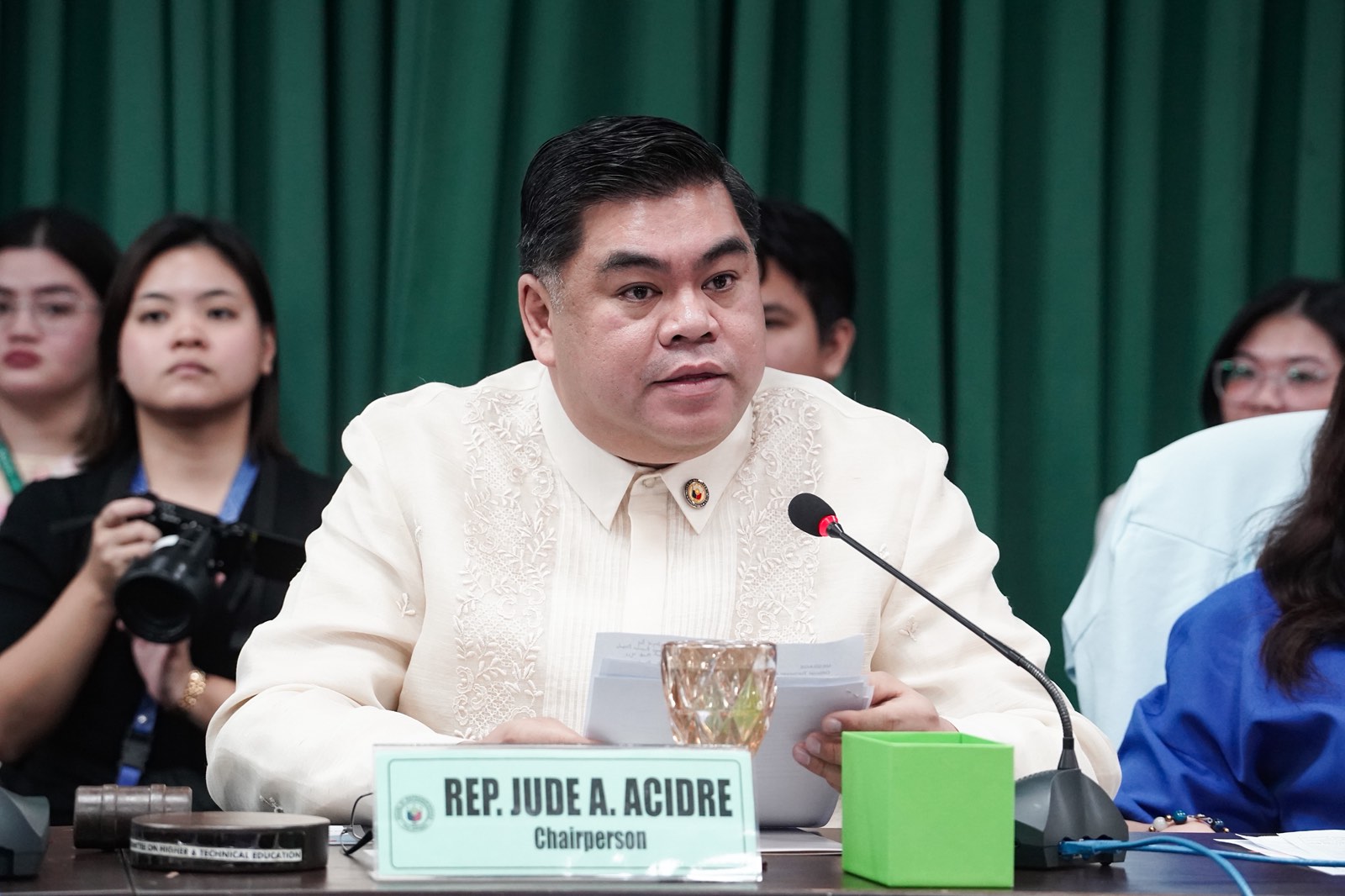
In Photo: Rep. Jude Acidre (TINGOG Party-list)
- Chairperson, House Committee on Higher and Technical Education
- Co-Chairperson, Second Congressional Commission on Education (EDCOM II)
QUEZON CITY — It wasn’t just a ceremonial handover; it was a reckoning with the future. On Monday, the halls of the House of Representatives fell silent as the Second Congressional Commission on Education (EDCOM II) unveiled “Turning Point: A Decade of Necessary Reforms.” More than a mere report, this document—alongside a 10-year National Education and Workforce Development Plan—represents the most ambitious attempt in a generation to fix the nation’s learning crisis.
The scene was a culmination of years of quiet, rigorous work. Led by EDCOM II Co-Chairpersons Rep. Jude Acidre and Rep. Roman Romulo, the commission officially entrusted their findings to House Speaker Faustino “Bojie” Dy III. For Acidre, who also chairs the House Committee on Higher and Technical Education, the moment was a transition from deep reflection to urgent, sustained reform.
The journey to this report did not begin in an ivory tower. As Acidre shared with his colleagues, the commission deliberately started with uncertainty and a commitment to radical listening. They didn’t just pore over spreadsheets; they listened to the lived realities of students, teachers, and families. This human-centric approach led the commission to a difficult crossroad: they could either offer surface-level fixes or confront the uncomfortable, structural issues that have held Filipino learners back for decades. They chose the latter.
This “Turning Point” is fueled by evidence-based strategy, a feat Acidre credited to the relentless efforts of the EDCOM II Secretariat under Dr. Karol Mark Yee and the steady guidance of the Education, Legislation, and Policy Advisory Council. The result is a roadmap designed to outlast political cycles, ensuring that the dream of a world-class Filipino workforce remains a priority for the next ten years, regardless of who is in power.
Throughout the process, the spirit of collaboration was the commission’s greatest strength. Acidre pointed to the synergy between himself, Rep. Romulo, and fellow Commissioners as the engine of the reform movement. He also expressed deep gratitude to the House leadership, including Speaker Dy and former Speaker Ferdinand Martin Romualdez, for providing the independent space necessary to conduct such a monumental deep dive into the state of the nation’s schools.
But Acidre was quick to remind the room that the work is far from finished. With the extension of EDCOM II’s term, the Final Report is being treated as a “living document”—a blueprint that will be constantly tested, questioned, and refined as it moves from paper to the classroom.
As the ceremony concluded, Acidre left his colleagues with a poignant reminder: at the heart of every framework and institutional reform are the people who still believe that an education can change their lives. The report is for them, and the real test begins now—staying humble enough to learn, yet brave enough to act. (PR)