The Philippine healthcare system is no longer merely “in crisis.”
It is in freefall.
What we are witnessing today is not a temporary shortage, not a passing difficulty, not an unfortunate bump in governance. It is a collapsing scenario—one defined by chronic neglect, institutional decay, and a political culture that treats public health as an afterthought.
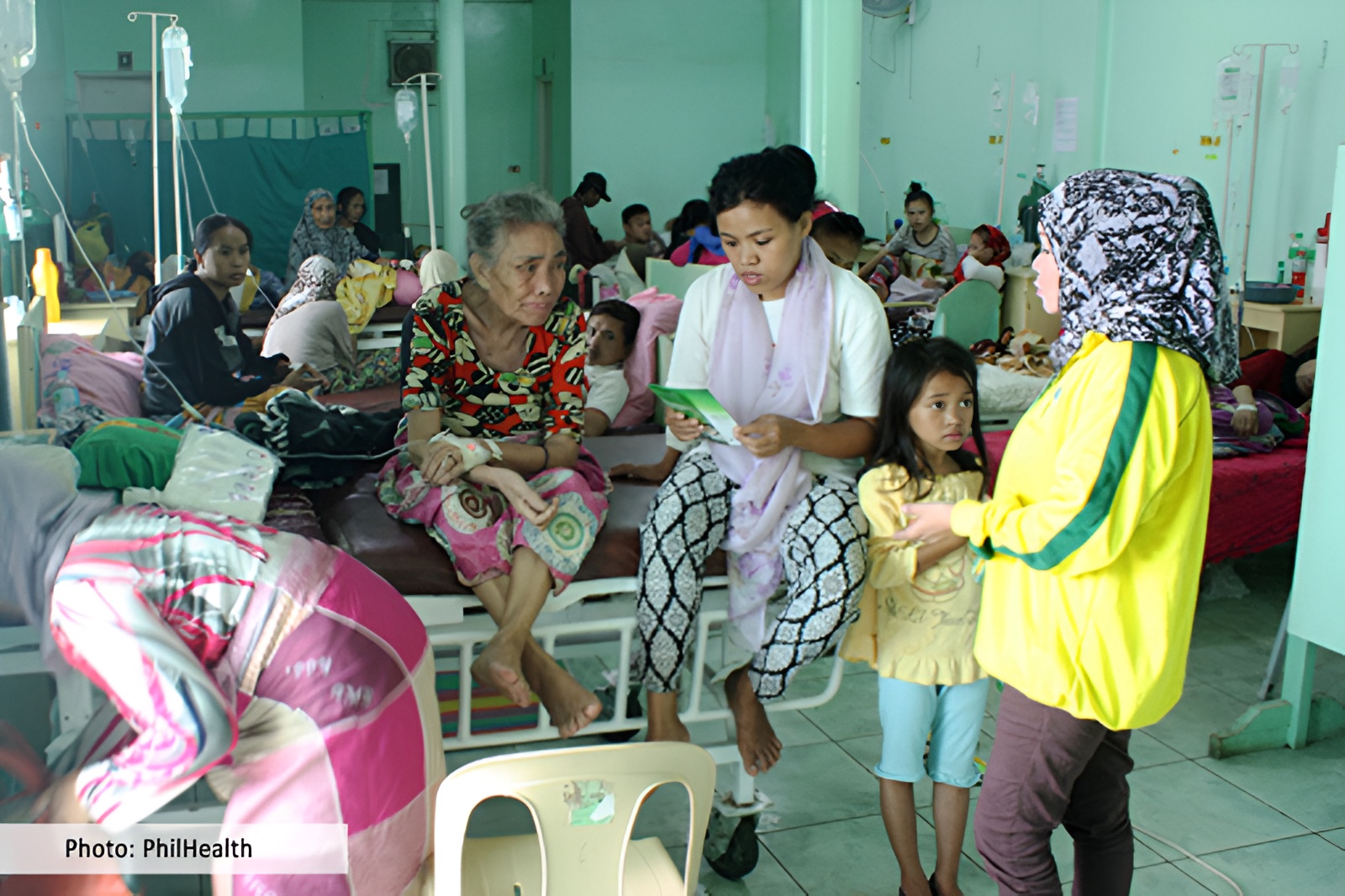
Hospitals are overcrowded. Facilities are outdated. Healthcare workers are exhausted. Patients are reduced to numbers on waiting lists. Families are pushed into bankruptcy just to survive an illness.
And the government’s response?
Silence. Excuses. Photo-ops.
Take PhilHealth, the very institution meant to serve as the nation’s health safety net. In 2025, it is reported to have a “zero” budget allocation. Zero.
In a country where millions already struggle to afford basic medicine, the idea that the primary health insurance program is effectively hollowed out is not just alarming—it is unforgivable. This is not fiscal prudence. This is abandonment dressed up in bureaucratic language.
Meanwhile, Filipinos remain trapped in one of the cruelest healthcare arrangements imaginable: a system where illness is not only a medical emergency, but an economic death sentence.
Out-of-pocket expenses remain among the highest in the region. In other words, healthcare in the Philippines is not a right—it is a privilege, purchased only by those who can afford to stay alive.
And while patients suffer in cramped corridors and improvised wards, billions of pesos have already been poured into projects that never materialized. Over 1,800 unfinished health facilities sit across the country—half-built, abandoned, decaying monuments to incompetence and corruption. The cost? Roughly 32.4 billion pesos wasted. A staggering Thirty-two billion pesos.
That figure should enrage every Filipino. Because that money was not abstract. It was supposed to be hospital beds. Rural clinics. Diagnostic machines. Emergency rooms. Lives saved.
Instead, it became stalled infrastructure—projects frozen for years, casualties of contractor irregularities, political turnover, or plain indifference.
In any functioning democracy, such a scandal would provoke resignations, prosecutions, and public reckoning.Here, it becomes just another headline.
This is why the crisis is structural. It is not simply about funding gaps or workforce shortages. It is about a governance model where politics consistently trumps public service.
Hospitals are treated like ribbon-cutting opportunities, not essential lifelines. Budgets are shaped more by patronage than by necessity. Health programs are launched with fanfare, then quietly starved once the cameras are gone.And while policymakers debate, delay, and deflect, healthcare professionals flee.
The Philippines is suffering a severe shortage of doctors, nurses, and medical staff—not because Filipinos lack talent, but because the system rewards sacrifice with burnout and poverty wages. Our best healers are exported abroad while our hospitals are left gasping for manpower.
So who pays the price? Always the most vulnerable.The poor mother who postpones treatment because the consultation fee is already too much. The elderly man who skips maintenance medicine because food comes first. The child whose preventable illness becomes fatal because the nearest facility is unfinished, understaffed, or under-equipped.
These are not isolated tragedies. They are the predictable outcomes of a state that has normalized medical suffering. Let us be clear: this is no longer just mismanagement. This is systemic betrayal.
A government that cannot guarantee healthcare is a government failing at the most basic duty of civilization: protecting life.
And until accountability replaces apathy—until public outrage becomes political consequence—the Philippines will continue down this path, where hospitals collapse, families drown in debt, and survival becomes a luxury.
The question is no longer whether the system is breaking. It is how many more Filipinos must suffer before we finally admit:
This collapse was not accidental. It was allowed.