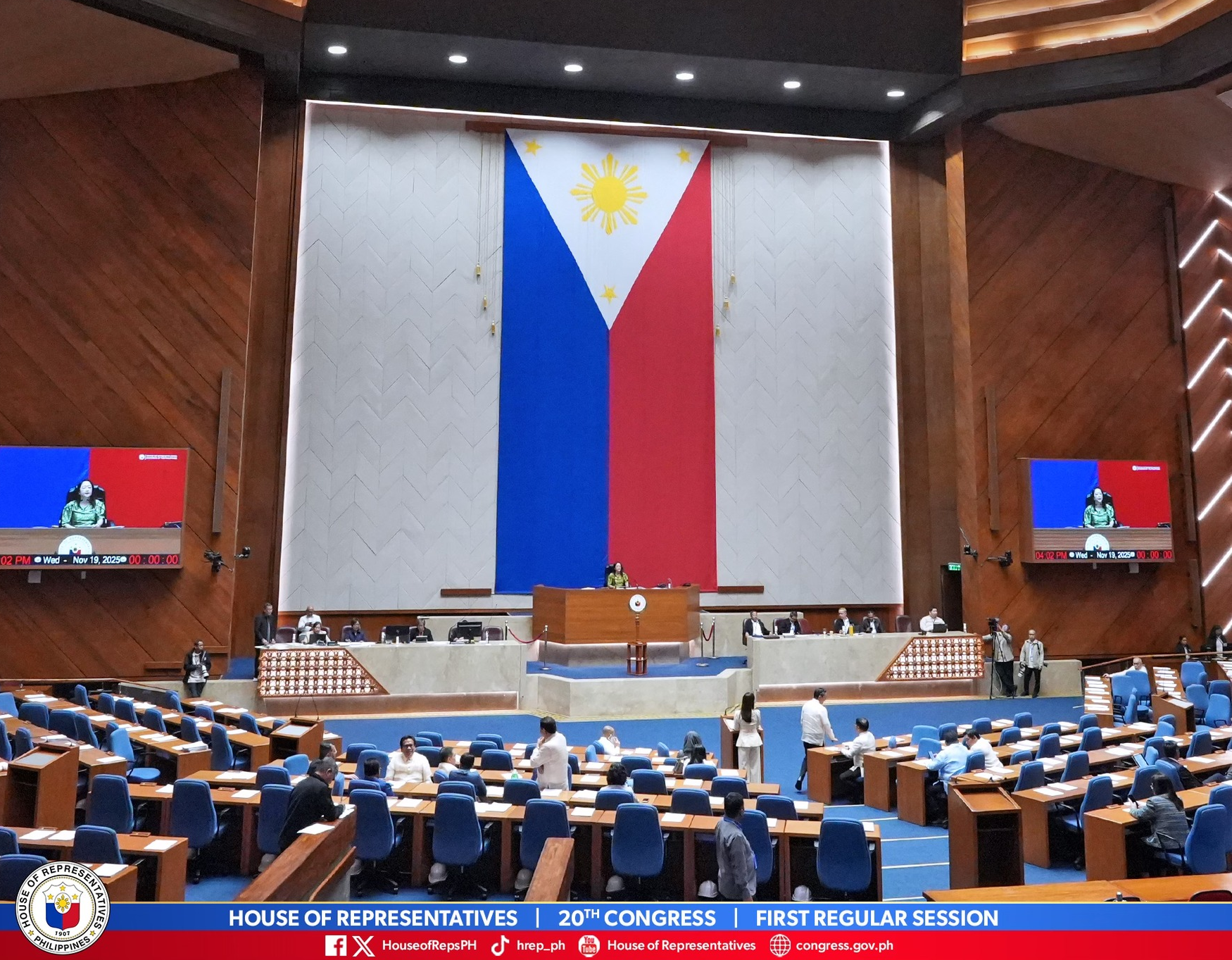
The 2026 national budget deliberations reveal an uncomfortable truth: the House of Representatives learned nothing from the scandalous budget insertions that marred the 2025 General Appropriations Act.
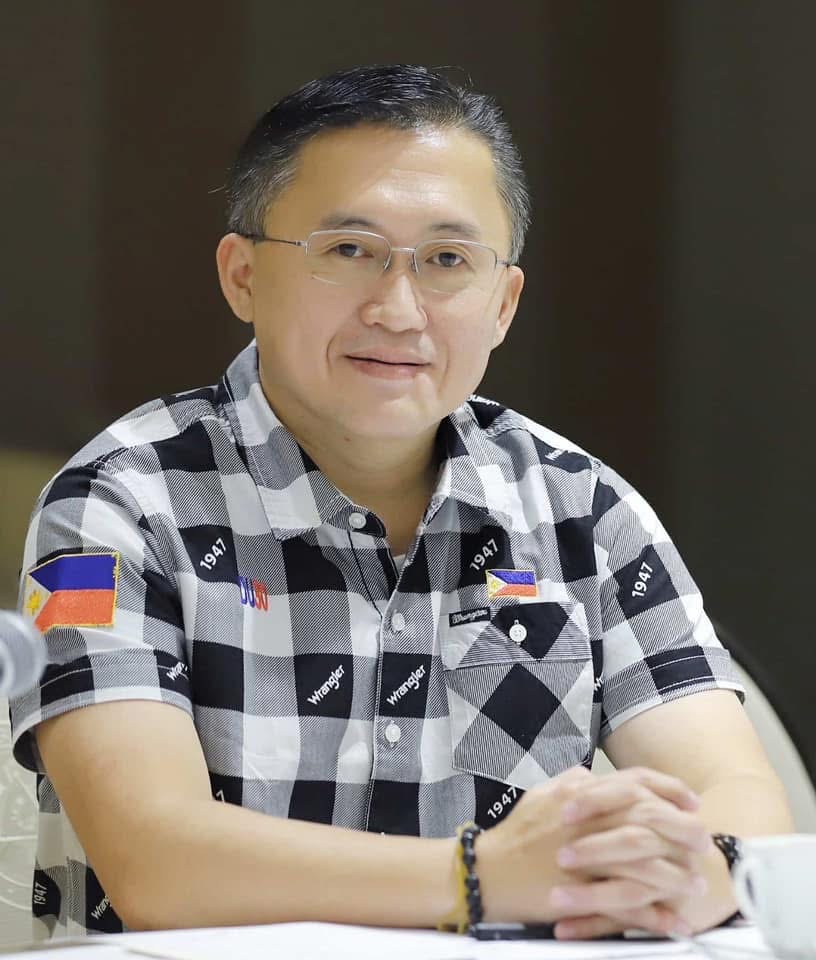
A new investigation by the Philippine Center for Investigative Journalism (PCIJ) shows that the largest Department of Public Works and Highways (DPWH) budget insertions were funneled to districts represented by the most powerful figures in the House. Leading the list is the district of newly installed House Speaker Faustino “Bojie” Dy III, whose allocation ballooned dramatically from the original National Expenditure Program after House approval.
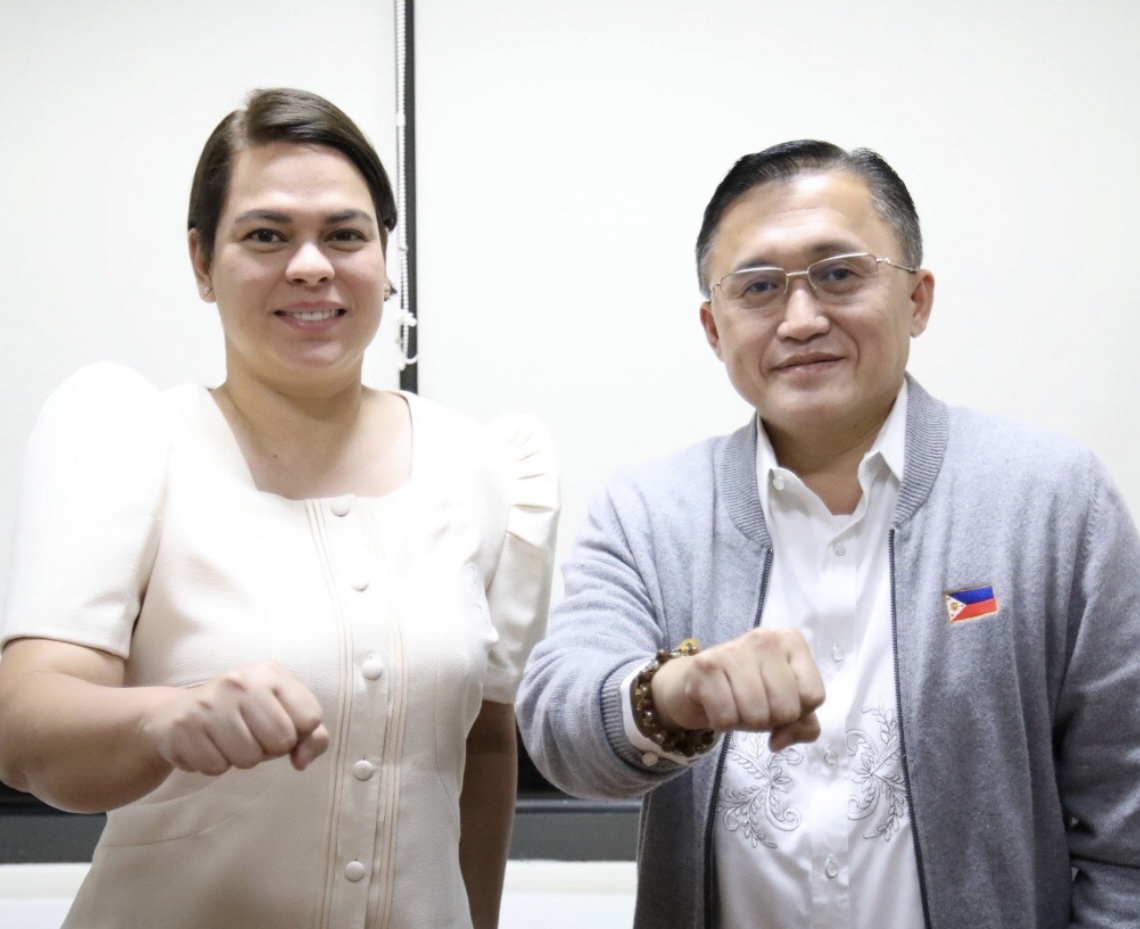
Following closely are the districts represented by Rep. Mikaela Suansing, chair of the House Appropriations Committee, and her sister Rep. Bella Suansing. The pattern is unmistakable: power and position once again dictated where billions of pesos in public funds would go.
This is no longer a question of technical adjustments or development priorities. Budget insertions of this magnitude require political consent at the highest level. When congressional leaders themselves are the primary beneficiaries, public trust collapses.
The DPWH budget has once again become a convenient channel for political favor, while transparency and accountability are sidelined. After the 2025 GAA controversy—already considered one of the gravest budget scandals in recent history—Congress had the opportunity to impose discipline and reform. Instead, it repeated the same practices with greater confidence and less restraint.
What we are witnessing is not an isolated lapse, but a systemic failure—one that treats the national budget not as a public trust, but as a tool for consolidating power.
DPWH is no longer about roads—it’s about rewarding the powerful.
Institutionalized corruption. Period.