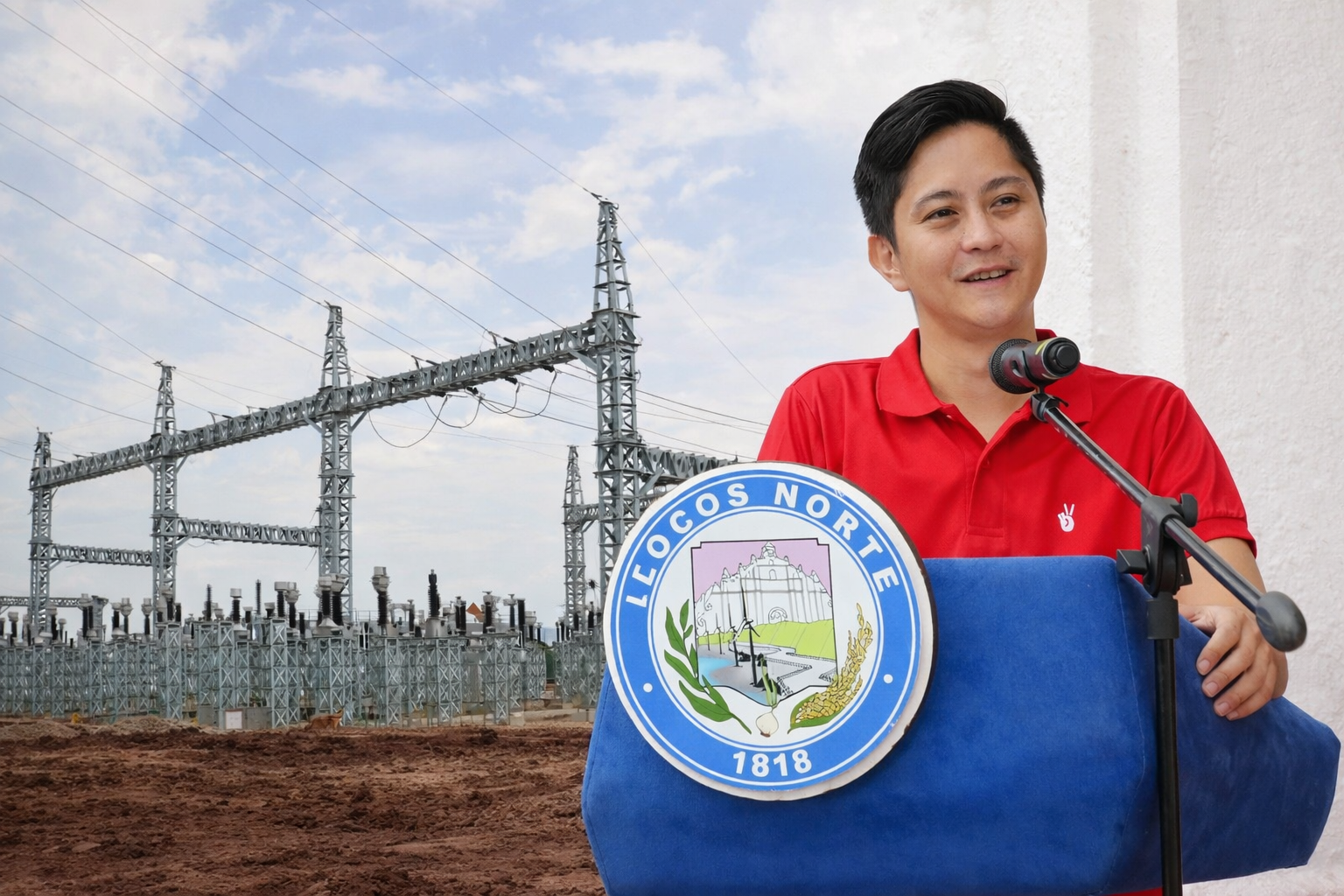
The proposal of Cong. Sandro Marcos to provide “free electricity” for low-consumption households is being presented as an act of compassion, a supposed lifeline for struggling families.
But behind the applause lines and carefully crafted headlines lies a fundamental question that must be asked:
Why is public assistance being framed as selective favor rather than a universal public duty?
Subsidies are not gifts from politicians.
They are not acts of personal generosity.
They are funded by the people—by taxpayers across all sectors of society.
From low-income earners to the middle class, and even more so to high-wage workers who shoulder a larger portion of the tax burden, every Filipino pays into the same national pot.
So why, then, is the government pushing a policy that appears to divide citizens into categories of worthiness?
If the intention is truly to help, then the assistance must be rooted in fairness, not in political branding. The moment subsidies become selective favors, they cease to be public service and start becoming instruments of political capital.
They become campaign slogans disguised as governance.
The reality is that hardship is not exclusive to one bracket. Middle-income families, often excluded from targeted subsidies, are among the most burdened—earning just enough to be disqualified from aid, yet not enough to escape the crushing weight of inflation, rising electricity rates, and relentless taxation. They are the silent majority constantly paying the price, yet rarely receiving relief.
To single out one group while ignoring the shared sacrifice of others is not justice. It is “division”.
If electricity relief is truly necessary, then it must be approached with transparency, inclusiveness, and equity—not as a headline-grabbing proposal designed to win applause. Public funds must never be used to create the illusion of benevolence from elected officials.
Let us be clear: the money for subsidies does not come from politicians’ pockets.
It comes from the people’s taxes.
Therefore, any form of assistance must never be framed as a privilege granted by power, but as a responsibility owed by government.
Because in a democracy, subsidies should not serve political ambition. They should serve the public good—without favoritism, without division, and without theatrics.
“Kung subsidiya ang pinag-uusapan, dapat ito ay patas at walang pinipiling sektor, dahil lahat ng Pilipino ang nagbabayad para dito. Hindi dapat ginagawang campaign material ang serbisyong dapat pantay na ipinagkakaloob.”