
Early yesterday, a group of farmers from one of the towns in my province came to my farmhouse to share their woes as they face astronomical increase in fuel prices.
“Indi na gid ma-agwanta Sir. Basi mauntat lang anay kami,” said the officers of the farmers group with a total cultivation area of 600 hectares previously planted to Rice.
(We couldn’t bear it anymore Sir. We may just stop farming.)
Their problem was immediately addressed when I presented to them the proposal to shift to Sorghum and Soybeans farming using the Zero-Tillage System.
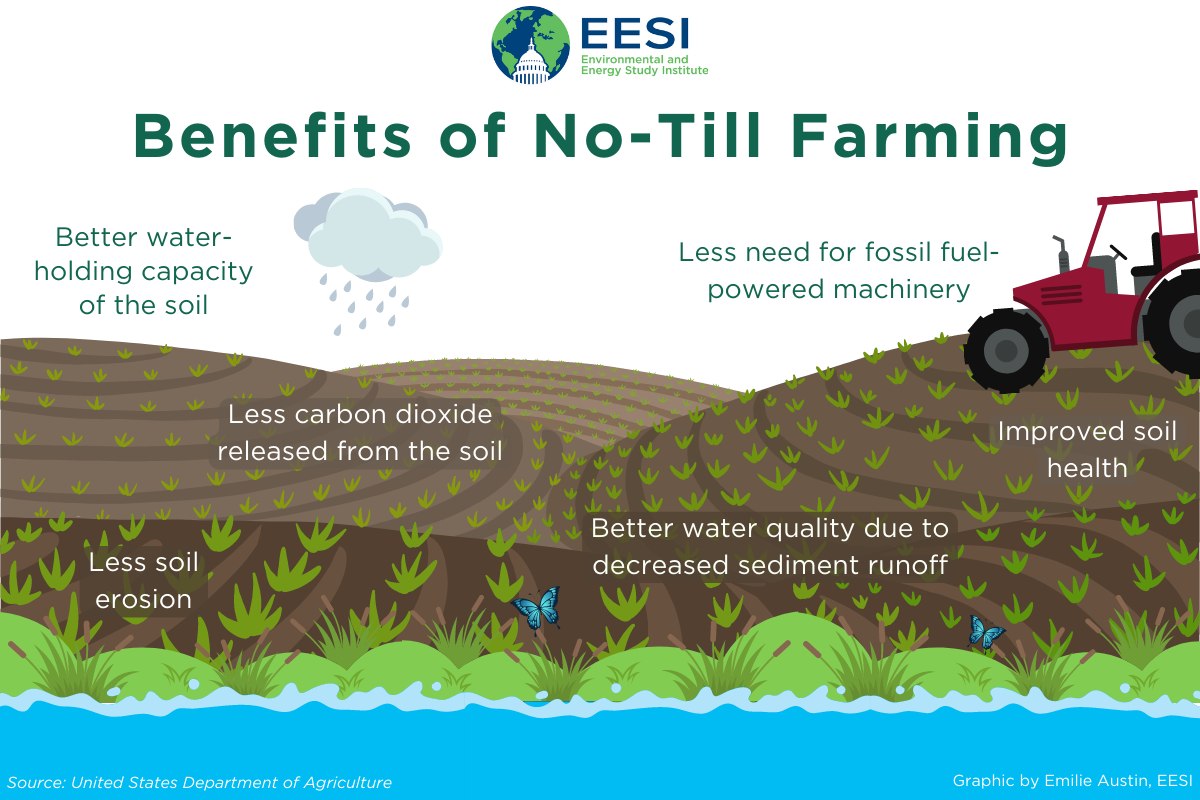
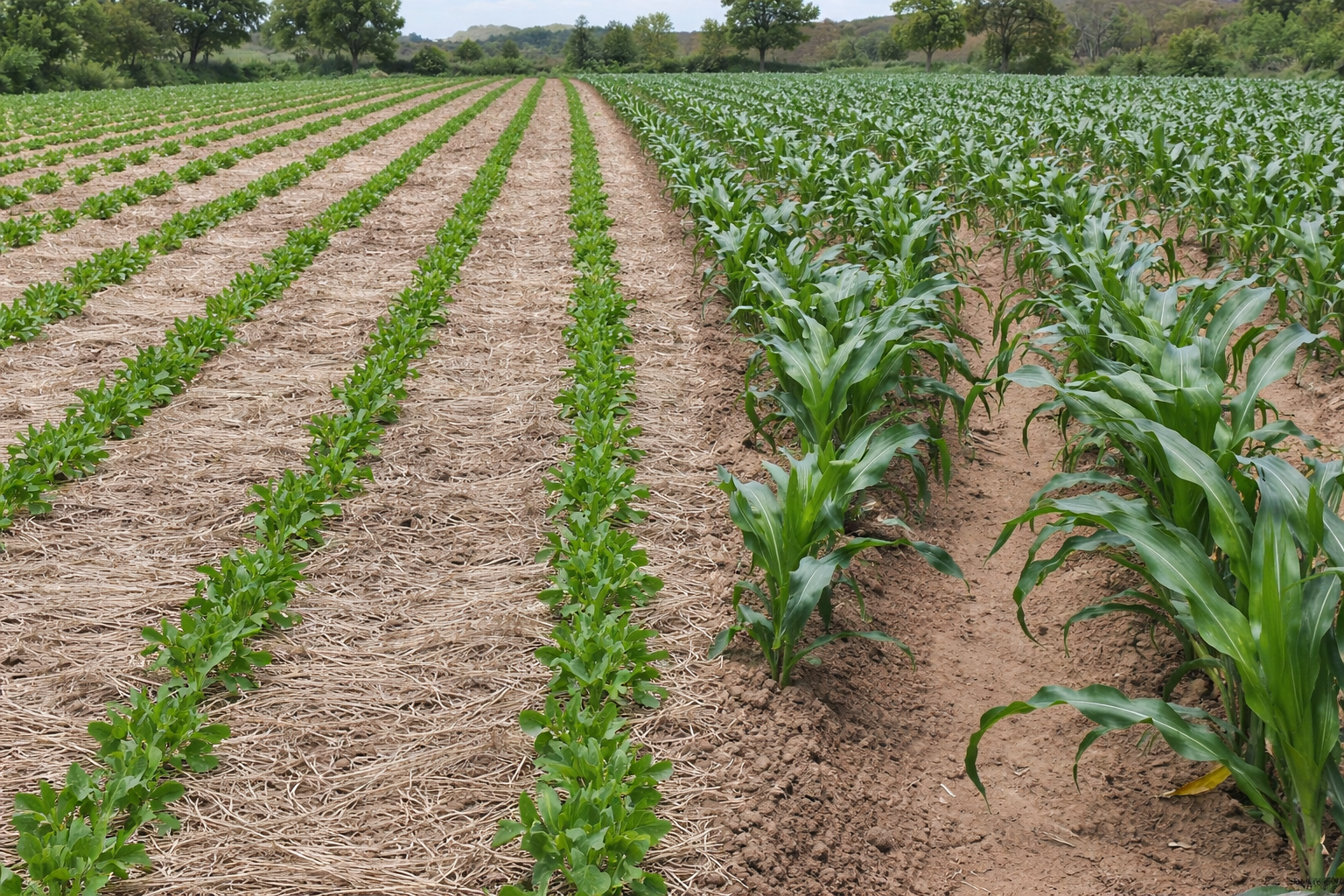
Zero-Tillage Farming, often termed “Tudak,” is a sustainable and cost-effective method of farming where crops like Corn, Sorghum and Soybeans are planted directly without plowing, preserving soil structure and reducing labor cost and fuel expenses.
This approach focuses on utilizing traditional, low-cost techniques that eliminate land preparation expenses, including the use of tractors, and promote climate-resilient agriculture.
Zero-Tillage farming had long been practiced by traditional farmers, especially in hilly and steep areas where tractors could not be used
In the tribal areas, farmers use stakes to punch small holes in the soil to drop the seeds.
In the lowlands, Zero-Tillage Farming advocates simply use the Carabao and plow in creating furrows to be able to plant.
To address the problem of weeds, farmers use herbicide or mulch.
This method reduces erosion and retains moisture while eliminating expensive plowing and harrowing.
What makes Sorghum and Soybeans Farming more beneficial to the farmers is the assurance of a ready market with a guaranteed buying price.
After explaining to the farmers the Zero-Tillage System and Sorghum and Soybeans Farming, it was agreed that on Monday, we will hold an Orientation Forum for the group’s members.
After that, planting of Sorghum and Soybeans will commence.