Photo courtesy: PTV
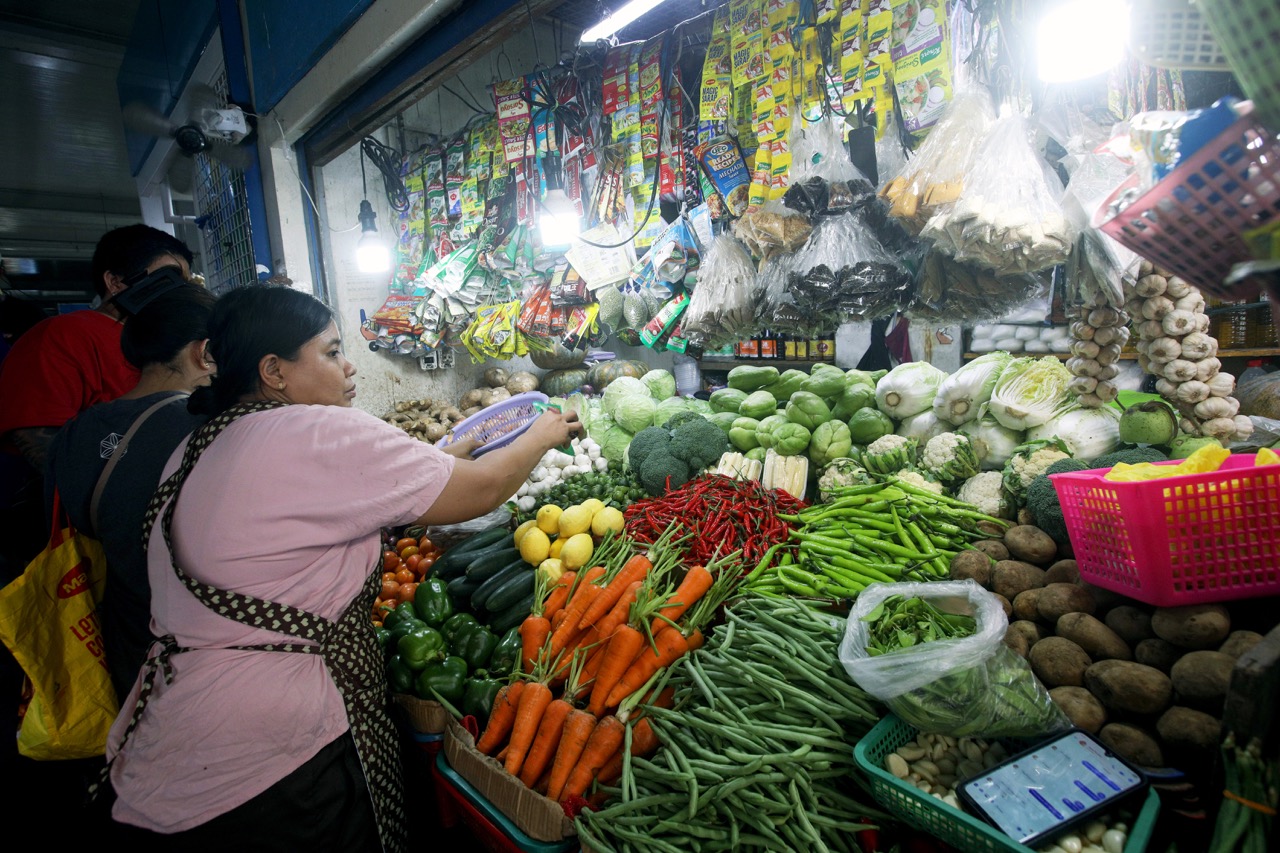
Inflation has climbed to 4.1% last Month—its highest level so far—and the trajectory suggests it may rise even further in the coming months. This is not merely a statistic; it is a direct and painful reality for millions of Filipinos who are now forced to stretch already limited incomes just to survive.
At the center of this crisis is a volatile global environment. The ongoing conflict in the Middle East continues to drive oil prices upward, placing immense pressure on fuel-importing countries like the Philippines. As fuel prices increase, the impact cascades across the entire economy—transport costs surge, food prices rise, electricity becomes more expensive, and the burden ultimately falls on the ordinary citizen.
Yet what is most alarming is not the crisis itself—but the response to it.
At a time when decisive economic leadership is most needed, the national conversation has been dominated by political noise:
“impeachment talks, partisan conflicts, and public displays of political grandstanding. Instead of urgent legislative action to cushion the impact of rising fuel costs and protect vulnerable sectors, what the public sees is a government seemingly distracted by internal power struggles”.
This is a dangerous misalignment of priorities.
Economic warning signs are already emerging. Businesses heavily dependent on fuel are beginning to feel the strain, with some facing the possibility of temporary closure.
Employment stability is increasingly at risk as operational costs rise.
Overseas Filipino Workers—long a pillar of the economy—may soon be forced to return home due to global instability, only to face a domestic labor market that may not be prepared to absorb them.
These are not distant possibilities—they are imminent risks.
What is needed now is not rhetoric, but action. Strategic interventions to stabilize fuel costs, targeted support for vulnerable industries, and clear, coordinated economic policies must take precedence over political maneuvering.
Leadership must rise above partisan interests and confront the realities facing the nation.
Because if inflation continues unchecked, the consequences will extend far beyond rising prices. It will erode livelihoods, weaken businesses, and deepen inequality.
Ultimately, the measure of governance is not how loudly leaders speak—but how effectively they act in times of crisis.
And today, the Filipino people are watching—not for words, but for solutions.■