
“Kung mag-aalaga ka ng baka, tupa o kambing na walang siguradong supply ng kumpay o pagkain, para ka lang kumuha ng bato at pinukpok sa ulo mo.”
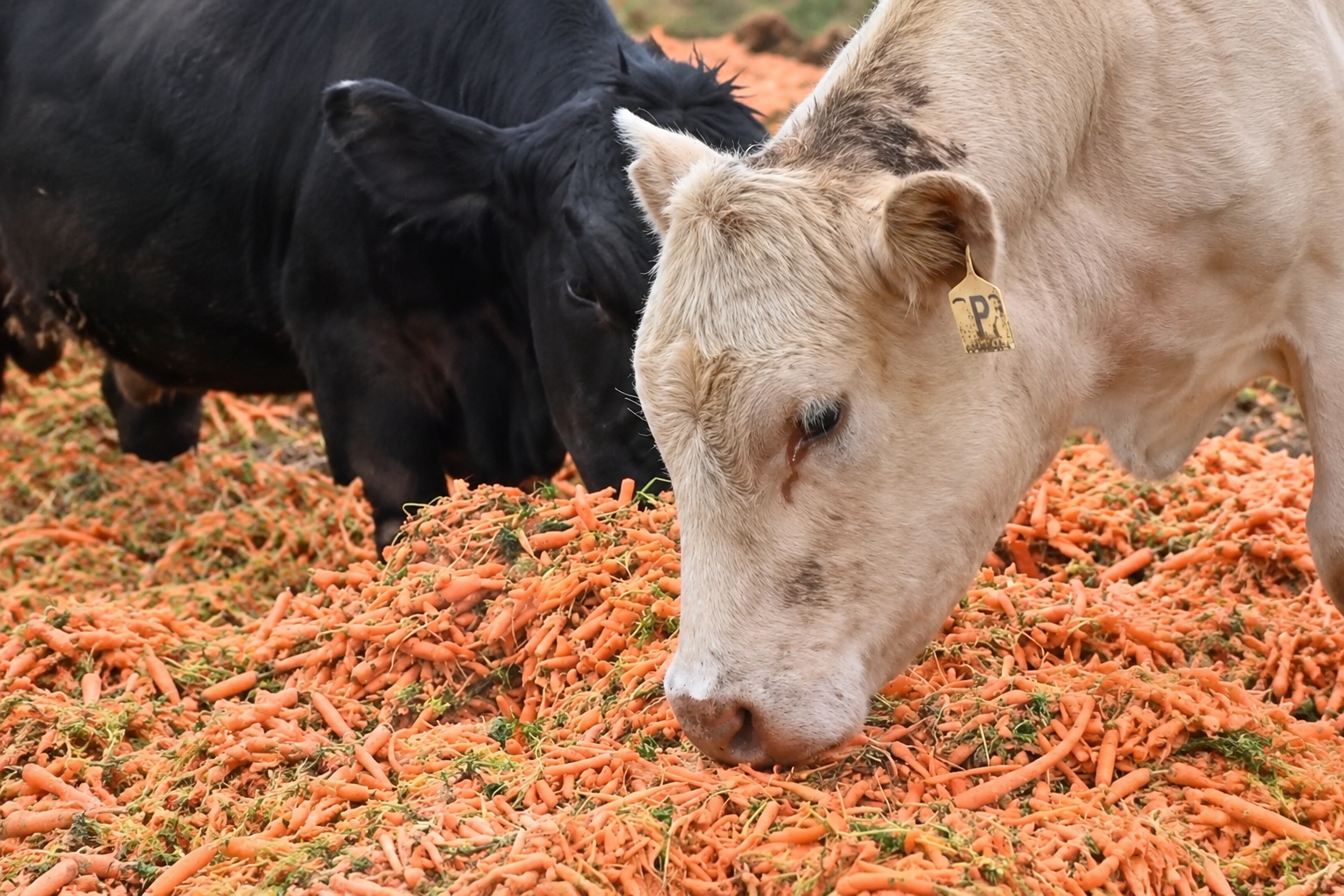
Starting a Cattle, Sheep or Goat Raising Project without first establishing the source of forage, silage or feeds is a surefire formula for disaster.
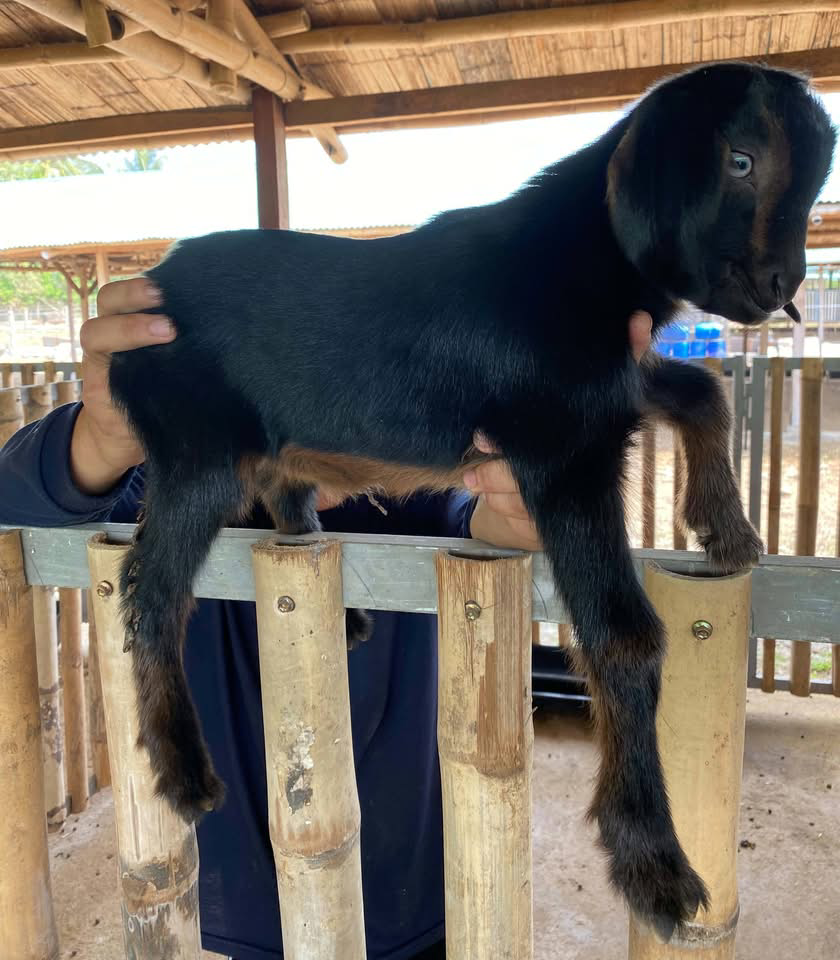
The latest report by the Commission on Audit on the death of 52 hybrid goats in Pangasinan because of lack of feeds and malnutrition is a perfect example of this.
Sadly, this mistake is repeated again and again.
The government’s Animal Dispersal Program, where government, both national and local, distributes Cattle, carabaos, goats, sheep including Dairy Cows and Buffalos, is replete with stories of failures because of the absence of a training to guide beneficiaries on how to produce feeds.
Many of the animals were either slaughtered or sold for one very simple reason – the farmers could not feed them because they were not taught how to produce feeds.
In spite of this tragic story, the failed Livestock Dispersal Program of government had been continued without correcting the basic problem – Availability of Feeds and Silage.
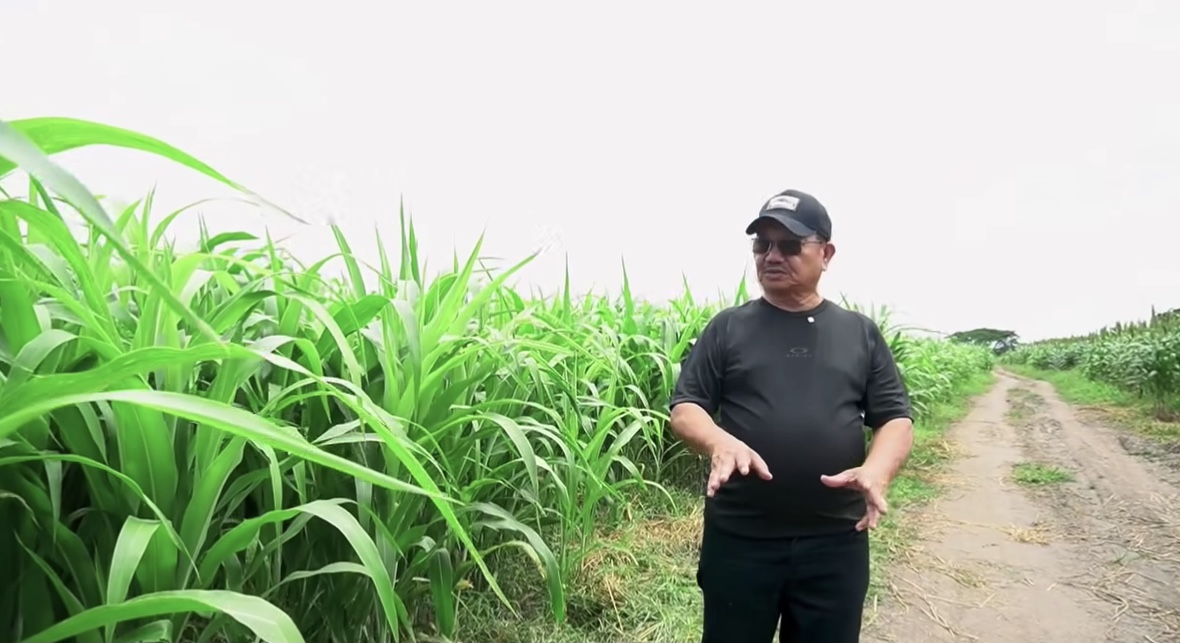
Today, as I and Outstanding OFW Arnel Corpuz lead the nationwide campaign to introduce Wagyu and Cattle Farming, the planting of Sorghum as a reliable source of Silage and Feeds is being promoted.
One hectare of Sorghum, harvested three times in one year, could supply Silage good for 20 heads of Cattle or 200 heads of goats for one year.
Kept in drums, silage bags or stored in bunkers, the Sorghum Silage ensures adequate feeds for Cattle and Goats for months, even years.
Sorghum farming for Silage and Grains Production should be a requirement before distributing Cattle or Goats to individual farmers or cooperatives.
Failing to do this will result in the replay of the recent tragedy which befell on the Goat Breeding Project in Pangasinan.