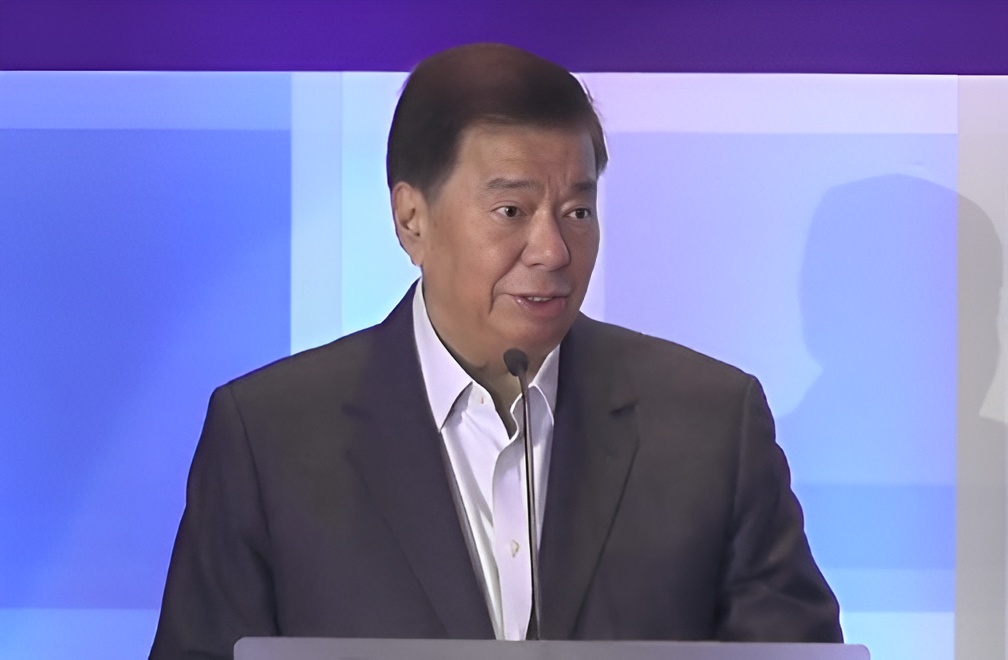

Former Senator Franklin Drilon pointed out a troubling and unprecedented development in the country’s budget process: a sitting President openly siding with one chamber of Congress during budget deliberations.
The President’s statement favoring the restoration of the ₱45-billion cut from the DPWH budget goes beyond concern or preference. It constitutes direct intervention in a process that relies on institutional independence and balance.
“I may be wrong,” Drilon said, “but I have not heard of any President before who intervened in favor of one side during budget deliberations.”
Such intervention is not a sign of decisive leadership. Rather, it reflects a President coming to terms with declining political influence—a leader beginning to realize he is becoming a “lame duck”.
Instead of preserving neutrality and allowing constitutional processes to run their course, the President’s move emboldens the House of Representatives to insist on restoration, knowing they now have executive backing.
This is where the danger lies.
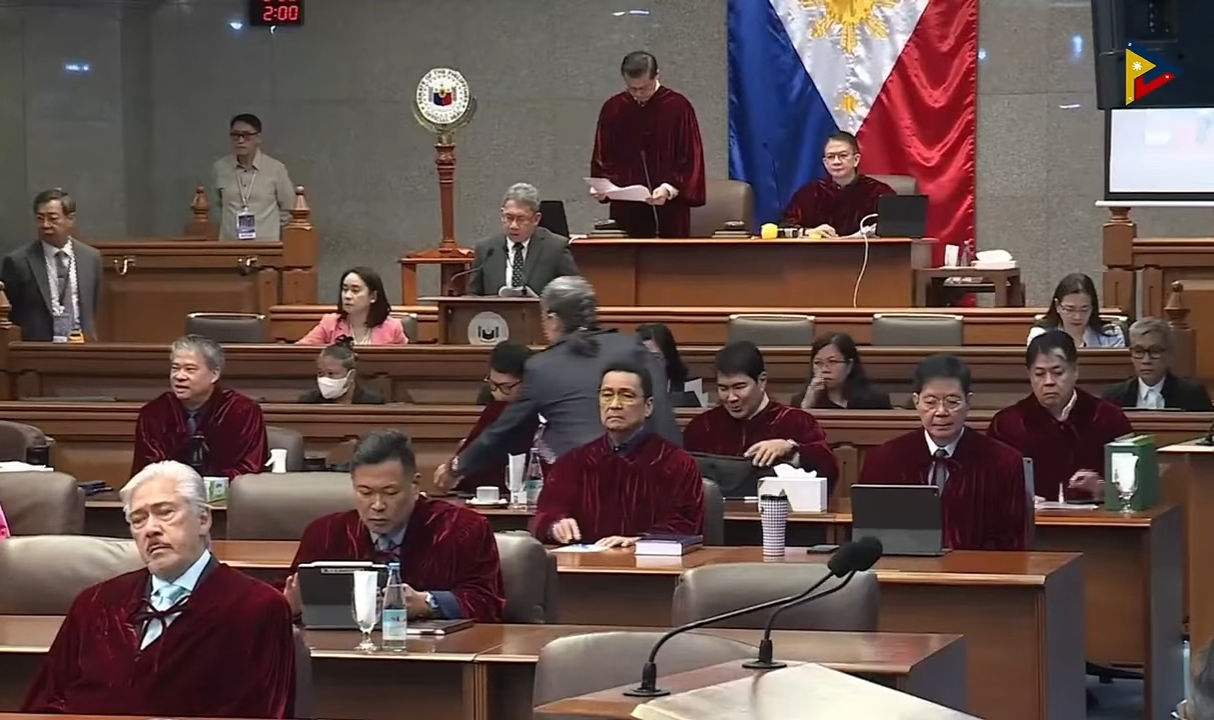
By taking sides, the President undermines the Senate’s role as a fiscal check and transforms a legitimate budget review into a power contest. The current impasse between the two chambers should have been an opportunity to cleanse the budget—to remove questionable insertions, expose self-serving allocations, and restore public confidence.
Instead, the intervention deepens institutional conflict while shielding a budget already clouded by suspicion.
Budgets are not favors extended by those in power. They are moral and political statements reflecting national priorities.
When the Executive crosses institutional boundaries to influence legislative outcomes, the casualty is not merely process—it is public trust.
And in the end, it is the Filipino people who pay the price.