- Environmental concerns raised
- Move will impact on eco-tourism
By Ivy Tejano
DAVAO CITY – The Davao City Council intends to revise the city’s Comprehensive Zoning Ordinance to tackle new development challenges, clarify existing regulations, and adapt to the city’s changing physical and socio-economic conditions.
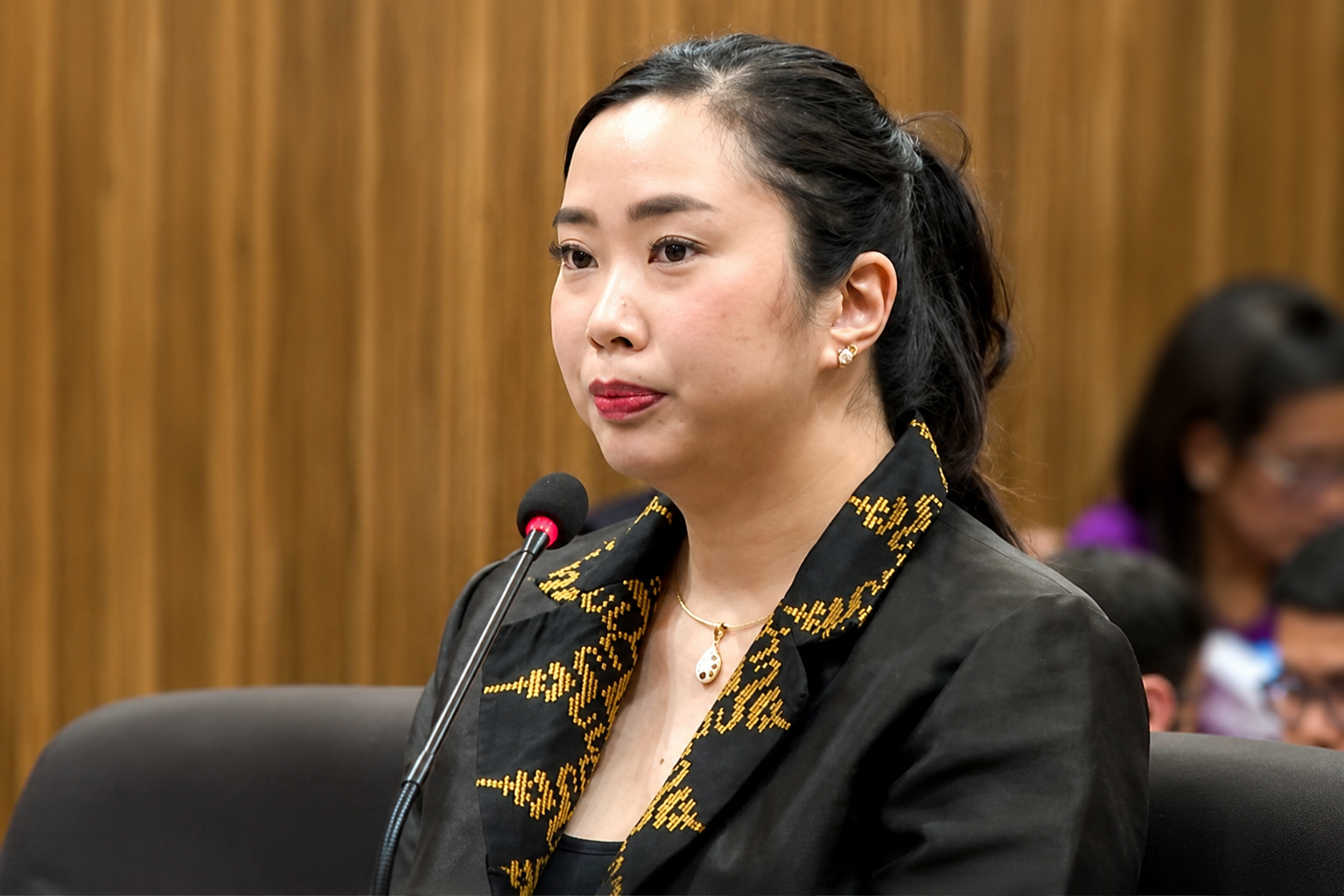
Committee on Socialized Housing Projects head Councilor Diosdado Mahipus Jr. confirmed the committee’s plan during the Pulong-Pulong sa Dabawenyos media forum on Tuesday afternoon, January 6, at Sangguniang Panlungsod.
Mahipus explained that the suggested revisions aim to address concerns raised by different sectors regarding certain zoning rules, especially those affecting development in the city’s rural areas and territories inhabited by Indigenous Peoples.
The city’s zoning ordinance was originally established to designate land use for residential, commercial, industrial, institutional, agricultural, and open space purposes. It serves as a framework for urban planning while ensuring that land use aligns with community needs.
Mahipus emphasized that the proposed changes will not alter Davao City’s official zoning map, which continues to be the primary guide for land classification. Rather, the amendments will focus on clarifying and refining regulatory provisions that may still be ambiguous.
He added that the review focuses on development in the city’s hinterlands, including areas near ancestral domains, where many upland areas are classified as protected forest lands, limiting allowable activities.
Mahipus explained that forest lands are categorized into protection forests and production forests. While protected forests are strictly conserved, he said, production forests may allow limited activities such as ecotourism.
Ecotourism in protected forest areas moreover led to better conservation and protection in many such cases worlwide. As a local example, the Eden Nature Park development in Eden, Toril, included reforestation of what was once deforested area due to logging operation in the past. The management of the now popular tourist destination planted thousands of pine trees and endemic trees especially along the dried river banks. In time the creek was revived with water coming from the revived forest cover.
“The IP sector and residents in the hinterlands want to introduce selected economic activities in certain areas,” Mahipus said. “The challenge now is how to accommodate these without compromising environmental protection.”
He said the committee is also assessing the status of existing ecotourism sites, particularly in areas such as Marilog District. He added that under the current ordinance, these developments are considered “existing but non-conforming” and are subject to phase-out provisions.
“That’s part of the process we are working on,” Mahipus said, noting that residents and IPs have pointed out that not all developed areas are hazardous and that some locations are suitable for economic activity.
Mahipus said his committee is coordinating with the City Planning and Development Office to address these concerns. He added that the CPDO will identify areas that are safe, flat, and classified as rural settlement areas.
The councilor added that the city’s zoning map is primarily based on data from the Department of Environment and Natural Resources (DENR), which some may no longer fully reflect present conditions.
Davao City Zoning Ordinance was reconstituted in 2023 to strengthen the implementation of the city’s development plans, along with the reconstitution of the Local Zoning Board of Appeals and the Local Zoning Review Committee to handle zoning-related appeals and penalties.
“Even if the zoning ordinance was approved recently, we have to recognize that the landscape and the concerns of the people continue to change,” Mahipus said, adding that amendments will not weaken regulations but ensure their relevance and applicability.
He further raised concerns over high-density developments, such as condominiums, which are now processed through the Department of Human Settlements and Urban Development instead of being scrutinized by the City Council.
“This limits the local government’s ability to check compliance with local policies and assess the impact on traffic and nearby communities. The people, through the local government, must have a say in how development is carried out,” he said.
Asked whether the proposed amendments would make the city more business-friendly, Mahipus maintained that Davao City enjoys a reputation as business-friendly. He said the perception of strictness often comes from non-compliance. “Enforcing the law is about protecting everyone.”
Councilor Danilo Dayanghirang, chairperson of the Committee on Finance, expressed support for reviewing the zoning ordinance, citing the need to assert the state’s police power, particularly in managing traffic and road development.