“It’s not your salary that makes you rich, it’s your spending and saving habits.” — Unknown

I know a lot of people who start the year with a goal to improve their financial health but find themselves in the same spot or even worse. Are you one of those? If yes and you’re set to another new year’s money resolution this 2026, consider adopting and practicing these winning money habits of the financially successful people.
Pay yourself first, consistently – even before you pay your monthly bills or buy yourself that latest gadget, pay yourself first. This means immediately allocating a portion of your income to your savings or investment account. If you can have the transfers automated, the better, in order to have consistency and avoid the temptation of spending everything and deferring savings. Regardless of the percentage or amount, whether it’s 10% or 20% of your income or P100 a month, just remember to treat savings as one of your non-negotiable expenses. Most millionaires didn’t make their wealth overnight. They made it by doing consistent monthly deposits/investments and maximizing the wonders of compound interest.
Budget and Live Below Your Means – Create your monthly budget and stick to it to ensure that your income is spent as intended and avoid unnecessary expenses. Not because your income improves, should your lifestyle too. Spend less than what you earn and not the other way around. Many rich people can afford luxuries but opt to maintain a modest lifestyle. And that’s how they become rich. Stop branding yourself and behaving beyond your means. Rich people aren’t trying to prove it.
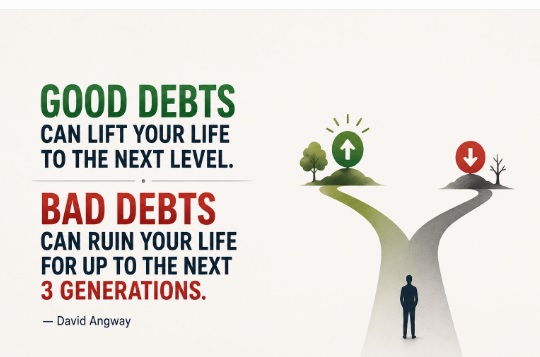
Avoid Bad Debt – One consequence of living beyond one’s means is incurring debts or loans. Stay away from high-interest consumer debt like credit cards. Since no actual money is coming out when using credit cards, there is always the tendency to overspend. If you will use credit card, make sure to spend only what you can pay in full come due date. The problem starts when you only pay the minimum amount while the bigger portion of the loan incurs interests. One ends up paying more in interest than the principal amount. Oftentimes, one is already in deep debt before realizing the consequence of their spending behavior. If you don’t have the discipline in using credit card, pay cash.
Create other income streams. – Gone are the days when having one source of income is enough. Nowadays, having a full time employment or a business is not a guarantee to financial health. We need to build multiple income streams for stability and comfortable lifestyle. The goal is when one income source stops, you don’t panic. The good news is…there are so many income generating opportunities out there that you can explore. This includes but not limited to side hustles, rental properties, dividends or consulting activities. And modern technology has allowed us to tap them, even from the comfort of our homes. My Gen Z son is gainfully employed, owns a food franchise, handles one VA account and keeps a healthy investment portfolio. As his generation puts it, having one income now is a sin.
Improve on your Financial Education. – Have you reviewed the type of materials you are reading, listening or watching? How much of these is helping you increase your know how in creating and managing your finances? Instead of scrolling for memes and other unproductive online contents, rich people spend time learning about money trends and updates. If you are glued to your social media, choose podcasts or vlogs that talk about financial matters. In this day and age, there’s no excuse to being financially illiterate.
Practice Delayed Gratification – Learn to tell yourself “not yet”. It’s not denying oneself gratification, it’s delaying it…until it’s time. Having the discipline of self-control is not easy but is crucial to making sound financial decisions. Not because it’s the trend or because others have or do it, means you need to have or do it also, even if you still do not have the means. More often than not, impulsive buying leads to post-purchase guilt, financial strain or debt. Remember the marshmallow test? Are you the kid who ate the marshmallow as it’s served or the one who patiently waited and got rewarded?
Protect What You Have – After you have built your assets, focus should be on protecting them. Make sure you build your emergency funds, buy life and medical insurance, and do estate planning to safeguard your assets from unexpected events. We have seen how a critical illness or death in the family can deplete a lifetime of savings. How an unfortunate business loss or sudden unemployment can displace you financially. Or how a man-made or natural catastrophe can wipe out everything you have built through the years. The rich and financially adept are able to avoid and maintain their wealth/assets by being prepared for it.
There is really nothing fancy or spectacular with these habits. They’re just simple and boring deeds that are done intentionally and purposely. But that’s what separate the financially healthy from the restless.