Photo Courtesy: Araw ng Davao fcebook page

Not everyone is pleased with the peace stability, livability, healthy investment climate and the resultant economic bonanza of Davao City.
Through its spokesperson the tenant in Malacanang Palace, which is supposed to echo the progress of this southern capital now ranked as one of the 10 most wealthiest city in the Philippines, boldly declared that Davao is now the worst city to live, work, invest and travel in the country.
But Malacanang tenant is not alone in scornfully downplaying the progress of Davao City. Putschist Antonio Trillanes, who once made a pilgrimage in the City to plead to be the running mate of then Mayor Rodrigo Duterte in his presidential bid, has angrily dubbed Davao as the “Most Dangerous City”.
The first came from an ingrate the other from a scorned political character who, until today holds grudges not only to the former president but to his entire family. The feeling is akin to Shakespeare’s searing metaphor: “Hell has no fury like a woman scorned”.
Duterte election as president is considered a fluke in the country’s political history as it has been a given and an inevitable destiny that the presidency is only reserved for politicians from the National Capital Region and for Luzon.
But Filipinos had enough. The electorates from Metro Manila, the main electoral battleground, heard of the man from the boondocks who fought criminal syndicates, who drives a taxi at night to hunt and confront gangs and criminal elements for his constituents to sleep soundly. The man who calmed separatist fronts and a leader who climb mountains to personally persuade insurgents to give up their cause and live normal lives with their families.
The nation, weary of leaders who didn’t have the gumption to confront the growing menace of crime syndicates, elected Davao City Mayor Rodrigo R. Duterte. And they were not wrong. The dinghy aisles in Metro Manila where once residents fear to tread have become playgrounds of children even after dusk. The drug peddlers were nowhere to be found as the syndicates and their drug laboratories were dismantled.
It was the dawning of the new era in Philippines political leadership. The traditional politicians, the coterie of communist fronts among them hated Duterte even as he had left the presidency with no fanfare.
But they were and are still scared of the leadership brand that is imbibed by Vice President Sara Duterte and the unprecedented popularity and influence of the former president. They connived and kidnapped the former president and turned him over to the International Criminal Court in the Hague, Netherlands and in consonance filled charges against VP Sara in an evil scheme to impeach and convict her to stop another Duterte from restoring the Duterte brand of leadership in the government.
Sen. Riza Honteveros, who has not hide her ambition to be in the highest totem pole of power, had developed an intense phobia against yet another Duterte becoming the next president of the country. And she is not alone. There is Trillanes who had become an irrelevant personality in Philippines politics, a Leila de Lima who claimed thousands of EJK victims were buried in Davao City and yet has to produce a single piece of evidence, a bunch of partylist representatives who are like jukeboxes that would spew out black propaganda at VP Sara at a drop, not of a coin but, of duffle bags filled with moolah as the brave Marines had confessed.
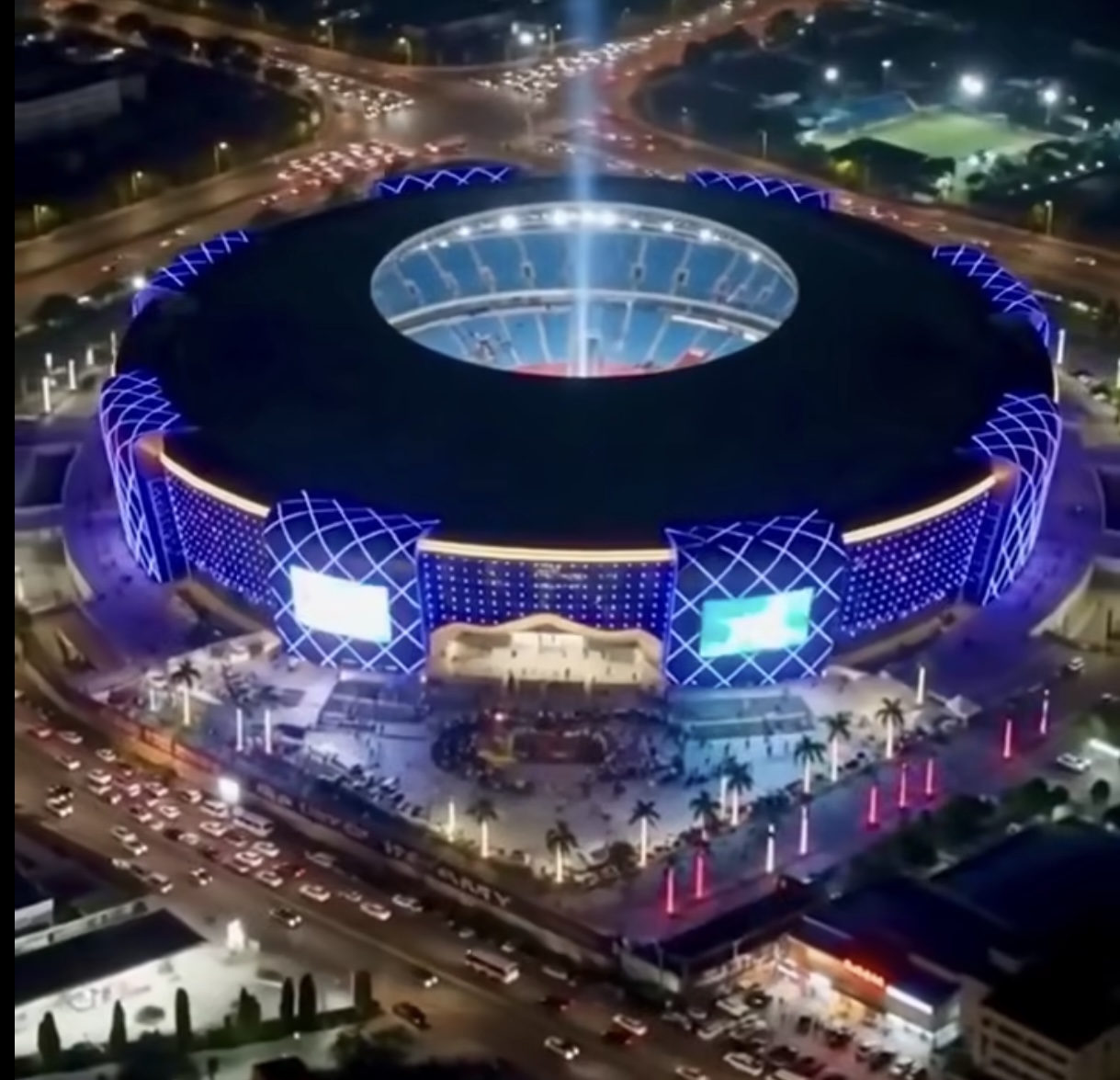
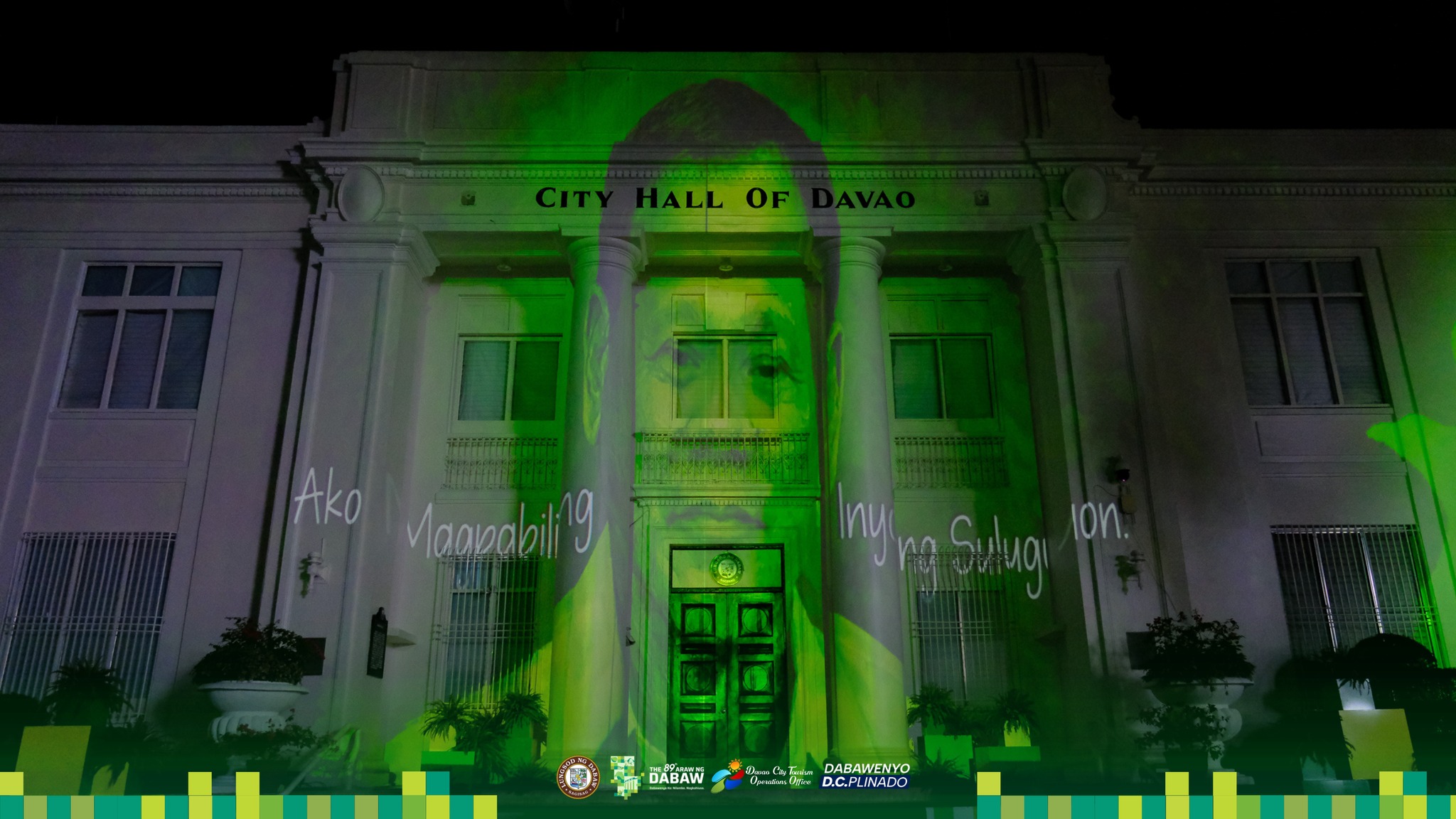
This month Dabawenyos celebrate the 89th Araw ng Dabaw. And we have reasons to be jubilant with what Davao City has become.
Based on Numbeo 2025 data, “Davao City is the 3rd safest city in Southeast Asia, with a low crime index around 28.5 and a high safety index of approximately 71.5–72.5. It is consistently rated as the safest city in the Philippines, with high safety scores for both day and night”. The Tavel Index named Davao City as the top tourist destination in the country.
These citations against the claims of Malacanang, Trillanes and the salivating congressmen who feasted on the carcass of corruption under the present administration.
The billions of pesos in fresh investments in Davao City negates Malacanang sideswipe that it is “the worst city to live, work, invest and travel in the country”. Obviously the top business entrepreneurs in the country have different assessment of Davao City than that of the numskulls in the palace by the river Pasig.