* AI and robotics in the planBy Ivy Tejano
DAVAO CITY – A Davao City official said the local government is exploring the use of artificial intelligence tools and AI-powered robots as part of its long-term plan to modernize services and improve efficiency.
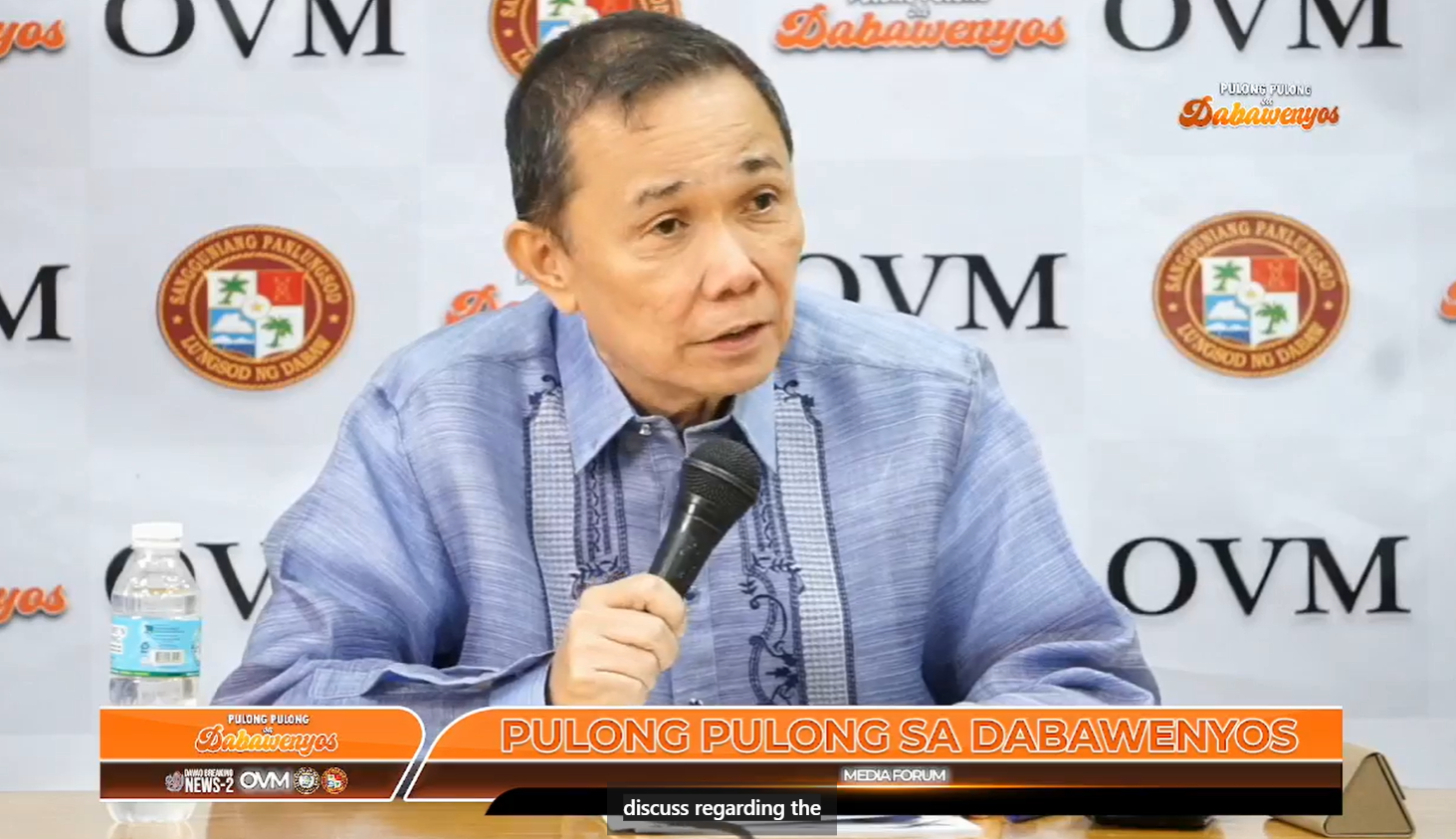
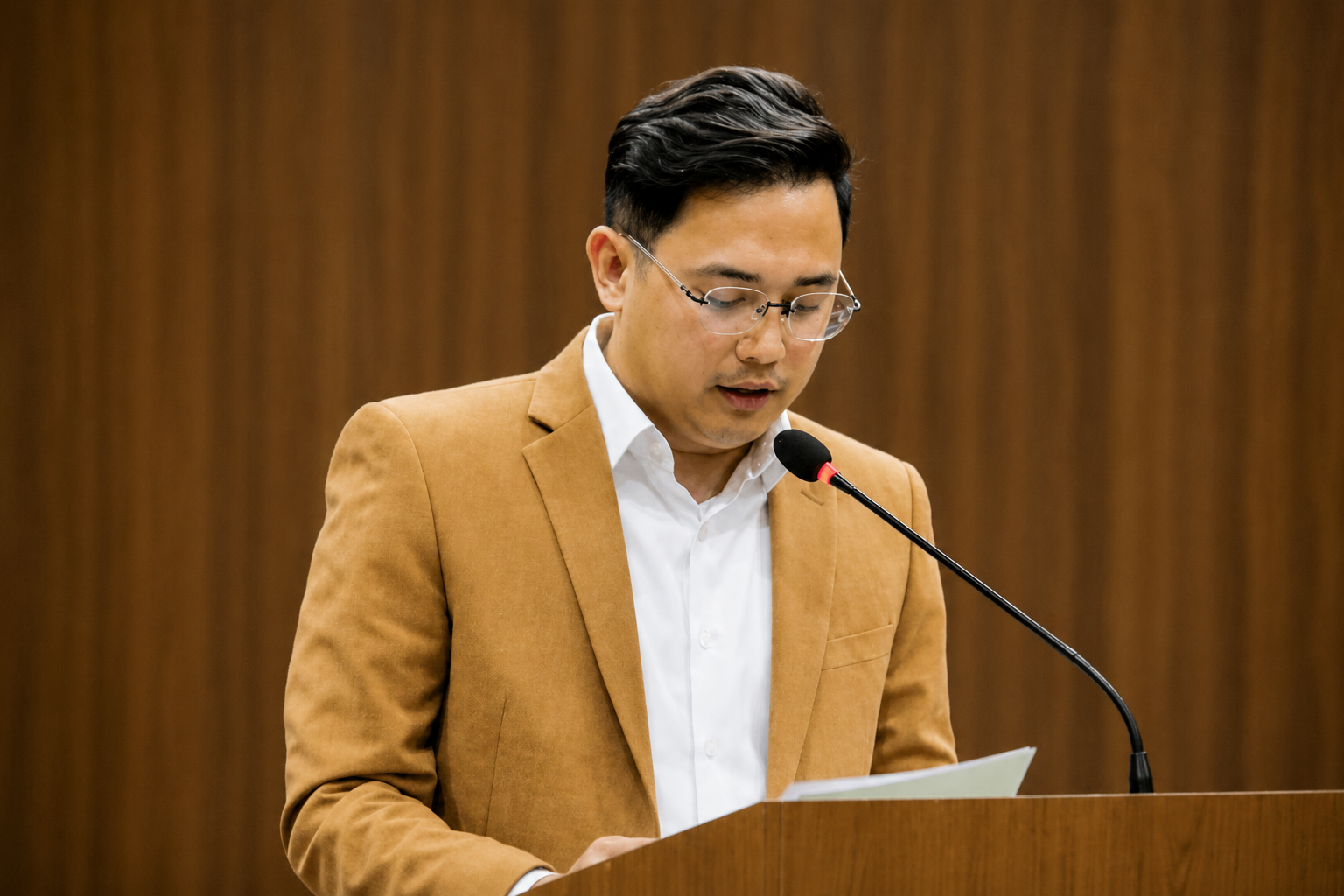
Councilor Bonz Andre Militar, chair of the City Council’s Committee on Information Technology, said during the Pulong-Pulong sa Dabawenyos media forum on June 16 that the city is open to adopting AI systems once funding is available.
Militar said AI tools and robots could help speed up office tasks, such as data checks, document preparation, and request processing, while final decisions would still be made by human staff.
He emphasized that these technologies are being considered to support government operations and not to replace employees. He added that no jobs would be removed as a result of automation.
Militar said the city is also studying the possibility of developing its own AI platform in the future, similar to ChatGPT, though this would require major funding and technical infrastructure.
The proposal also includes the potential use of AI-powered robots in public offices and spaces such as City Hall, the Sangguniang Panlungsod, and selected parks.
He added that these robots may serve as information assistants that can communicate in multiple languages and guide residents in accessing government services.
“The technology could be linked to existing security systems, including facial recognition tools, to help identify individuals on watchlists and alert authorities when needed,” Militar said.
He said mobile robots may also be deployed in areas like parks and night markets to support public safety and tourism.
The councilor said the city is likewise exploring the use of small robotic devices in disaster response operations, particularly in search-and-rescue missions where access to collapsed structures is limited.
Militar noted that the project would be funded by the city government and is still under discussion at the committee level, with an initial plan to deploy three robots at key government locations.
He emphasized that any AI system must comply with the Philippine Data Privacy Act, ensuring that data is used securely and limited to official processes. He added that safeguards and penalties would be included in the proposed policy.
Militar clarified that AI systems will not be allowed to operate independently in approving or releasing government documents, underscoring that human oversight will remain central to all operations.