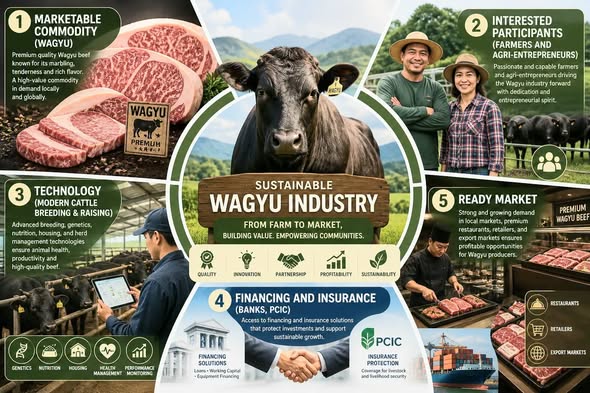

(Market Prospects of Wagyu Cattle Farming in the Philippines, Its Impact On Economic Growth, Food Security & Rural Poverty!)
For decades, the global premium beef sector has been dominated by traditional powerhouses: Japan, with its fiercely guarded purebred heritage, and Australia, with its vast commercial crossbred herds.
However, a significant geographic and structural shift is quietly unfolding in Southeast Asia. Driven by breakthroughs in tropical livestock genetics, strong public-private institutional backing, and ambitious national agricultural campaigns, the Philippines is positioning itself to evolve from a net importer of premium meats into a competitive player in the global Wagyu market.
With global demand for highly marbled, luxury beef rising across urban centers, the emerging Philippine Wagyu industry presents a compelling business frontier. By combining the supreme meat quality of Japanese genetics with the climate resilience of local herds, the archipelago is mapping out a lucrative trajectory in the high-value agricultural export market.
The Genesis of the Philippine Wagyu Expansion
The baseline for this livestock transformation is rooted in a fundamental economic reality: the high value of premium beef relative to the labor and resources required to produce it. Historically, the Philippine cattle sector has been dominated by backyard operations, with the Philippine Statistics Authority (PSA) noting that over 80% of the country’s 2.6 million head of cattle are raised by smallholder farmers. These herds traditionally yield conventional beef, leaving the lucrative luxury hospitality and fine dining sectors entirely reliant on expensive imports from Australia, New Zealand, and Japan.
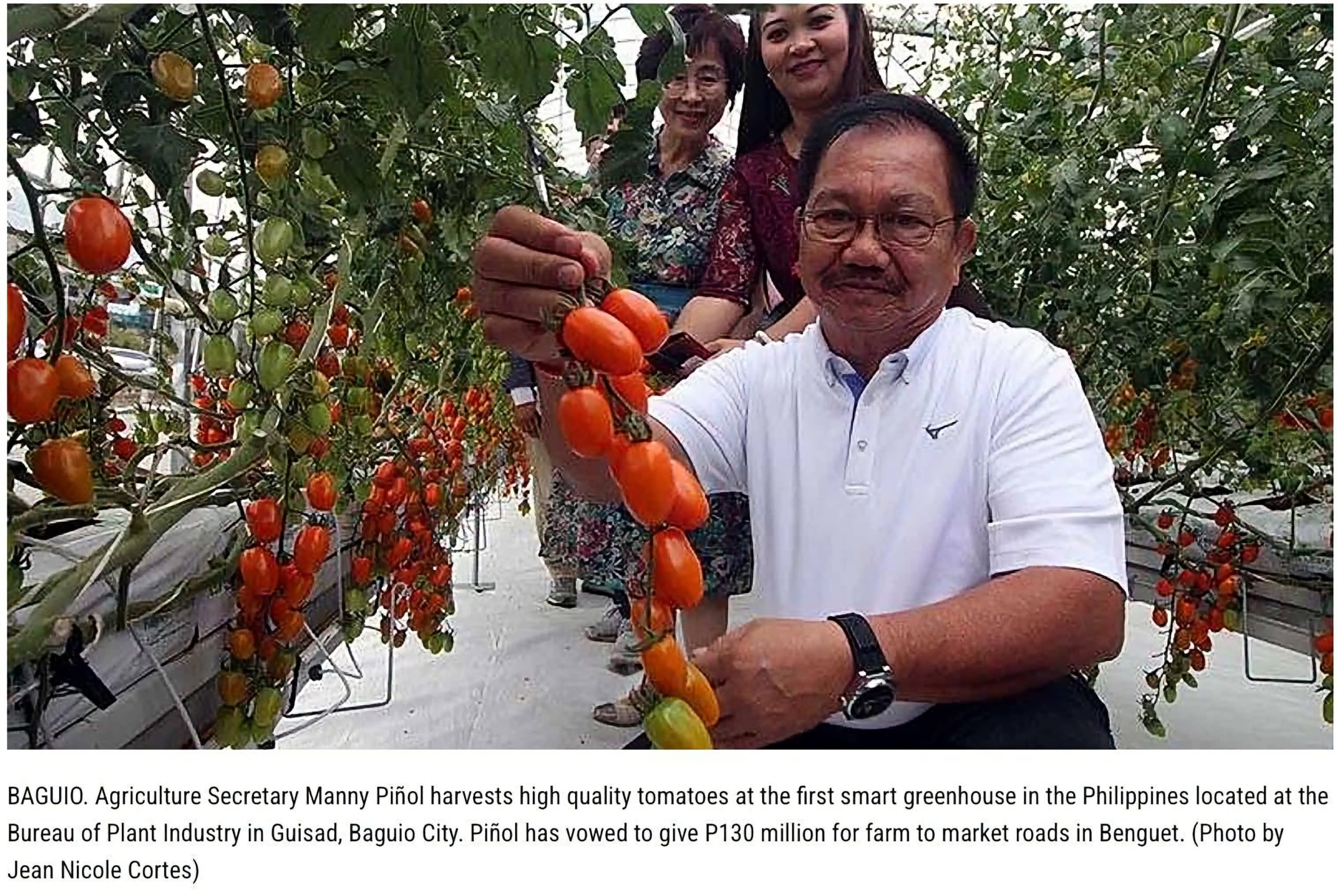
To disrupt this import dependency and tap into international wealth corridors, agricultural leaders launched the “1-M Wagyu Crusade.” spearheaded by former Agriculture Secretary Emmanuel Piñol and private-sector cattle industry stakeholders, this aggressive initiative targets an expansion to one million Wagyu-influenced cattle by 2034, with a long-term vision of scaling to 10 million heads by 2040.
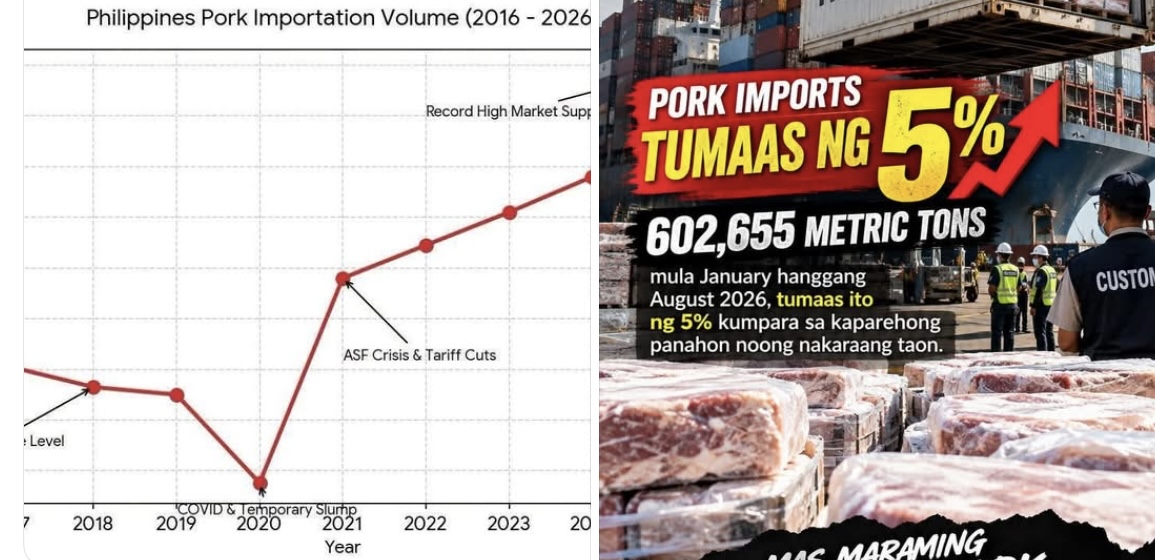
The financial projections underpinning this campaign are immense, anticipating hundreds of billions of pesos in annual beef earnings while offering rural communities a high-yielding alternative to poultry and swine, both of which face severe biosecurity challenges like Avian Influenza and African Swine Fever.
Solving the Tropical Equation: The Wagyu-Brahman Cross
The primary barrier to producing Wagyu beef in equatorial environments has always been climate. Purebred Japanese Wagyu (Kuroge Washu) evolved in temperate zones and typically struggle with the heat, humidity, and tick-borne diseases characteristic of a tropical maritime climate.
The breakthrough for the Philippine livestock sector lies in value-adding crossbreeding—specifically crossing purebred Wagyu genetics with Brahman cattle (or Droughtmaster).
[Purebred Wagyu] (Elite Marbling & Tenderness) +
[Brahman Cattle] (Heat Tolerance & Disease Resistance) =
[Wagyu-Brahman Cross] (Climate-Resilient Premium Beef)
The resulting offspring inherit the heat-tolerant skin structure, efficient foraging capabilities, and robust immune systems of the Brahman, alongside the unique genetic predisposition of Wagyu to deposit intramuscular fat rather than intermuscular fat.
Pioneering operations in South Cotabato and Davao have proven that these crossbred herds can achieve excellent marbling scores (MS4 to MS7) under strict tropical feeding regimens.
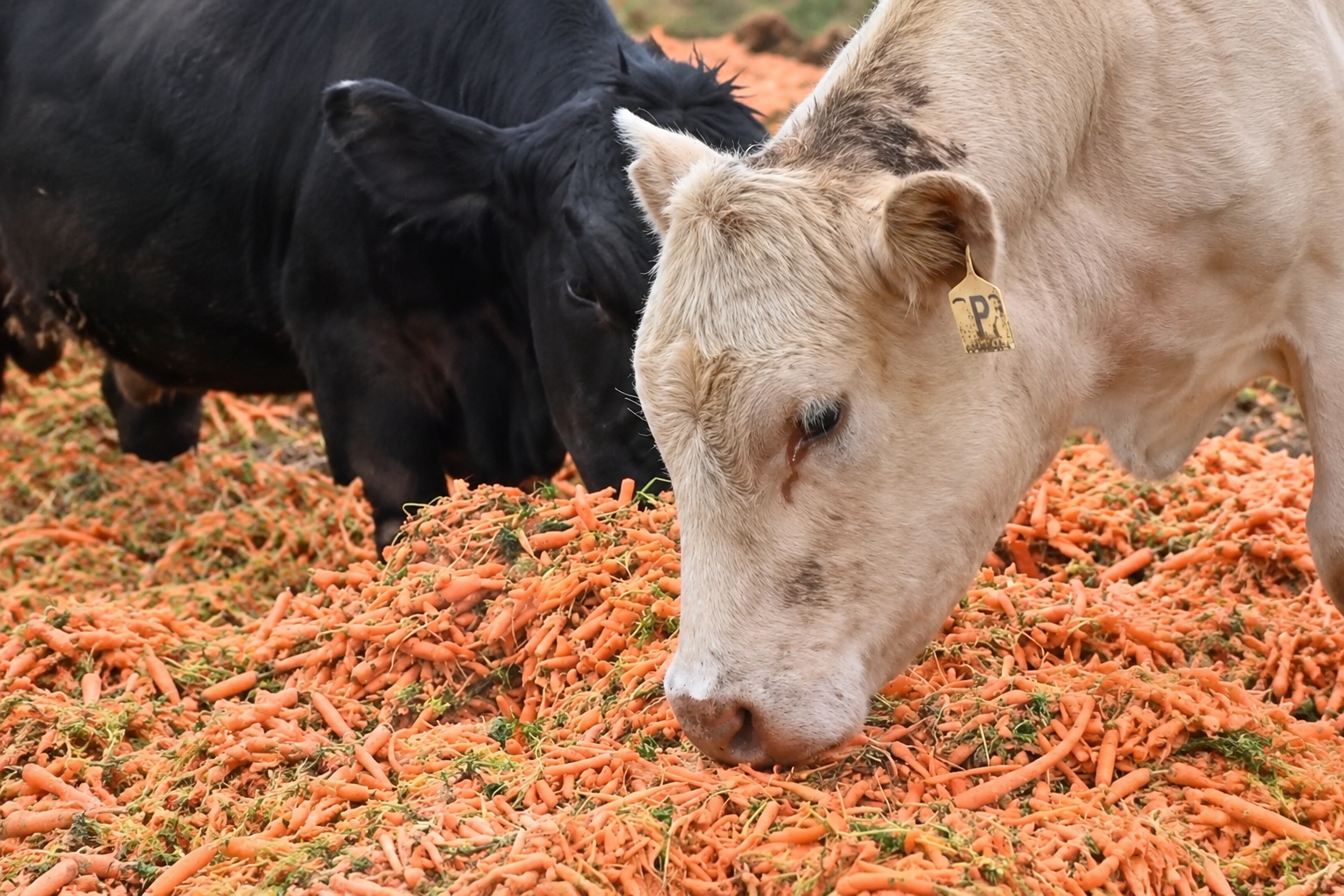
By providing cattle with intensive, locally sourced silage programs—including sorghum, corn silage, and full-fat soybeans—for up to 22 hours a day, local raisers stimulate consistent marbling development.
This adaptive methodology allows premium beef to be produced at a fraction of the land and environmental cost required in colder climates, establishing a highly competitive price-to-quality ratio for the international market.
Mapping the Regional Footprint
The geographical distribution of Wagyu farming in the Philippines reflects a coordinated regional effort designed to exploit localized agricultural strengths:
- Central Visayas (Cebu)
Cebu Province, which commands the largest cattle inventory in the Central Visayas, has rapidly adopted the National Artificial Insemination (AI) Program. By deploying liquid nitrogen-preserved Wagyu semen across municipal veterinary offices, the province is systematically upgrading its existing Brahman-heavy herds into high-value Wagyu hybrids, creating an immediate economic lift for local smallholders.
- Northern Luzon (Ilocos Norte)
In municipalities like Piddig, consolidated farming models have integrated Wagyu breeding directly into cooperative networks. Smallholder farmers are provided with free AI services, veterinary inputs, and guaranteed buy-back mechanisms through consolidated farmer cooperatives. This mitigates the market entry risk for smallholders while securing a steady supply of weaned calves for commercial feedlots.
- Mindanao (The Halal Frontier)
Vast, fertile land tracts in Maguindanao del Sur and South Cotabato are being converted into integrated crop-and-livestock zones. In these areas, the cultivation of sorghum and soybeans serves a dual purpose: providing high-protein animal feed and establishing dedicated Halal Wagyu production zones. This strategic focus is designed explicitly to target high-net-worth consumption regions in the global market.
Institutional and Financial Backing
A multi-billion dollar livestock industry cannot survive on grassroots enthusiasm alone; it requires deep financial architecture. The viability of the Philippine Wagyu sector has been significantly validated by substantial institutional commitments from the country’s leading financial and insurance bodies.
Major financial institutions—including the Land Bank of the Philippines (LBP), the Development Bank of the Philippines (DBP), Bank of the Philippine Islands (BPI), and the Bank of Makati—have structured dedicated credit facilities tailored to commercial cattle production. Because the industry operates on a supervised “mother organization” model—where backyard and semi-commercial farmers are tethered to large enterprise integrators with guaranteed off-take contracts—financial risks are heavily mitigated.
Furthermore, the Philippine Crop Insurance Corporation (PCIC) has extended comprehensive government-backed insurance coverage to high-value Wagyu cattle. This ensures that investors and smallholders are protected against livestock mortality from disease or natural disasters, transforming cattle farming into a highly bankable, structured asset class.
World Market Prospects and Export Horizons
The global appetite for luxury beef is expanding, fueled by a growing upper-middle class across emerging markets and sustained demand in fine dining capitals. The world market prospects for Philippine-raised Wagyu rest on three distinct competitive pillars:
Import Substitution as a Springboard
Before competing effectively on the world stage, the Philippines is utilizing its domestic market as a proving ground. The country historically imports over 200 million kilograms of beef annually. By supplying local luxury hotels, high-end supermarkets, and the expanding culinary tourism industry with locally raised Wagyu-Brahman beef (commanding prices between ₱1,500 to ₱3,500 per kilo), producers can achieve scale, optimize logistics, and stabilize supply chains.
Proximity to the ASEAN Luxury Corridors
Geographically, the Philippines sits on the doorstep of major Asian economic centers. Shipping fresh or chilled premium beef from Mindanao or Luzon to Singapore, Hong Kong, Taipei, and Jakarta offers massive logistical advantages over long-haul routes from Australia or South America. Shorter transit times equate to lower carbon footprints and fresher product delivery, highly attractive traits for premium international distributors.
Capturing the Global Halal Premium Market
The intentional development of Halal-certified Wagyu herds in Mindanao opens up a direct pipeline to the Middle East (GCC region) and Muslim-majority neighbors like Malaysia and Indonesia. The global Halal food market is expanding rapidly, yet the intersection of strict Halal compliance with elite, luxury-tier beef products remains an underserved niche. Philippine Halal Wagyu can command immense premiums in these high-purchasing-power markets.
Conclusion: The Path Forward
The global market prospects for Wagyu cattle farming in the Philippines represent a paradigm shift in tropical agriculture. Through the precise calibration of genetics, aggressive national scaling initiatives like the 1-M Wagyu Crusade, and robust cross-sector financial support, the country is actively converting an underutilized livestock sector into a high-yield economic engine.
While challenges remain in standardizing feedlot quality across fragmented geographies and achieving international export accreditations, the foundational infrastructure is firmly in place. As local producers refine the art of the tropical Wagyu-Brahman cross, the Philippines is well on its way to proving that luxury beef production is no longer confined to temperate borders, carving out a lucrative, permanent space in the global premium meat trade.
(Note: This post was composed by Gemini AI which, on prompt, collated items from various media platforms-MP)