By Ivy Tejano
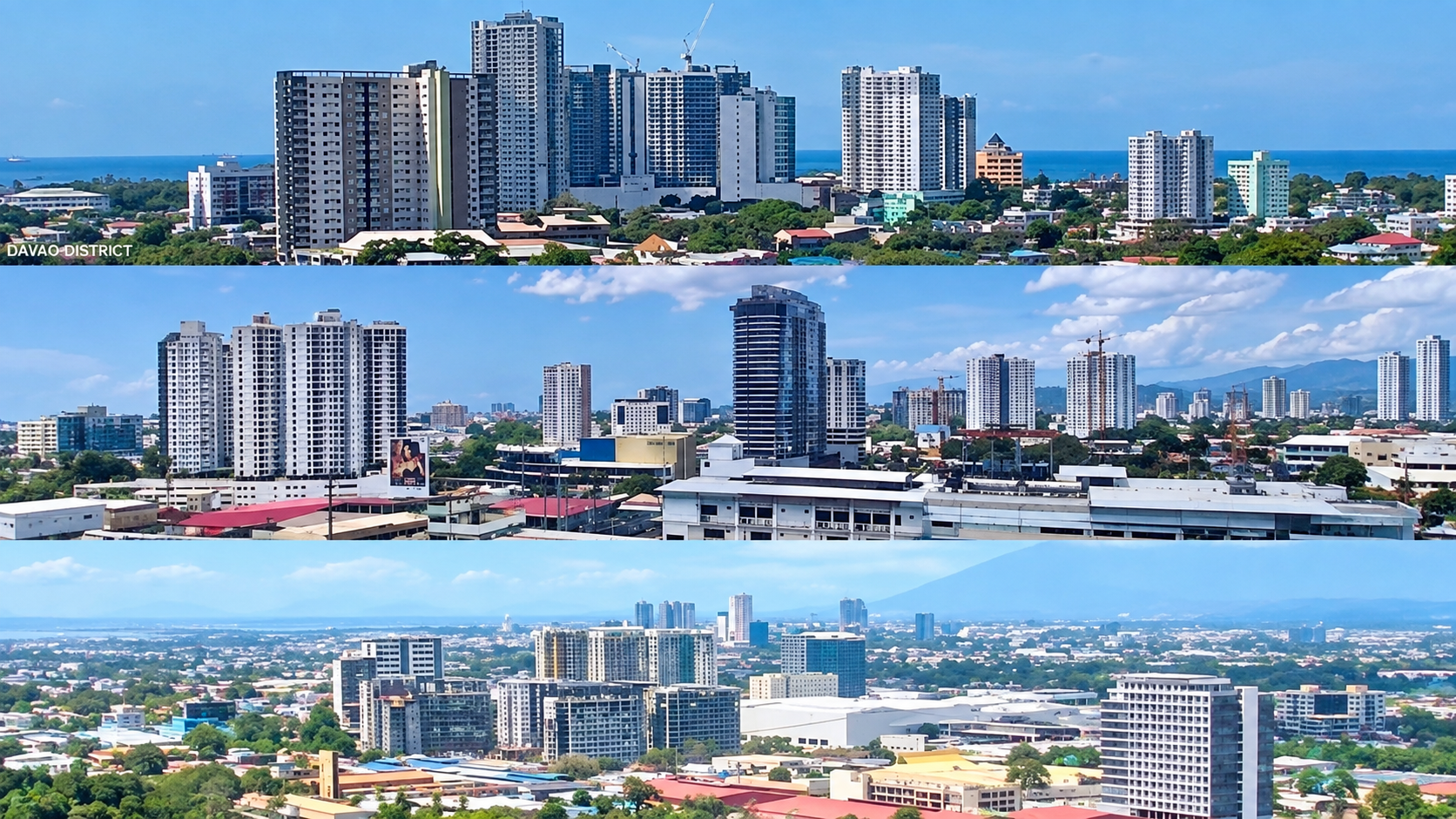
DAVAO CITY – Davao City surged 49 places to rank 470th among the world’s 1,000 largest urban centers in the 2026 Oxford Economics Global Cities Index, overtaking Cebu City to secure the third-highest position nationally.
According to Oxford’s assessment, the climb represents a significant improvement over the city’s 2025 standing, in which it ranked 519th globally and 5th in the country.
The strong upward movement was primarily driven by the city’s environmental metrics, which posted a category-high score of 71.6, placing it 299th globally.
Overall, Davao City recorded a composite score of 42.6, backed by sub-scores of 41.3 in economics, 40.1 in human capital, 48.3 in quality of life, 71.6 in environment, and 52.9 in governance.
Nationally, Manila ranked 174th globally among Philippine cities, followed by Angeles City at 388th.
Davao City’s 470th placement edged out Cebu City, which dropped to fourth place nationally at 474th globally, while Bacolod ranked fifth in the country at 504th.
The recent ranking debunks Korina Sanchez Roxas condescending description of Davao City as “napag-iwanan ng panahon” meaning “left behind by the times.
The annual evaluation by independent advisory firm Oxford Economics assesses urban performance across five dimensions, delivering a forward-looking, data-driven analysis of relative strengths and future potential that goes beyond simple economic output.
In its latest assessment, the firm identified Davao City as an “Emerging Standout”—a designation given to developing-world cities outperforming national growth trends through productivity gains and rising income levels.
The Davao City Government credited the improved ranking to its ongoing development initiatives that balance economic progress with environmental preservation and community well-being.
Oxford Economics determines a city’s total score out of 100 by combining five weighted pillars: Economics (30%), Human Capital (25%), Quality of Life (25%), Environment (10%), and Governance (10%).
These categories measure factors like economic output, workforce talent, livability, sustainability, and legal institutions to offer a complete, forward-looking analysis of a city’s potential beyond basic financial size.