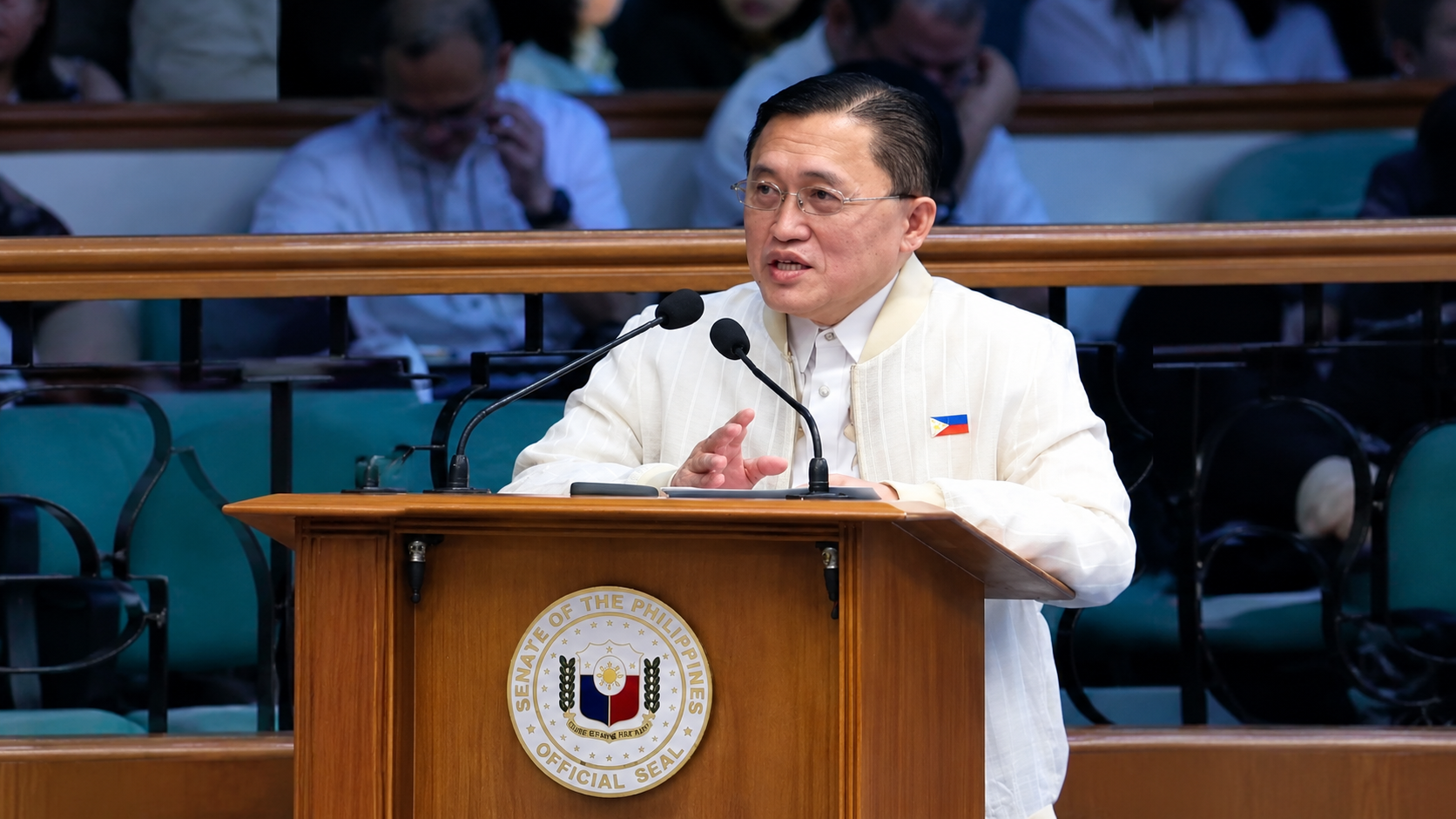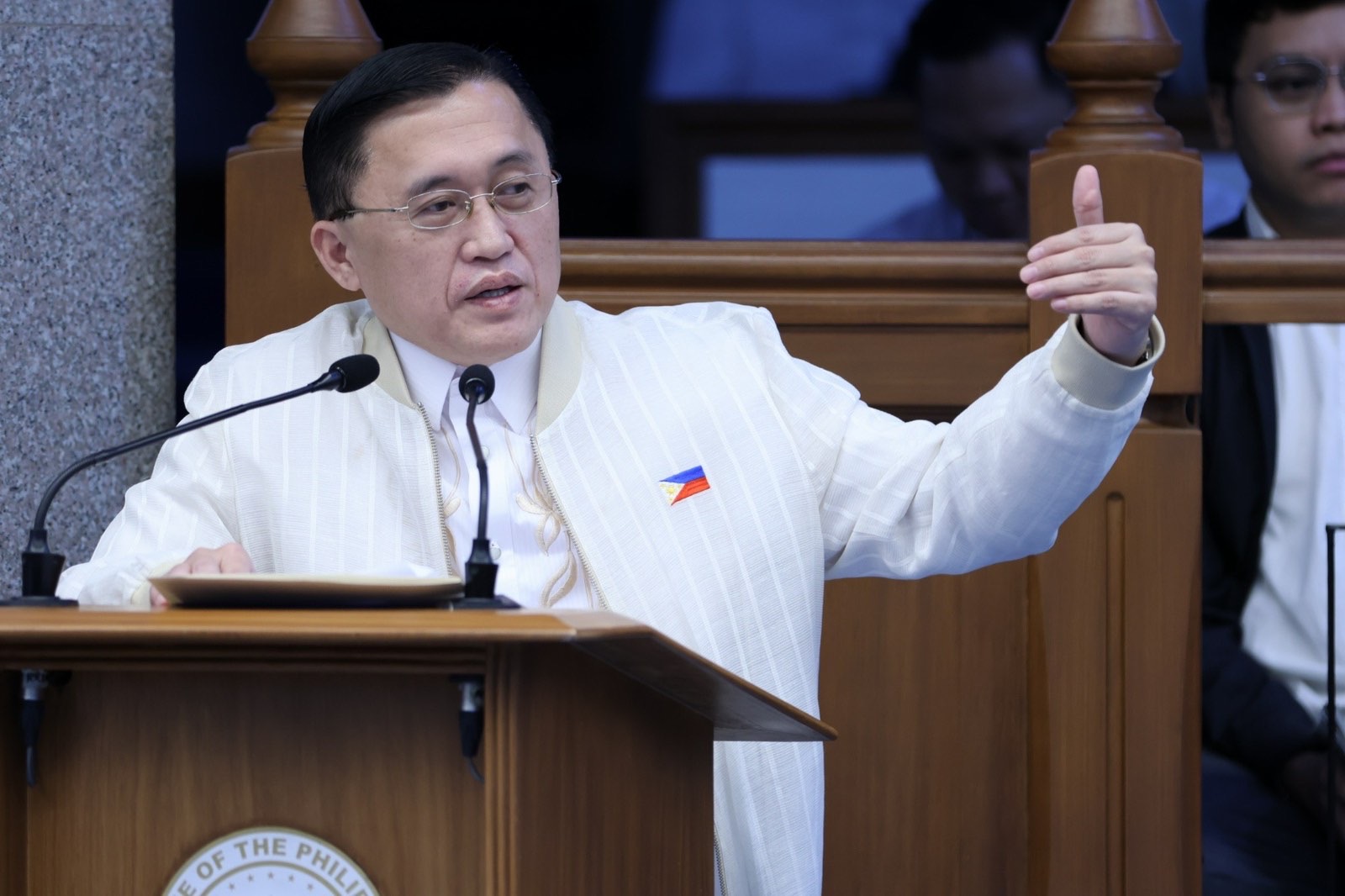
-Sen. Christopher “Bong” Go called on concerned government agencies and educational institutions to ensure the clear and effective implementation of the Student Loan Payment Moratorium During Disasters and Emergencies Act, stressing that students affected by calamities must be able to readily avail themselves of the relief provided by law.Go, one of the authors and co-sponsors of Republic Act No. 12077, said implementing guidelines and procedures must be communicated clearly to students, families, schools, and lending institutions so that those qualified for the moratorium know their rights and how the protection applies to them. Senate records also list Go as a co-sponsor of the measure that eventually became law.
“Ang importante, malinaw sa ating mga estudyante at kanilang mga pamilya kung paano nila maa-avail ang benepisyong ito. Batas na ito at dapat maramdaman nila ang tulong, lalo na sa panahon ng sakuna at emergency,” Go said.
Republic Act No. 12077, signed into law on December 6, 2024, provides for the temporary suspension of student loan payments during a declared State of Calamity or State of Emergency and for 30 days after such declaration is lifted.
The measure has taken on renewed relevance as a number of provinces and localities have recently been placed under a State of Calamity amid widespread flooding and other effects of the enhanced southwest monsoon or Habagat and recent tropical cyclones. These include Bataan, Bulacan, Pampanga and Cavite, as well as affected localities in Pangasinan, Rizal, Zambales and Batangas.
The law covers qualified students enrolled in state universities and colleges, local universities and colleges, private higher education institutions, and public and private technical-vocational institutions whose residences are located in areas covered by a duly declared State of Calamity or State of Emergency.
The moratorium applies to fees, charges, and costs related to student loans for higher education and technical-vocational education and training programs, whether the loans are administered by the educational institutions themselves, the Unified Student Financial Assistance System for Tertiary Education Board, the Commission on Higher Education, or another government agency or instrumentality.
Go emphasized that students should not have to navigate complicated requirements at a time when their families may already be dealing with damaged homes, disrupted livelihoods, displacement, and other consequences of disasters.
“Kapag may bagyo, baha, lindol o iba pang kalamidad, maraming pamilya ang inuuna muna ang pagkain, bahay, gamot at iba pang pangunahing pangangailangan. Hindi dapat maging dagdag na problema sa kanila ang pagbabayad ng student loan habang sinusubukan nilang makabangon,” he said.
The law further provides that availing of the moratorium must not adversely affect a student’s eligibility for re-enrollment in succeeding semesters or terms, or for graduation. No penalties or interest may also be imposed on payments deferred pursuant to the law.
Public and private higher education and technical-vocational institutions are also allowed to provide forms of payment relief more favorable than the minimum protection established under RA 12077.
Go said these protections must be explained in plain and accessible language, particularly to students in disaster-stricken communities.
He urged CHED, the Technical Education and Skills Development Authority, UniFAST, schools, and other concerned institutions to ensure that students are properly informed about who qualifies, what loans are covered, how long the moratorium lasts, and where they can seek assistance if they encounter problems availing themselves of the benefit.
“Hindi sapat na may batas tayo kung hindi naman alam ng estudyante kung paano ito magagamit. Dapat simple, malinaw at madaling ma-access ang proseso,” Go stressed.
RA 12077 specifically tasked CHED and TESDA, in consultation with state, local, and private educational institutions and other stakeholders, to promulgate implementing rules and regulations for the law.
Before the measure became law, Go had pushed for its passage as successive storms devastated communities in different parts of the country, arguing that student loan obligations should not become an additional burden for families attempting to recover from disasters.
“Hindi na biro ang hirap na dinaranas ng ating mga kababayan. Sunod-sunod na bagyo, baha, at kawalang-katiyakan sa kinabukasan. Hindi natin hahayaang maging dagdag-pasanin pa ang student loans sa gitna ng ganitong kalamidad,” Go said in November 2024.
Go maintained that keeping students in school during difficult periods requires government to recognize the financial pressures experienced by their families.
He said the temporary moratorium is intended to give affected students breathing room while their households prioritize immediate needs and rebuild their livelihoods.
“Ang edukasyon ay hindi dapat maputol dahil tinamaan ng kalamidad ang isang pamilya. Kung may paraan ang gobyerno para mabawasan kahit pansamantala ang kanilang pasan, siguraduhin nating nakakarating at napapakinabangan ang tulong,” Go said.
He reiterated his call for concerned agencies and institutions to make the implementation of RA 12077 straightforward, transparent, and responsive to the circumstances of disaster-affected students.
“Ang layunin ng batas ay tulungan silang makabangon, hindi pahirapan pa sa proseso. Siguraduhin nating bawat kwalipikadong estudyante ay kayang ma-avail ang proteksyong ipinagkaloob sa kanila ng batas,” Go concluded.