“You must gain control over your money or the lack of it will forever control you.” -anonymous

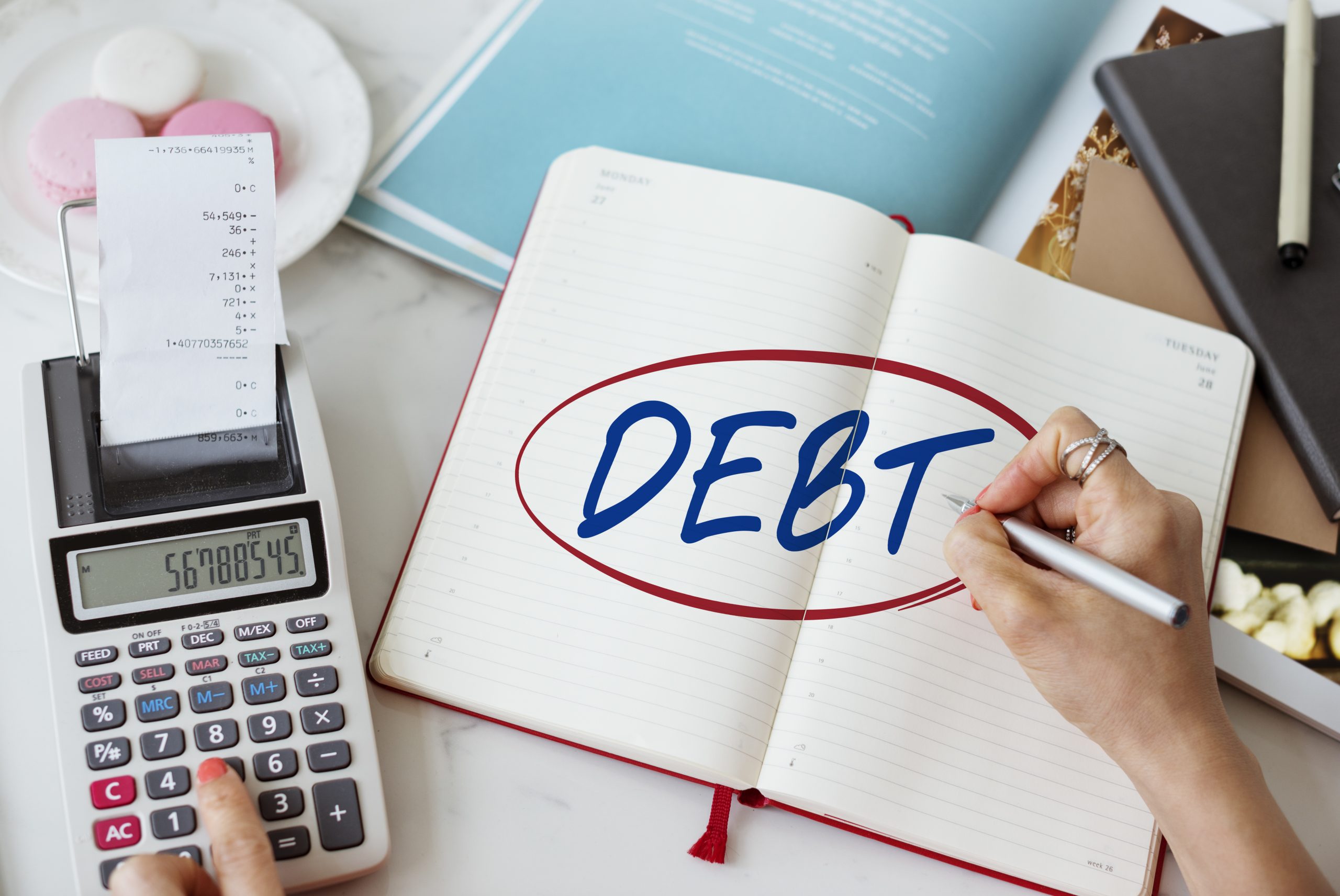
Almost every one of us have experienced having debt – it may be through a credit card, mortgage or a personal loan. There is nothing seriously wrong about it until it starts controlling and leading you to a vicious cycle of debt.
Imagine this scenario: There’s an emergency in the family but since you do not have ready cash to spend, you had to borrow. Now you have to pay both the principal amount plus the interest leaving you with lesser money for your essential needs, so you borrow more, pay more interest and so on. You suddenly find yourself with more debts and increasing interests to pay. That’s the vicious cycle of debt.
There are so many reasons why people end up in a debt cycle. Some are controllable in nature, some are not. It can be a result of overspending or bad financial choices. Am sure you know people who take out loans to travel, to buy the latest gadgets, watch those concerts or fund their whims and caprices. Most people take out loans because they failed to create a fund for emergencies like sickness in the family, job loss or home repairs. Their available cash is just enough for their basic needs that any unexpected or unscheduled expenses will have to be funded by a loan. And there are those, who, even without emergencies, are already struggling to live paycheck to paycheck and have to resort to borrowing money or use credit card just to get by. Justifiable or not, these reasons lead us to debt spiral.
But don’t fret! While it seems difficult to get out of this “debt trap”, there are still ways to gaior regain your financial stability and break free of your debt. Depending on the nature and amount of your debt, planning to be debt-free might involve either short-term or long-term actions, or both.
Know how much you totally owe. It might be uncomfortable and scary, at some point, but having a full picture of your debt is the important first step to managing it. Write it down. Some people need to see it, to believe and accept that they are in this situation.
Stop borrowing or using credit card. Immediately stop taking out loan or stop using the credit card for your next purchases. Put your credit cards away where you can’t easily access them or cancel it. If you’re a frequent online shopper, delete your saved card information from online shopping platforms. Obviously, you cannot afford to pay your credit card balance in full, so continuing to use your cards while trying to break free from the debt cycle will only increase your debt, as the interest you have to pay will also grow.
Prioritize debt repayment – The sooner, the better. Depending on your affordability or capacity to pay, you may either use the “debt snowball” method – where you start paying off the smallest loans. Slowly seeing one loan gets paid gives you quick psychological high, allows you to celebrate small wins thereby increasing your confidence to pay off the next ones. Or you can use the “debt avalanche” method – where you start by paying off the highest-interest loans. This may require bigger amount to settle but will save you money long-term as you get rid off the high interests.
Create a budget. Map out a strict monthly budget and stick to it. Having a budget allows you to see exactly where your income is going and identify areas where you can cut back. Cut on your non-essential or leisure spendings as the peso saved from these can be used to pay off your debt instead. But more importantly, avoid funding your leisure spendings thru loans. If you can’t pay it in cash, then don’t.
Create an emergency fund. Regardless of the amount, build the habit of saving for those “rainy days”. Pay yourself first as though you’re paying your non-negotiable monthly bills. Have an arrangement where a portion of your income goes to your savings account directly even before receiving it. This way, you avoid the temptation of spending all your money. When done consistently, this will empower you to create your emergency fund. So next time, a crisis happens, you have cash savings for it, without needing to take out a loan.
Increase your income stream. If your main income is just enough to cover your essential needs, you will need to have other income stream to pay off your debt. and get ahead of the debt cycle. More cash coming doesn’t mean more budget to spend, it means a source to pay off your debts.
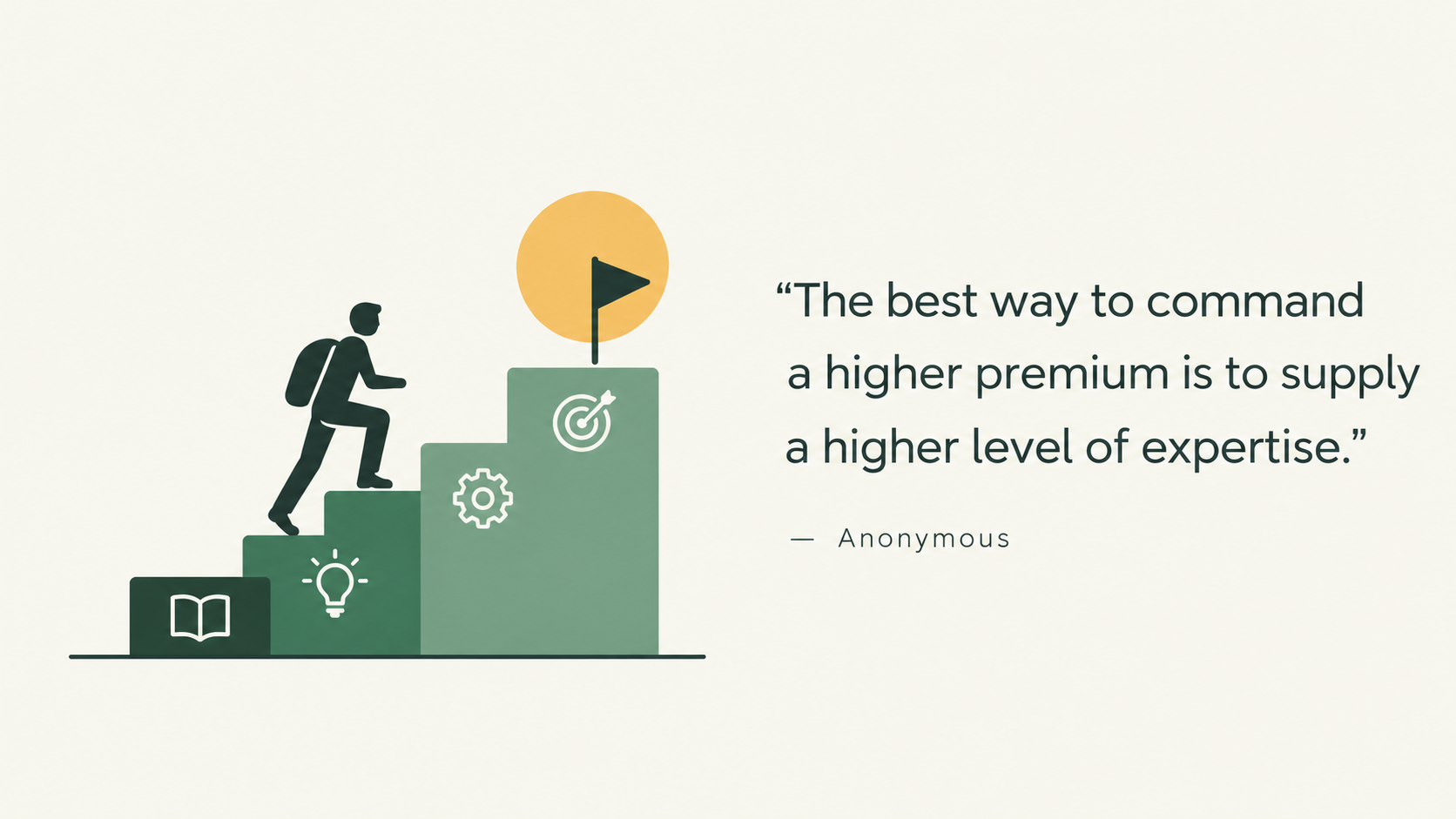
Be mindful of what caused your debt cycle. As mentioned above, there are several reasons why people fall into the debt cycle. The key to managing your debt is to be aware and mindful of your own reason why you’re in it, in the first place. If you are an impulsive buyer. learn your triggers so you can avoid or properly cope with them. If you’re in a low paying job or career, find ways to increase your earning potential by either changing careers, or getting side hustles or upskilling yourself. If you know what brought you into the debt cycle, you’ll most likely find the way to get out of it.
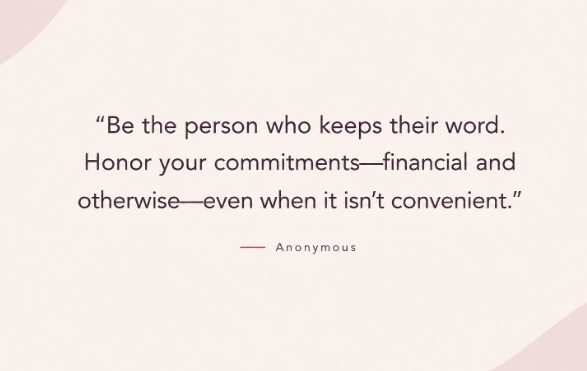
Being debt free is good for your health. You won’t feel stressed, have peace of mind and enjoy healthy social life. Aside from this, you have the moral obligation to pay, regardless from whoever or wherever you took out the loan. Be mindful, that from the goodness of their hearts, people loaned you. It’s just right that from the goodness of your heart, you pay them.