By Edwin Espejo
The End of the Beginning
[THREE WEEKS, 3 WITNESSES. ONE ARTICLE OF IMPEACHMENT]

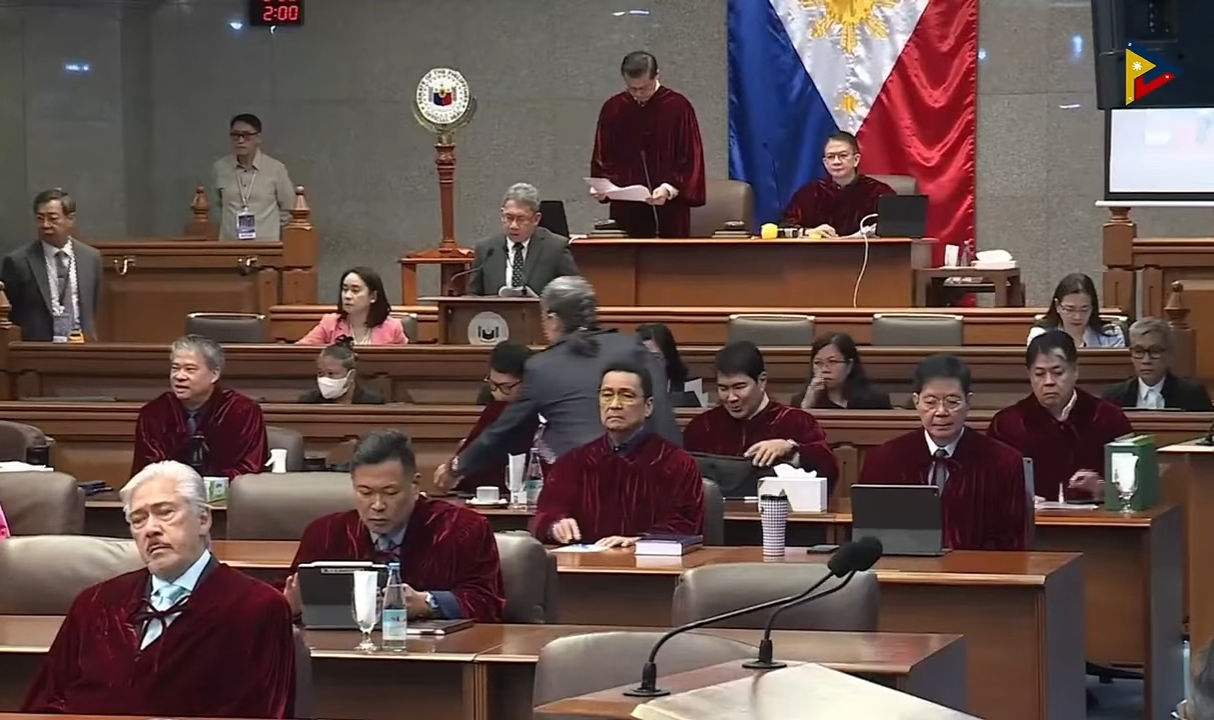
-The Senate Impeachment Court began its trial of the Vice President with bated breath as one of the most anticipated constitutional and political events of the decade.It ended with a sigh of relief that one article is over.
Two trial days were spent for the week, but what many waited for was the ruling on the subpoena requested by the Prosecution, filed even before the trial began.
Each party was earlier ordered to submit their memorandum on the subpoena. Monday’s (Day 7) oral arguments were verbal summaries of each party’s written memorandum.
On the same day, after the oral argument, the Presiding Judge read his decision, which was already done ahead of the oral arguments and which, according to him, was indivisible within the Impeachment Court. Any adverse view from either side will have to be brought to the Supreme Court, he implied.
Image.png
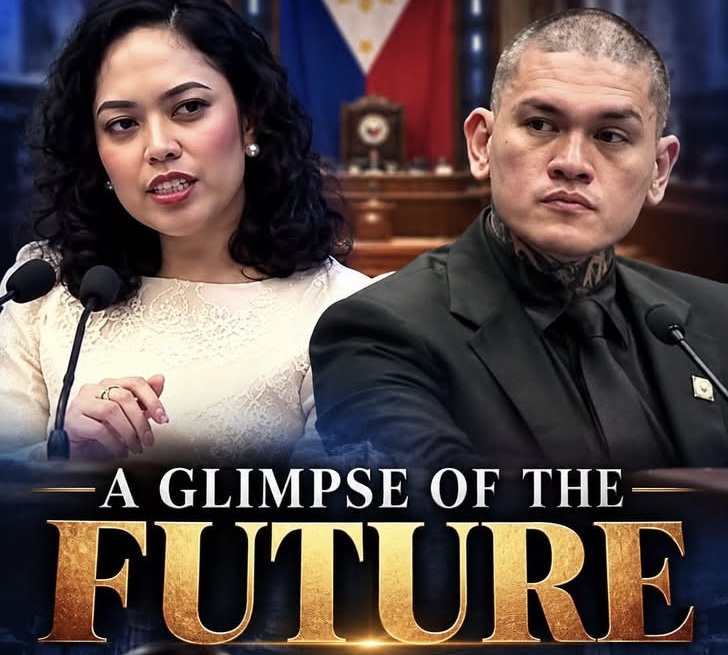
Diokno
The ruling, which scored points for the prosecution, was seen by many as a salute to the eloquence of Rep. Chel Diokno in his prepared and read argument.
But more may have been impressed with defense counsel Atty. Michael Wesley Poa, who was as articulate or more persuasive with his extemporaneous delivery.
IMG_3378.jpeg
Poa
Neither should be judged by their individual prowess.
The prosecution anchored theirs in the sui generis nature of the impeachment process, appealed to the court to allow the issuance of requested subpoenas in the spirit and pursuit of truth and accountability, and backed them with jurisprudence.
The defense centered theirs on due process and equal protection of law, with their citing of prohibitions and exceptions by enabling laws.
“No one is above the law. But no one should fall under the law or be outside of the law,” it declared.
The defense, in asking for a true copy of the Impeachment Court, has effectively put on notice that it may raise questions of the ruling in the proper venue and time.
The prosecution won a couple or two over other requests which were denied.
The documents that will be produced during the course of the trial as a result of the subpoena will make or unmake the impeachment case of Vice President Sara Duterte.
MUCH ADO OVER NOTHING,NOTHING ABOUT THE ADO
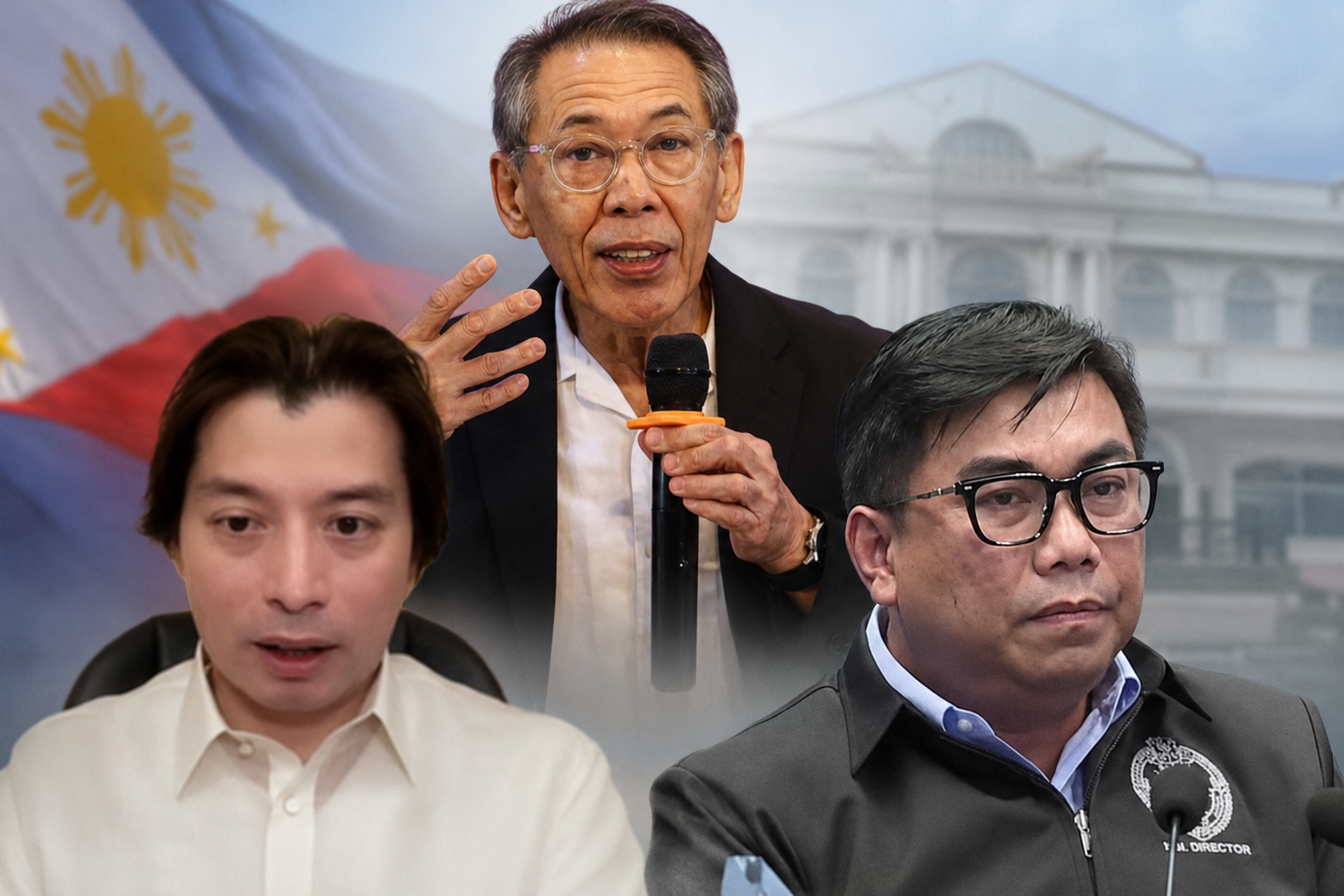
The next two days (the 8th and 9th days) saw National Bureau of Investigation Director Melvin Matibag, head of the country’s premier investigating body, take the witness stand as the last but most consequential witness for the prosecution, with no less than the lead prosecutor directing his examination.
IMG_3379.jpeg
Matibag
Here is where the prosecution case began to unravel.
Appointed only in February 2026, and who once was an ally of former President Rodrigo Duterte—father of the impeached vice president—Matibag began his testimony relying on the results of the previous investigation about the threat issued by the vice president.
Then, near the end of the direct examination, he said the vice president has shown a pattern of violence, beginning with the punching incident during the execution of a court demolition order, and segueing to the alleged affidavit of former police officer Arturo Lascañas.
He then pulled out an affidavit and, upon prompting from the lead prosecutor, read a portion of it where the vice president reportedly ordered in-hiding Senator Ronaldo dela Rosa to kill and dispose of the bodies of EJK victims.
That raised the howl of the defense, who objected, but the Presiding Judge nevertheless allowed it with a caution that the affidavit, bearing no signature and unsubscribed, should not be taken for its truthfulness and authenticity.
He was earlier introduced to be the witness that would prove that an order to kill the President, his First Lady, and the former House Speaker had indeed been given, and that the threat had become a national security issue.
But when pressed, the farthest he could go were leads supplied by confidential informants.
He admitted in court, however, that no contract was signed, no money was involved, and no identity had been given.
The defense counsel, the same one who cross-examined the two prior prosecution witnesses, innocuously led NBI Director Matibag into a trap that began with soliciting an admission that it was not he who prepared the affidavit of investigation, signed the report, and conducted the interviews with journalists named in the affidavit, and ended with no available report of the progress of its investigation on the threat issued by the vice president, which he described as still ongoing.
Equally important was his admission that his wife, a member of the House of Representatives, was a signatory to the impeachment complaint, and that he had written several critical columns in the opinion section of a newspaper as early as 2024.
BUILDING CASTLES IN THE AIR
At the start of the trial, when asked in which order the Articles of Impeachment will be presented, the prosecution obliged by enumerating the following in order: Article 4, 1, 3, and 2.
Article 4 was supposed to be the easiest to prove, some argued. After all, the alleged threats uttered by the Vice President were livestreamed during a press conference held in the very early hours of 23 November 2024.
It was the hardest piece of evidence presented by the prosecution. It may also be the only one that was never challenged by the defense.
The evidence, however, did not go beyond the subsequent recording of NBI agents from Facebook replays.
Nothing consequential was added; the prosecution “relied heavily on the testimony and conclusions of its own witnesses.”
In fact, the other witnesses, all low-key personnel from other agencies, were withdrawn even before Matibag was called to the witness stand.
The counsel for prosecution made a long soliloquy that they have presented enough evidence already, that after two witnesses, their testimonies were no longer necessary. And that the NBI director’s testimony will be the nail in the coffin for the vice president for this week’s conclusion of presentation of Article 4.
But was it a strategic retreat? The Impeachment Court is yet to decide, as nothing will be decided until after the Prosecution will have rested its case, about six or seven months more to go.
The defense stuck to its main argument: context and subtle suggestion that testimonies of witnesses are tainted and are their personal conclusions.
Indeed, was the evidence as ironclad as the prosecution suggested? Or had it built a castle in the air, according to the defense.