Photo Courtesy: AFP

The West Philippine Sea is not a topic for rhetorical comfort. It is not a platform for generic patriotism, recycled soundbites, or moral performances carefully calibrated for applause.
It is, quite simply, one of the most serious national security questions of our time.
It involves international law, maritime entitlements, arbitration rulings, military realities, regional power competition, and the survival of Philippine sovereignty in an increasingly hostile environment.
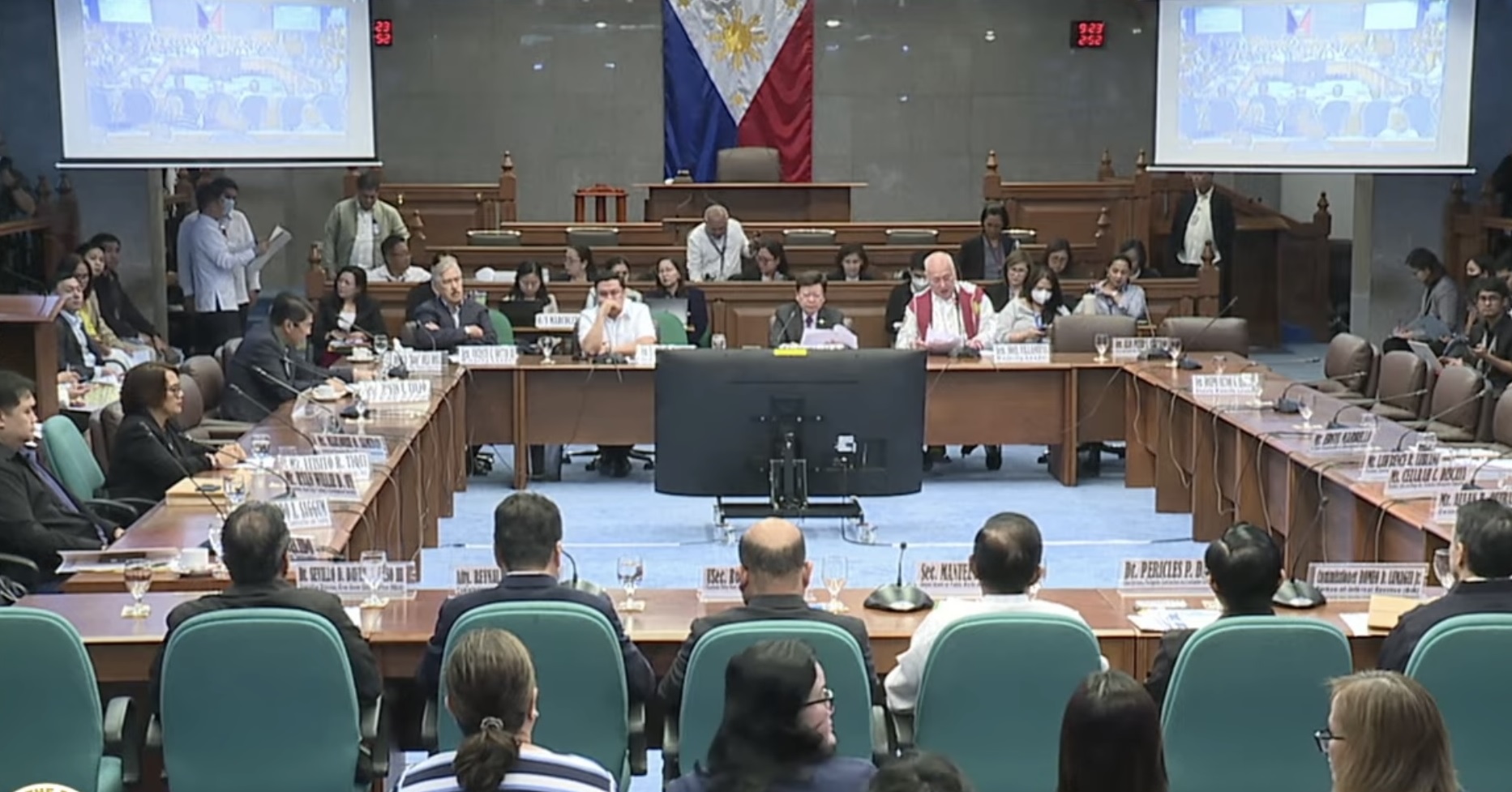
Which is why the recent public debate on the issue was not merely disappointing.
It was disturbing.
Because what was revealed was not only disagreement in policy—but a recurring and far more dangerous problem in Philippine politics: a chronic shortage of preparedness among those who claim the authority to lead.
The Philippines is not dealing with an abstract dispute. In 2016, an international tribunal ruled overwhelmingly in favor of the country’s claims under the United Nations Convention on the Law of the Sea. That ruling is not a matter of opinion. It is a legal victory that strengthens the nation’s position against Chinese expansionism.
And yet, one would not always know this listening to many of the country’s leaders speak.
Too often, the discussion collapses into vague appeals to “peace,” hollow invocations of “friendship,” or broad declarations of “national dignity” that never translate into coherent strategy.
In a matter as technical and existential as the West Philippine Sea, such emptiness is not harmless.
It is negligence.
When seasoned politicians—individuals who have spent years, even decades, in government—appear unable to articulate the fundamentals of the dispute, the issue is no longer about style. It is about competence.
Francis “Kiko” Pangilinan, among others, came across less as a policymaker prepared for geopolitical crisis and more as a familiar figure in Philippine politics: confident in tone, comfortable in language, but alarmingly thin in substance.
At times, it sounded like political speechmaking detached from policy reality—words filling the air, but not carrying weight.
This is not a mere debate flaw. It reflects something deeper: the normalization of leadership without mastery.
Public office is not ceremonial. It is not a legacy project. It is not a personality brand.
It is a job—one that demands rigor, preparation, and intellectual seriousness, especially on issues that involve territorial integrity and national defense.
Filipinos today are burdened by inflation, climate disasters, institutional dysfunction, incompentent leaders and growing external threats. The public does not have the luxury of leaders who are still “figuring things out” while already holding power.
And perhaps the most unsettling part is that this is not isolated.
It is a pattern.
Too many in Philippine politics have become experts not in governance, but in performance—skilled at projecting morality, familiarity, or outrage, while offering little competence when complexity arrives.
But sovereignty cannot be defended by vibes.
Territory cannot be protected by speeches.
And the West Philippine Sea cannot be secured by officials who treat geopolitics like a talking point rather than a responsibility.
The Filipino people deserve leaders who understand the law, the stakes, and the strategy.
Because incompetence in ordinary times is embarrassing.
In a time of escalating regional conflict, it is something far worse.
It is dangerous.