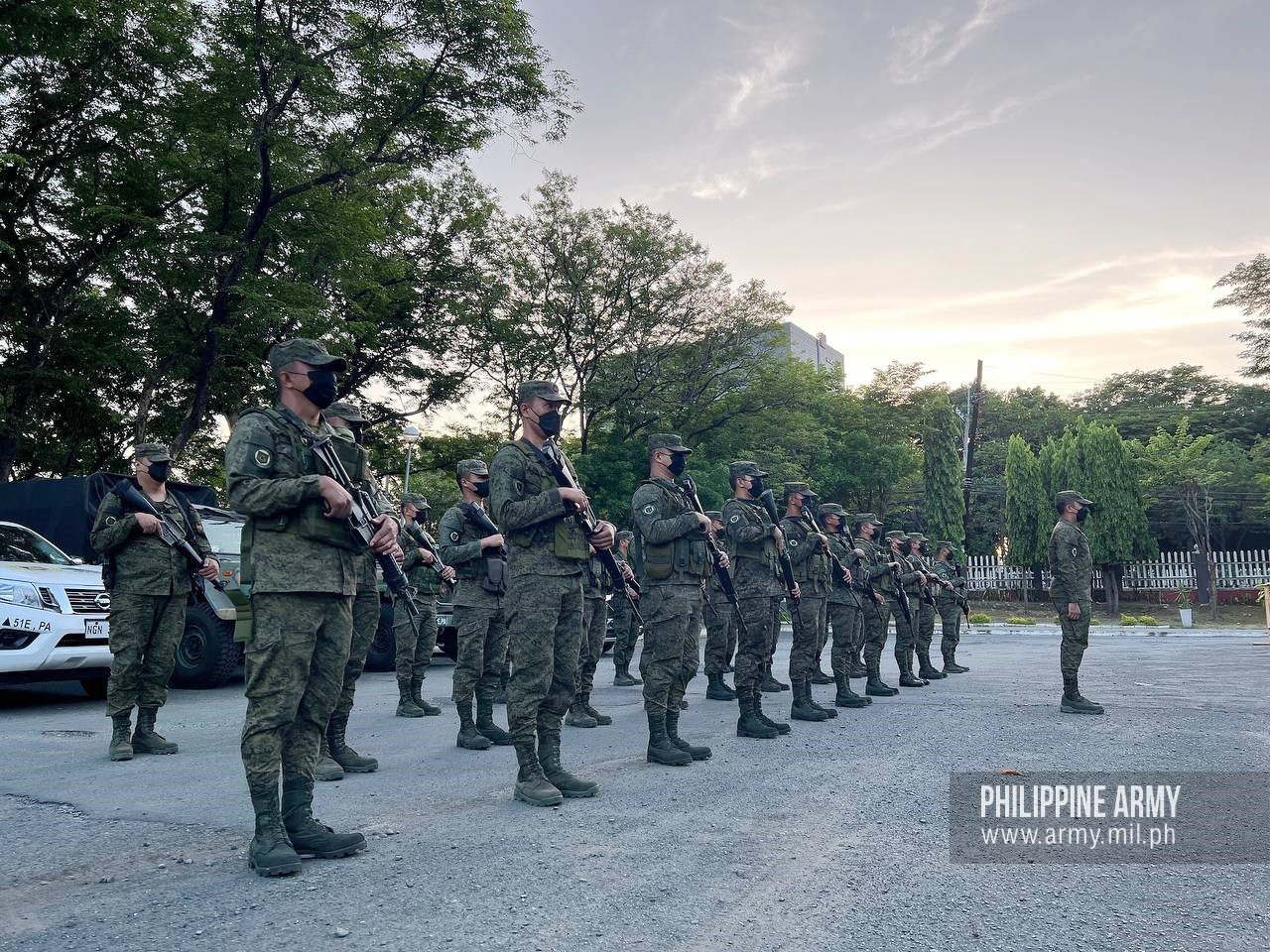
A disgrace to the uniform and a betrayal of everything a true soldier is sworn to uphold.
The Filipino people—many of whom struggle daily against poverty, rising prices, and economic uncertainty—faithfully pay their taxes to support the institutions of government, including the armed forces. In return, they expect those who wear the uniform to embody honor, discipline, patriotism, and unwavering fidelity to the Constitution.
The military profession is unlike any other. A soldier is entrusted not merely with authority, but with the solemn duty to defend the Republic, protect democratic institutions, and stand as a bulwark against threats to the nation. The uniform is meant to symbolize sacrifice and service, not privilege and power.
Yet there are those who dishonor that sacred trust.
When officers abandon their oath and align themselves with corrupt interests, they do more than tarnish their own reputation—they stain the honor of the institution they represent. They transform from defenders of the people into protectors of the powerful. Instead of serving the nation, they become instruments of those who exploit it.
This is why allegations of corruption involving public officials, especially those entrusted with immense authority, provoke such outrage among ordinary Filipinos. Every peso stolen is a peso taken from classrooms that remain unfinished, hospitals that lack medicine, roads that deteriorate, and communities that continue to suffer from flooding, hunger, and neglect.
The tragedy is not merely the corruption itself. The greater tragedy is the erosion of public trust. Citizens begin to lose faith in institutions when those expected to uphold the law appear willing to bend it for personal or political interests. Cynicism grows. Hope diminishes. Democracy weakens.
The uniform should never become a shield against accountability. Rank should never place anyone above the law. Public office and public service are not licenses for privilege; they are responsibilities that demand the highest standards of integrity and conduct.
Throughout history, nations have endured because there were men and women willing to place principle above power, duty above self-interest, and country above personal gain. The Philippines is no different. Our people deserve public servants who understand that loyalty belongs not to politicians, factions, or personalities, but to the Constitution and the Filipino people.
A true soldier does not serve the corrupt. A true soldier does not bow before plunderers. A true soldier stands with the nation—even when doing so requires courage, sacrifice, and the willingness to confront those who abuse power.
The uniform commands respect only when its wearer proves worthy of it. Without honor, it is merely cloth. Without integrity, it is merely decoration. And without fidelity to the people, it becomes a symbol not of service, but of betrayal.