In an impeachment trial, the public deserves more than dramatic announcements, unexpected withdrawals, and unanswered questions. It deserves evidence, transparency, and accountability.
The latest development in the impeachment trial of Vice President Sara Duterte has raised a troubling question: Are those entrusted with pursuing accountability fully conscious of their responsibility to the Filipino people?
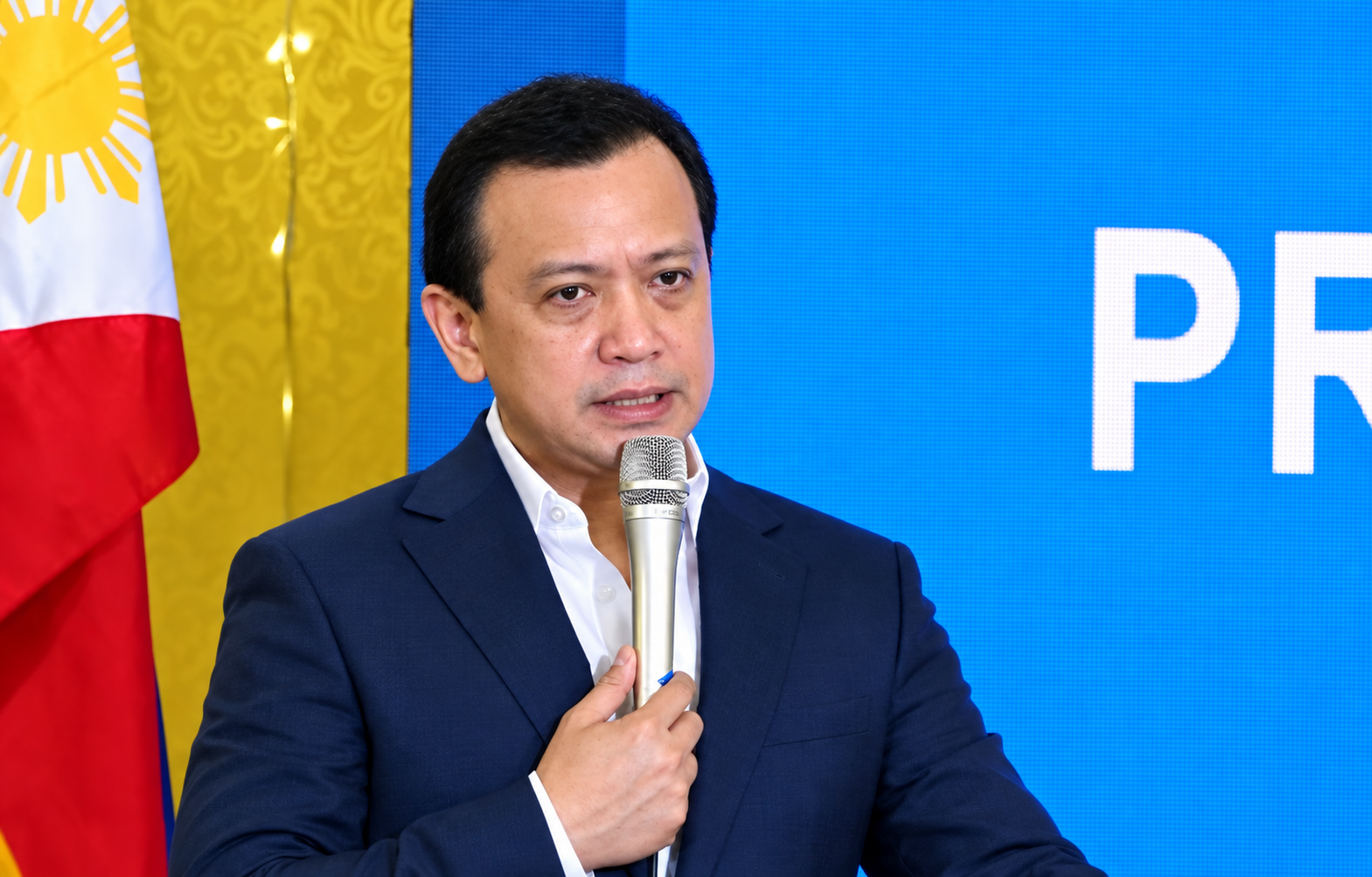
On October 1, the House prosecution panel announced that former Senator Antonio Trillanes IV would no longer testify. Trillanes subsequently said that he had personally requested his removal from the witness list, explaining that he wanted to relieve the prosecution panel of the pressure it was facing. The announcement surprised even some members of the prosecution team.
Whatever the explanation, the timing and circumstances have understandably invited criticism.
Trillanes had been presented as a prospective witness in connection with allegations concerning the Vice President’s wealth and financial transactions. His anticipated testimony had generated public attention. Yet, just when the proceedings appeared poised to examine his claims under oath, that opportunity disappeared.
And so, the public is left asking: Why?
Was his testimony no longer necessary? Had the prosecution reassessed the strength of its documentary evidence? Were there legal or strategic concerns that made his appearance inadvisable? Or was the decision driven by considerations that the public has yet to understand?
These are legitimate questions. They deserve clear answers—not speculation, evasions, or another round of political finger-pointing.
A prosecution cannot afford to confuse the public.
The prosecution has the prerogative to determine which witnesses to present. No serious observer should demand that every proposed witness must testify regardless of relevance, admissibility, credibility, or evidentiary value.
But discretion comes with responsibility.
When prosecutors publicly signal the importance of a witness and subsequently abandon that plan, they should understand that the public will demand an explanation. The responsibility is even greater when the proceedings concern the possible accountability of one of the country’s highest elected officials.
A constitutional process cannot be sustained by announcements alone. It must be sustained by credible evidence, coherent legal strategy, and confidence that every reasonable avenue of establishing the truth is being pursued.
The prosecution’s decision may be legally permissible. That, however, does not automatically make it immune from public scrutiny.
Legality and public accountability are not mutually exclusive.
Who benefits—and who loses?
The defense may find the development advantageous. Without Trillanes taking the witness stand, the defense loses neither the opportunity to cross-examine him nor the possibility of challenging his allegations through the ordinary process of questioning a witness. The defense itself has said it respects the prosecution’s discretion to withdraw a witness.
But the immediate tactical consequences should not be mistaken for a final determination of the case.
A witness’s absence does not prove the accused guilty, nor does it establish innocence. The allegations must still be evaluated against admissible evidence, applicable law, and the constitutional standard governing conviction in an impeachment trial.
That distinction matters.
The danger is not simply that one side might gain a temporary advantage. The deeper danger is that the public may begin to view the entire proceeding as a contest of political maneuvering rather than a serious examination of evidence.
And when that happens, public confidence becomes collateral damage.
The people are not an audience in a political circus.
Filipinos have every reason to demand seriousness from those involved in proceedings of this magnitude. Impeachment is not an ordinary political exchange. It is a constitutional mechanism for determining accountability under the law.
The prosecution must therefore recognize that its responsibility extends beyond winning arguments, managing headlines, or defending its internal decisions. It must present its case with discipline and make decisions that can withstand legitimate public scrutiny.
The same principle applies to the defense, the senator-judges, and every public official participating in the proceedings.
No one should be presumed guilty because allegations have been made. Equally, no allegation should be dismissed merely because its proponent has become controversial or politically unpopular.
The evidence must speak for itself.
If Trillanes possesses information relevant to the allegations, the public deserves to know whether that information will be presented through another lawful and appropriate means. If the prosecution has concluded that his testimony is unnecessary, it should explain the basis of that decision without compromising legitimate legal strategy.
And if documentary evidence can independently establish or disprove the allegations, then let that evidence be subjected to the proper scrutiny.
The objective must never be to protect a political personality, preserve a political alliance, or embarrass a political opponent. The objective must be to establish the truth within the bounds of the law.
A duty owed to the people
There is something deeply disappointing about a constitutional proceeding becoming another source of public confusion.
People already struggling with rising prices, economic uncertainty, and the daily demands of survival should not have to decipher a succession of political surprises just to understand whether their institutions are doing their jobs.
They deserve a process that is transparent in its purpose, disciplined in its execution, and faithful to the Constitution.
To be clear, withdrawing a witness does not, by itself, establish betrayal. But when expectations are raised and decisions change without an adequate public explanation, those responsible risk betraying the confidence placed in them.
That is the distinction our public officials must understand.
The people do not demand a conviction at any cost. They demand a credible process in which the truth is pursued without fear, favor, or political convenience.
If the evidence supports the allegations, establish them. If it does not, let the law determine the outcome. If a witness is unnecessary, explain why the case can proceed without him.
But do not ask the public to accept uncertainty as a substitute for accountability.
In the end, this impeachment trial is not about the political fortunes of Sara Duterte, Antonio Trillanes, or the prosecution panel. It is about whether our constitutional institutions can demonstrate that accountability is more than a slogan invoked when politically convenient.
A witness may withdraw. A prosecution strategy may change. Political fortunes may rise or fall.
“But the people’s right to the truth must never be withdrawn from the proceedings.”