(A reflection on public attention, political narratives, and the people’s right to demand answers.)

There is something deeply concerning about the way public controversies unfold in our country.
Whenever a major issue involving government accountability, public funds, or the exercise of constitutional authority demands answers, another politically explosive controversy seems to dominate the national conversation.
The question is: Are we becoming so preoccupied with the latest controversy that we are gradually losing sight of the issues that originally demanded our attention?
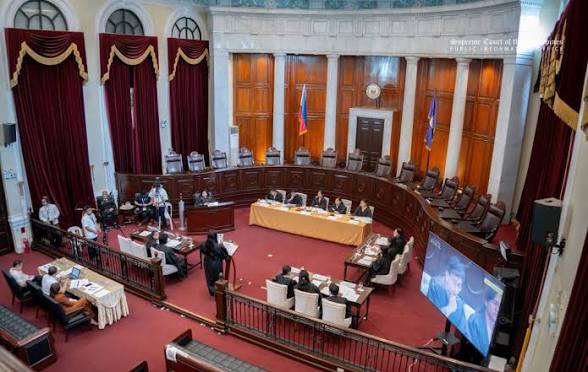
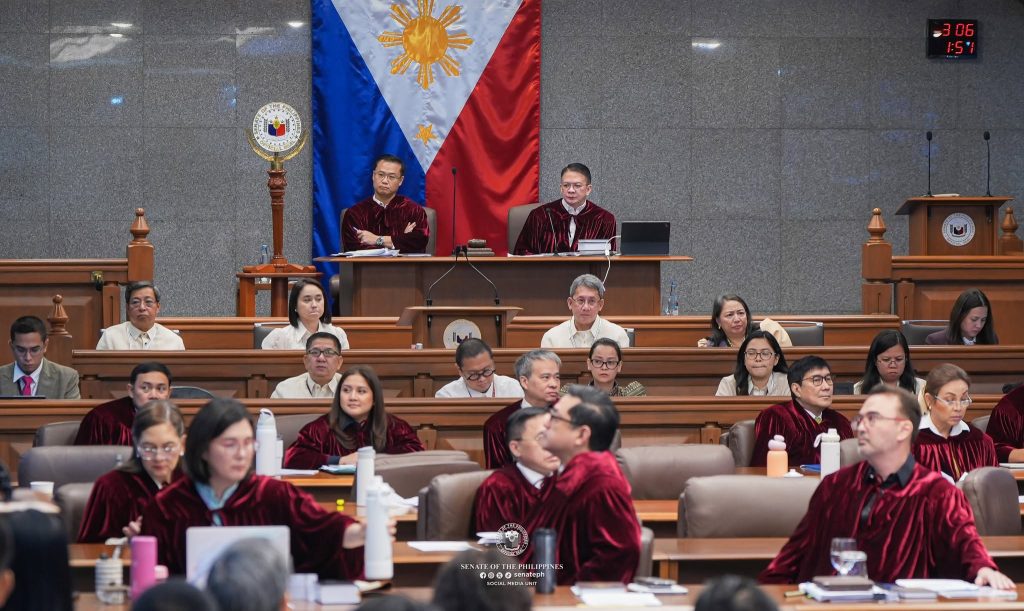
Consider the recent Supreme Court ruling concerning the 2024, 2025, and certain provisions of the 2026 General Appropriations Acts. This was no ordinary legal development. It involved constitutional limits on government spending, the integrity of the national budgeting process, transparency in legislative proceedings, and the responsibility of those who participated in decisions affecting billions of pesos in public funds.
These are matters that directly concern every Filipino taxpayer.
Yet, as public attention turned toward the implications of that ruling, the renewed controversy surrounding Senator Ronald “Bato” dela Rosa and the efforts to arrest him became another major national headline.
To be clear, the legal questions surrounding Senator dela Rosa deserve to be addressed according to law and due process. No individual should be above the law, but neither should anyone be deprived of the protections guaranteed by it.
However, the existence of one legitimate issue should never become a reason to abandon another.
This is where the public must remain vigilant.
We should not automatically assume that every controversial development is deliberately orchestrated to divert public attention. But neither should we dismiss legitimate questions about the timing, presentation, and political consequences of major public controversies.
The danger lies in allowing political noise to replace public accountability.
A government cannot escape scrutiny simply because another issue has captured the headlines. A constitutional ruling does not become less important because a political personality suddenly dominates social media. And questions involving billions in public funds do not disappear simply because the public has moved on to another debate.
The Filipino people deserve answers, not distractions.
They deserve transparency, not competing narratives designed to confuse them.
They deserve public officials who understand that accountability is not optional, temporary, or dependent on the news cycle.
Ultimately, democracy requires more than the freedom to speak. It requires an informed citizenry capable of distinguishing facts from political narratives, legal accountability from political persecution, and genuine public interest from calculated attempts to redirect attention.
Let us not allow ourselves to be so easily distracted.
Let us continue asking the difficult questions, demanding explanations, and following every issue to its proper conclusion.
Because while controversies come and go, public money remains the people’s money, constitutional accountability remains a government obligation, and the consequences of public decisions are ultimately borne by the Filipino people.
A nation that forgets to ask questions eventually loses its ability to demand answers.