
The Constitution is supposed to be the one document in our political life that stands above political convenience.
That is why the controversy now unfolding in the impeachment trial of Vice President Sara Duterte deserves more than partisan applause or condemnation.
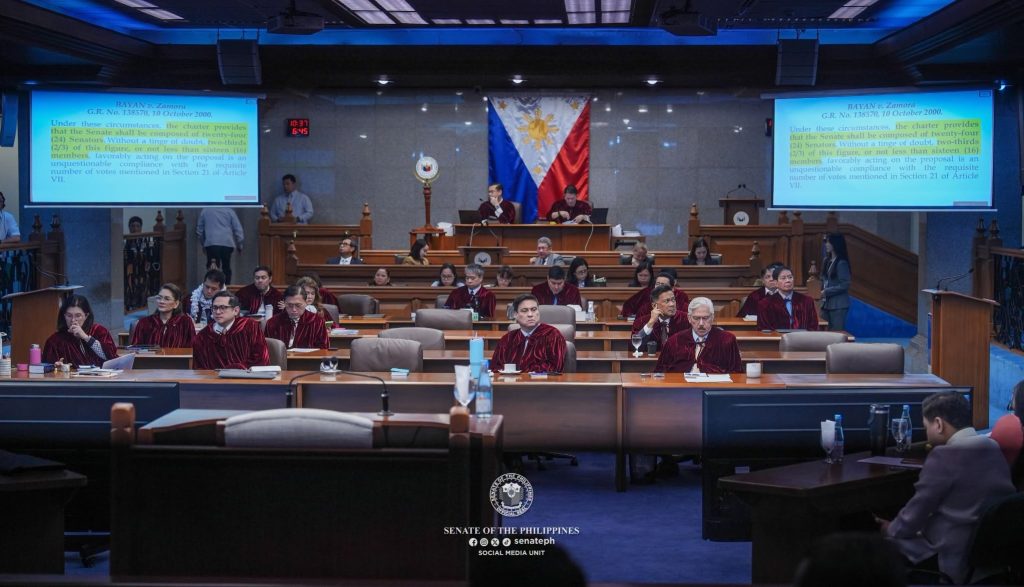
At the heart of the dispute is a simple constitutional phrase: “two-thirds of all the Members of the Senate.”
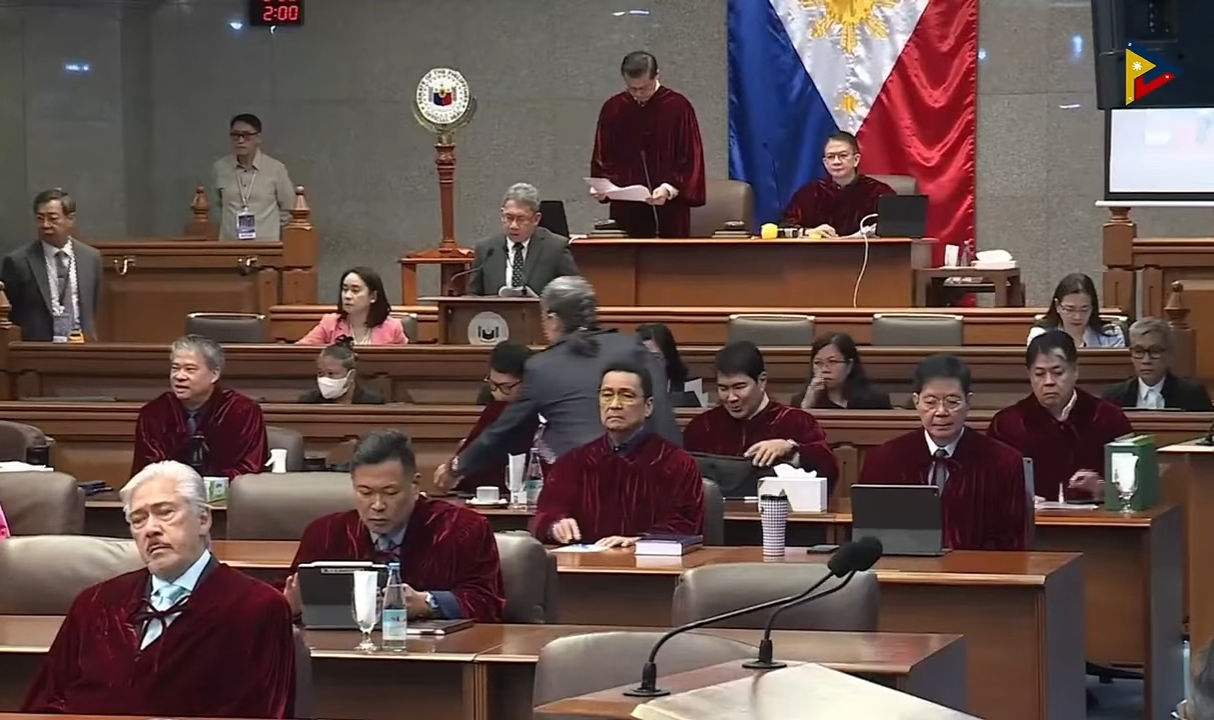
When the impeachment trial opened, the Senate impeachment court interpreted that requirement to mean 16 votes out of 24 senators. No immediate challenge was raised against that determination. But more than two months into the proceedings, the Senate reconsidered the interpretation and has now adopted a formula under which senators who are legally or factually unable to participate may be excluded from the denominator.
The constitutional requirement of two-thirds has not been rewritten.
But the question remains:
Can the meaning of “all the Members of the Senate” change in the middle of an impeachment trial simply because circumstances surrounding some senator-judges have changed?
That is not merely a question of arithmetic.
It is a question of constitutional interpretation, institutional authority and, ultimately, public confidence in the impeachment process.
The prosecution argues that senators who cannot legally or physically participate should not be counted as judges in determining the required vote. The defense, on the other hand, argues that changing the threshold after the trial has already begun raises serious due-process concerns. Legal experts invited by the Senate have also offered differing interpretations.
That disagreement is important.
Because when reasonable legal minds can reach different conclusions from the same constitutional provision, the issue should not be reduced to “pro-Sara” or “anti-Sara.”
The real question should be:
What interpretation most faithfully preserves the Constitution’s text, purpose and safeguards?
Impeachment is not supposed to be a contest of political numbers. It is a constitutional process designed to determine accountability for the highest officials of the Republic.
And that is precisely why the rules surrounding it must inspire confidence that the standard is neither designed for conviction nor for acquittal.
If the constitutional threshold is 16, it should not become 14 merely because 14 makes one side’s position more attainable.
Conversely, if the Constitution genuinely permits the denominator to exclude senators who are legally incapable of participating, then that interpretation must rest on constitutional principle—not on the political consequences of the particular case.
The Constitution must be bigger than the person being impeached.
Bigger than the senators voting.
Bigger than political alliances.
And bigger than the outcome anyone hopes to achieve.
Because once constitutional rules begin to look as though they can move according to the political circumstances of a particular case, the damage is not confined to one impeachment trial.
It reaches something much more fundamental:
the people’s trust that the Constitution governs politics—not that politics governs the Constitution.
And perhaps that is the question history will eventually ask of everyone involved:
Were we interpreting the Constitution because the Constitution required it—or because the politics of the moment demanded it?
“No person shall be convicted without the concurrence of two-thirds of all the Members of the Senate.”
That is Article XI, Section 3(6) of the 1987 Constitution.
And that’s the bottom line!