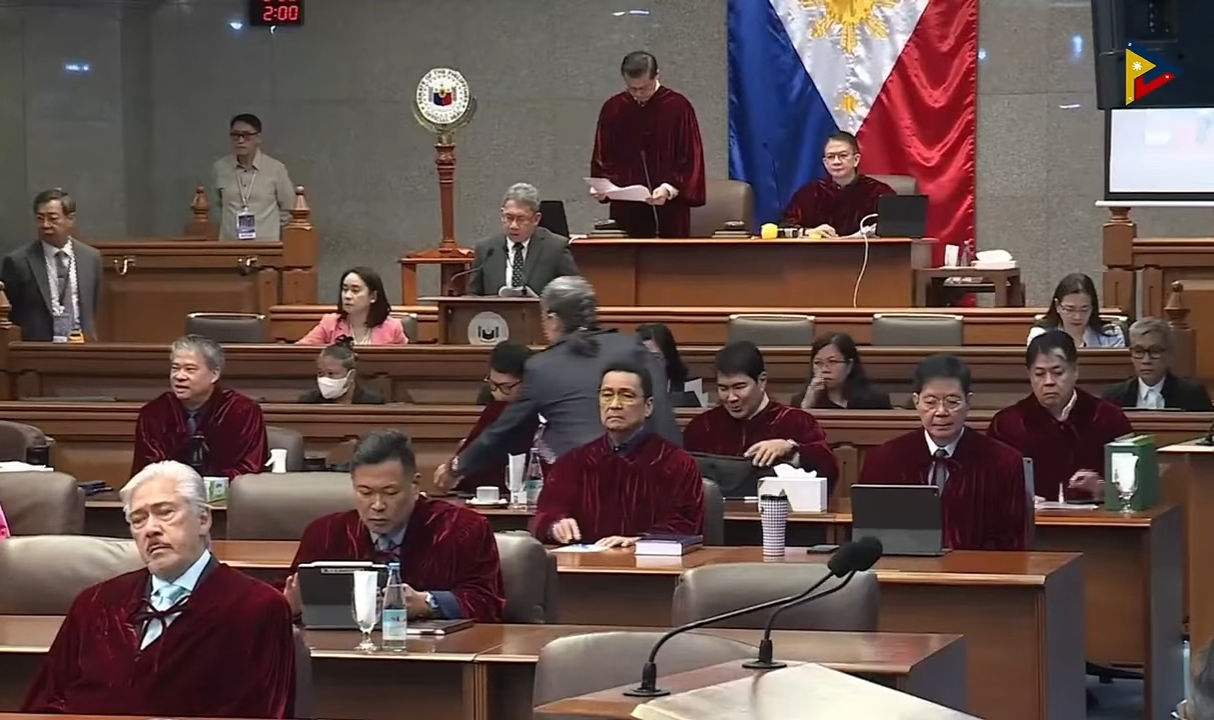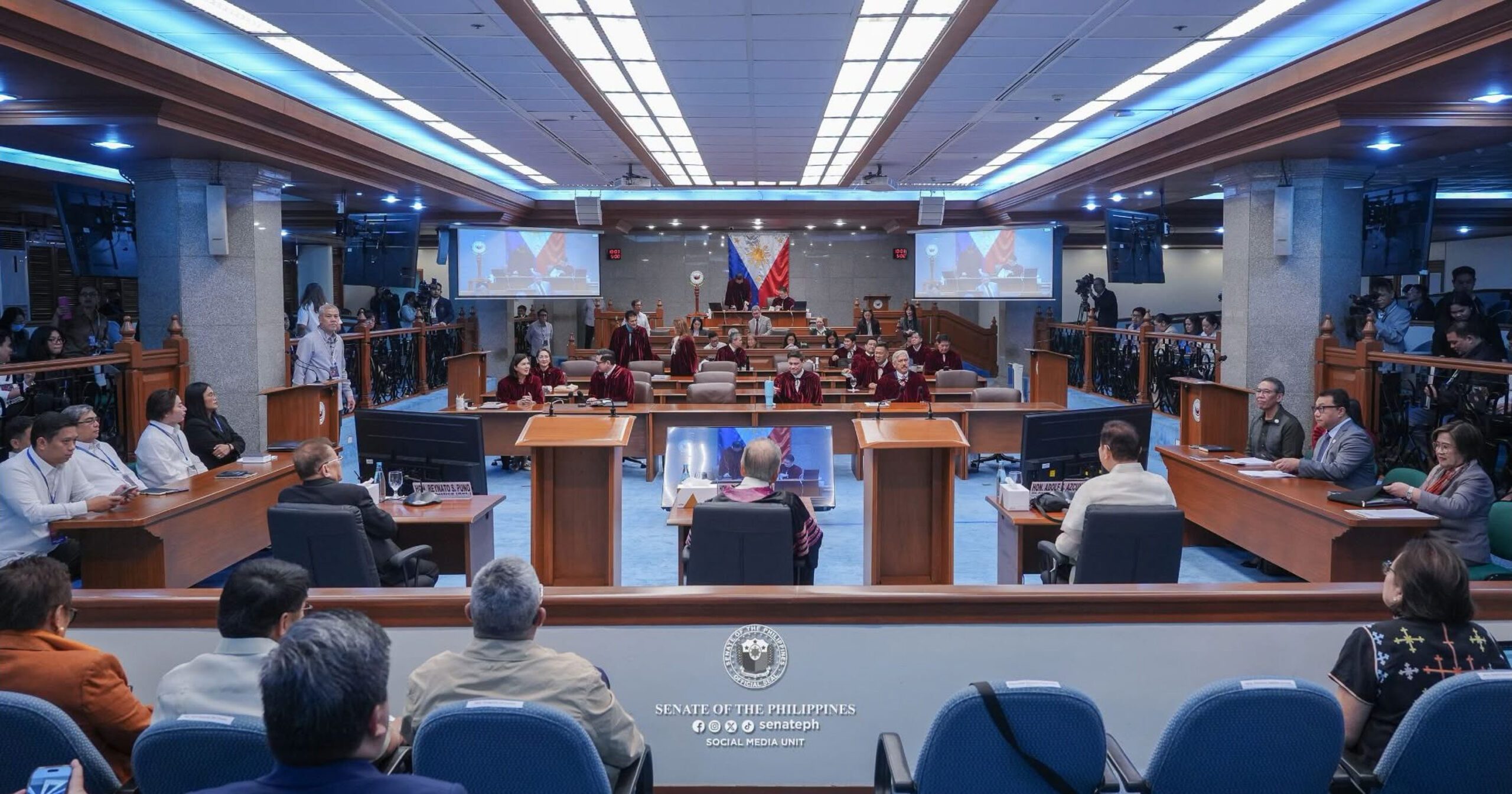
The affirmative votes of many congressmen for the impeachment of Vice President have drawn widespread public attention and, more importantly, deep disappointment from many of their constituents. This comes amid persistent allegations that financial incentives — disguised as district projects, “ayuda,” and other forms of government assistance — influenced the outcome of the votin
Let us be clear.
Under the 1987 Constitution of the Philippines, a Congressman or Member of the House of Representatives belongs to the legislative branch of government. Their constitutional duty is to enact laws, represent their constituents, craft policies, and exercise oversight functions over government operations. Their powers are centered on legislation, appropriations, taxation, and accountability mechanisms.
Nowhere in the Constitution does it state that congressmen are engineers, contractors, or implementers of infrastructure projects. Neither does it mandate them to act as social welfare officers distributing financial assistance under programs such as AICS, ECT, or TUPAD. Those functions rightfully belong to agencies like the and the .
When lawmakers begin to overlap or control functions outside their constitutional mandate, it raises serious questions about motive and intention. The reality is difficult to ignore: enormous government funds are involved. And where excessive political control over public funds exists, the shadow of corruption inevitably follows.
The role of a congressman is to faithfully deliver the voice and sentiments of the people they represent. In many communities, support for the Vice President remains strong, with many believing that the impeachment complaint is political in nature rather than a genuine pursuit of justice and accountability.
It is now too late to justify the means, especially when the public already senses the real story behind the overwhelming confirmation of votes. The people are not blind. Many understand that political opportunism and “political prostitution” played a bigger role in the outcome than principles, conscience, or even gratitude toward the Vice President, who once became a political ally and benefactor to many of those now turning against her.
Impeachment is a constitutional mechanism for accountability. However, accountability only holds moral and legal weight when exercised strictly within the bounds of due process, fairness, impartiality, and genuine constitutional intent — not when weaponized for political survival, leverage, or convenience.
If this is the kind of thinking and behavior displayed by those elected to craft laws for the nation, then corruption will never truly disappear. Worse, it risks being normalized and conveniently rebranded as “accountability.”
“The end does not justify the means”