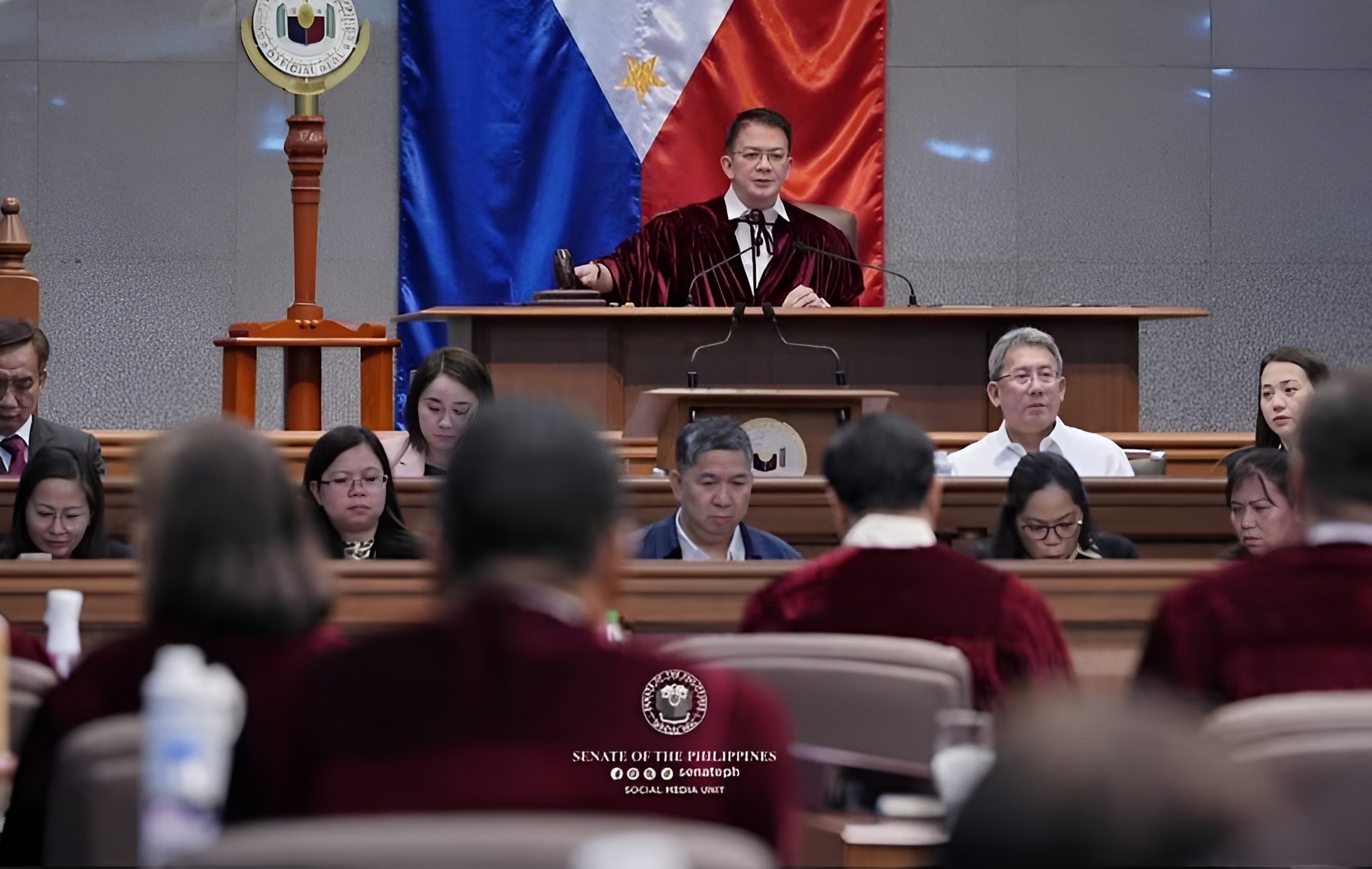
The Senate’s unveiling of the new Blue Ribbon Committee is more than just a routine reshuffling of positions — it is a political statement, a signal that the chamber is preparing to redefine how investigations into corruption, abuse of power, and misuse of public funds will be conducted in the coming years.
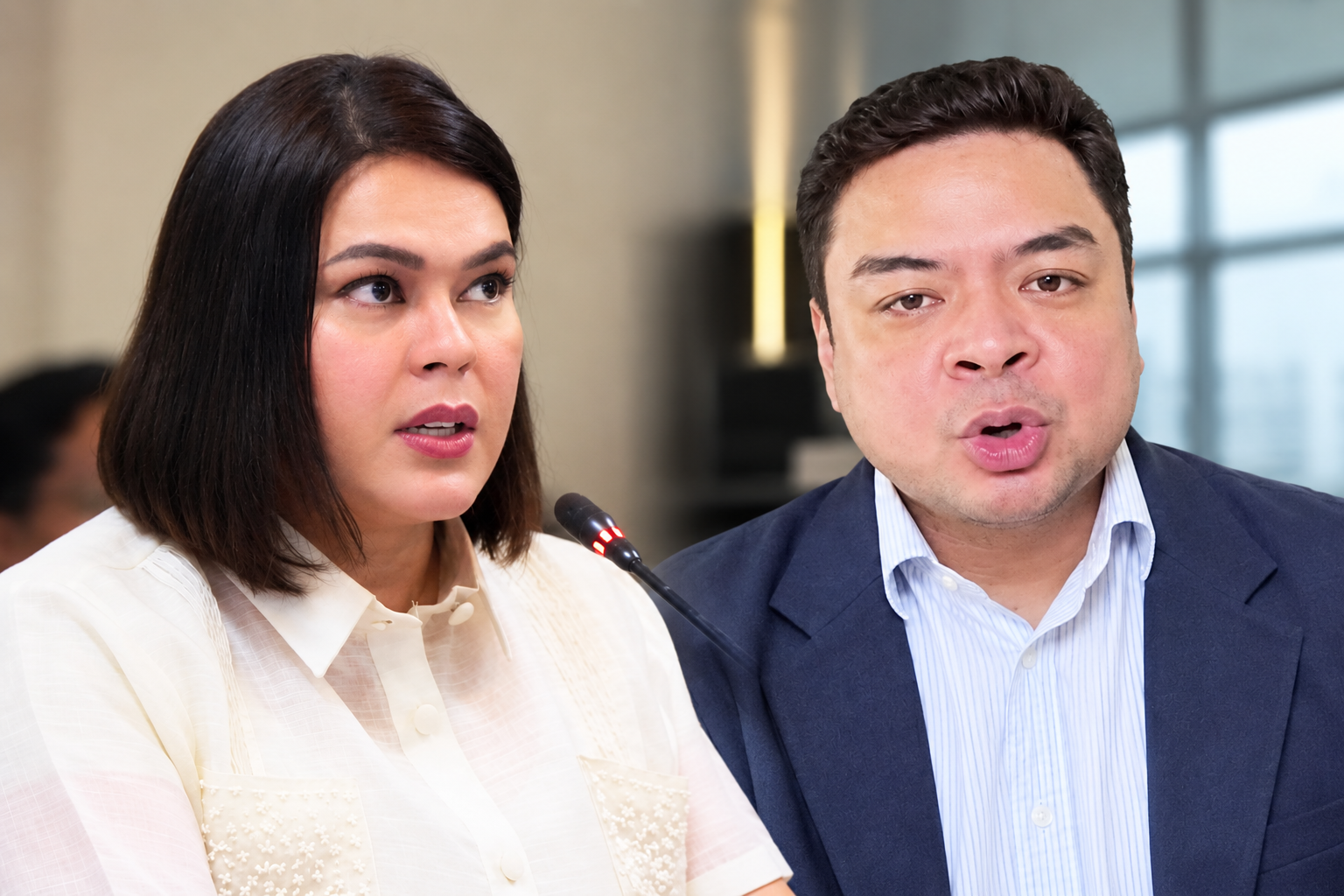
With Sen. Pia Cayetano taking the helm as chairperson, alongside vice chairpersons Sen Jinggoy Estrada and Sen. Rodante Marcoleta, the committee now carries a distinctly different political tone compared to its previous composition. The inclusion of senators perceived to be more independent-minded — and in some cases openly critical of certain government narratives — has sparked renewed public interest and cautious optimism.
For years, the Blue Ribbon Committee has been viewed as one of the Senate’s most powerful bodies. It has the authority to summon officials, scrutinize government transactions, and expose irregularities that may otherwise remain hidden behind bureaucracy and political protection. But critics have often argued that investigations sometimes became selective, politically charged, or conveniently silent on issues involving influential allies.
This new lineup changes the atmosphere.
The presence of figures such as Senators Imee Marcos, Bong Go, Robin Padilla, Mark and Camille Villar, and Chiz Ezcudero reflects a committee that many believe could steer investigations toward long-standing unresolved controversies — including flood control anomalies, questionable infrastructure spending, confidential fund issues, and other alleged abuses of public money.
Whether this optimism will translate into real accountability remains to be seen.
Filipinos have heard promises of transparency before. They have witnessed dramatic hearings, televised confrontations, and headline-grabbing inquiries that eventually faded without meaningful resolution. This is why the real challenge for the new Blue Ribbon Committee is not merely to investigate — but to prove that investigations will no longer be weaponized for politics nor restrained by political convenience.
The public now expects courage over spectacle, evidence over theatrics, and truth over scripted narratives.
If this committee succeeds in pursuing facts regardless of political affiliation, it could restore public confidence in the Senate’s role as a genuine check against corruption. But if it falls into the same cycle of selective outrage and political maneuvering, then this reshuffle will be remembered as nothing more than cosmetic change.
For now, the nation watches carefully.
And perhaps for the first time in a long while, many Filipinos are allowing themselves to hope that accountability may finally find its voice inside the Senate halls once again.■