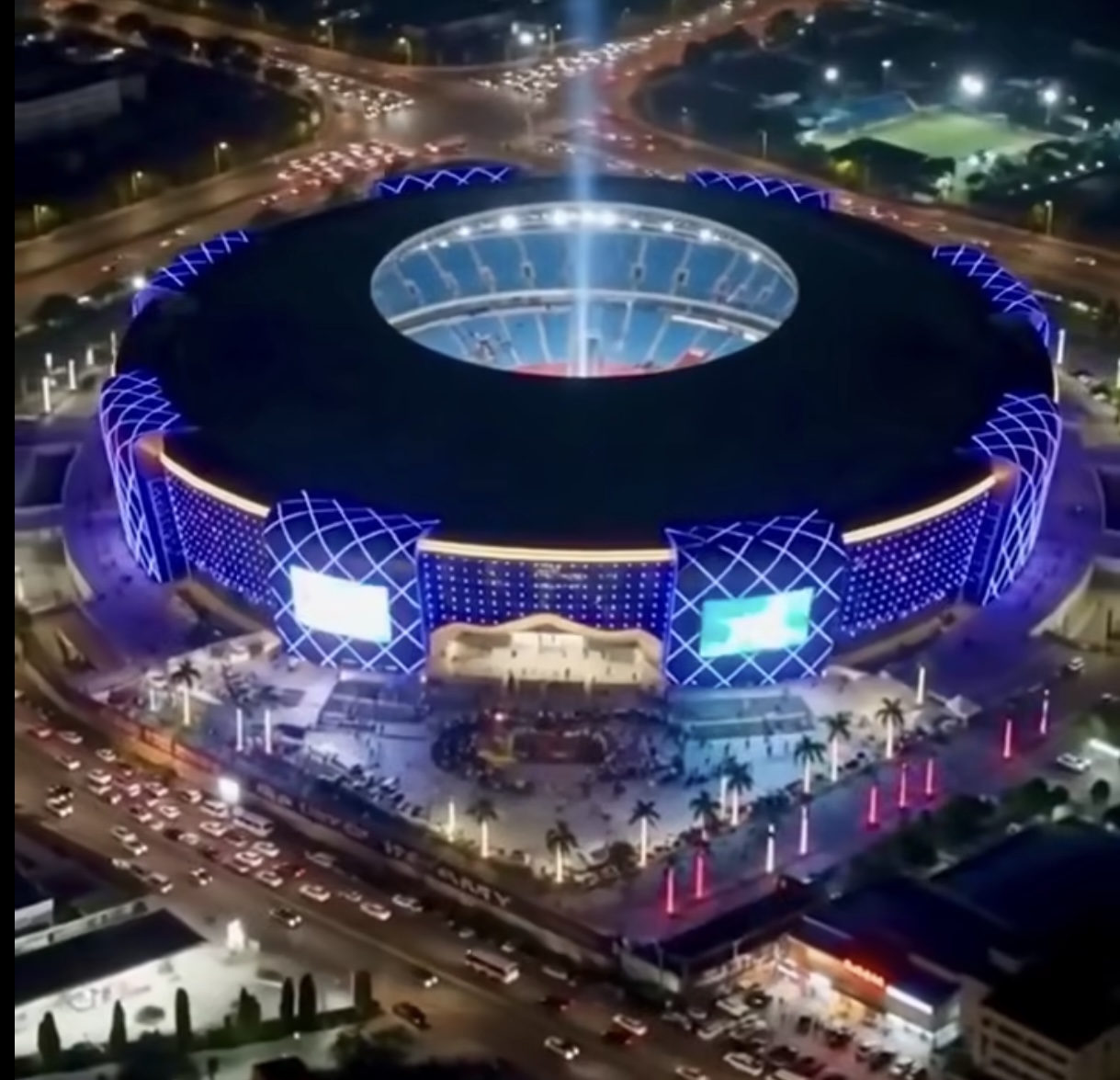

Not Everything in Davao City is perfect. We pride ourselves to be the most peaceful city in the Philippines and in many aspects always with the circle of three cities in Southeast Asia with positive attributes. Our slogan: “Life is here”.
That is as far as peace is concerned. The Duterte brand of leadership that gives no quarters to criminal elements and a uniquely disciplined population gave us the edge.
Davao City also made it to the top three honor rolls as the cleanest cities in Southeast Asia that include Singapore and Kuala Lampur.
The standards in the determination of the cleanest cities are based largely on strict waste management, maintenance of green ecological systems like Peoples Park, mini-forest parks, the greening of the city road center aisle and large scale conservation of the city watersheds among others.
But then there are other external factors that intervenes. Let us delve on that.
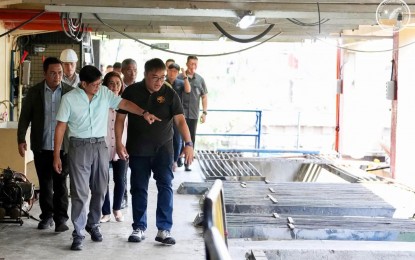
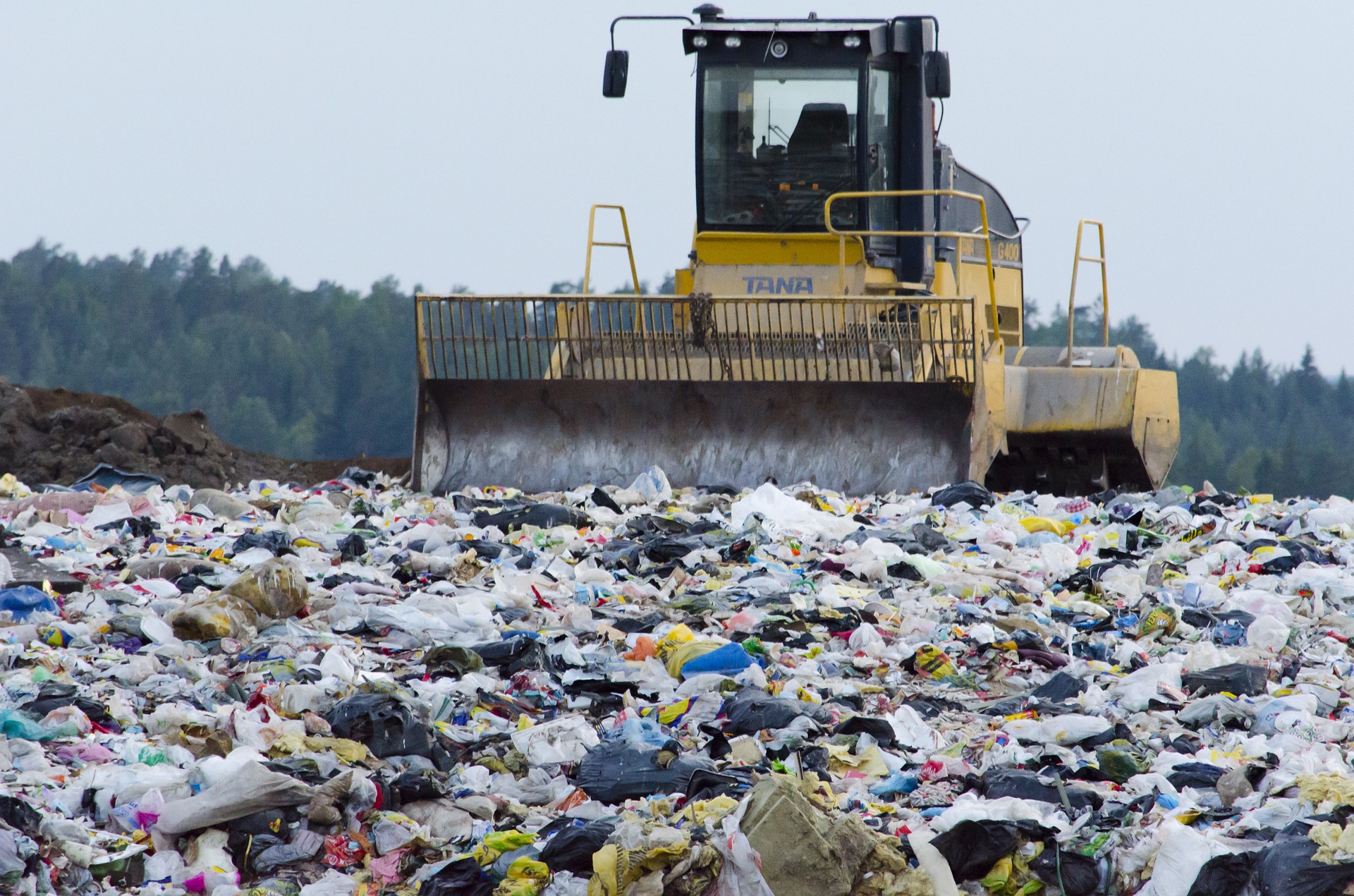
I personally doubt whether Davao City will again make it on the list of cleanest cities in Southeast Asia. For sometime now, the collection of garbage had been inconsistent following the collapse of the sanitary landfill in Barangay New Carmen. Last Wednesday piles of garbage remained uncollected after the DENR banned the City government from dumping waste in the landfill site until the soil and waste have stabilized. Meantime residential homes are advised to keep their waste.
Up to when will the garbage be picked up is now a guessing game since there is nothing perceptible coming from the City Council in terms of urgent and long term solution. Well, that is the public perception. The truth is the city government had done its best to restore the workability of the sanitary landfill event went all the way to relocate temporary settlers away from the vicinity of the area.
But DENR still put its foot against the resumption of the landfill operations. The breakdown of waste management is now looming to be a major health issue.
The intransigence of DENR has now mutate from environment issue into dubious politics. Let’s confront ourselves with the truth. Never mind the irrelevant character Antonio Trillanes who says that Davao City is a dangerous place. But for presidential Spokesperson Claire Castro to declare “Davao City is now the worse city to live, invest and travel in the country”, tells us that Malacanang will go the mile to place Davao City in the bad light.
Dealing Davao City with ZERO budget? We can live with that. Despite the desperate black propaganda against Davao City and the Duterte leadership we sleep soundly under the soporific climate of peace and wake up every morning ready for our daily chores. Every year is a banner year as big time investors came and competing against each other in terms of project designs, purpose and capitalization which are running to billions of pesos for each project. In brief nobody listens to putchist like Trillanes and green-eyed tenant in Malacanang.
For DENR to suspend the entire operation of the sanitary landfill for no obvious reason, is suspect. Like the uncollected garbage that now abound around the city, the DENR ban is reeking with diabolic political undertone. The DENR Secretary may have acted to agrandize himself to President but such action can only erode further the public trust on Marcos which is down in the dump at negative 15%.
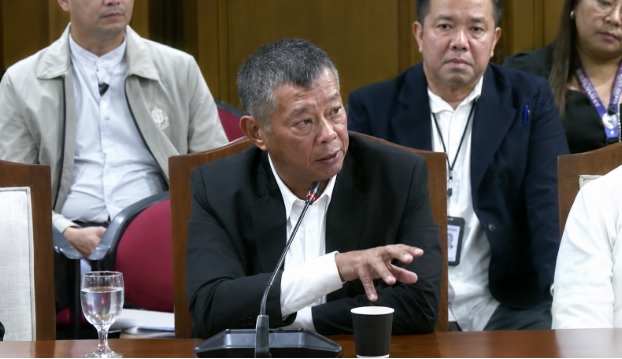
Whatever is the agenda of DENR, City Mayor Baste Duterte cannot wait in the bend. If the residents can no longer contain their patience, neither will Mayor Baste who announced to his constituents that DENR has not provided the city government a clear timeline for reopening. By midnight last Thursday he issued a stern statement:
“To manage waste collection moving forward, we have identified additional collection points, including one in front of DENR XI office, so they can personally appreciate the volume of garbage that
accumulates when an essential public service is halted indefinitely.
We are complying with all requirements. We only hope that decisions affecting around 750 tons of waste daily and nearly two million Dabawenyos are guided not only by regulations, but also by practical realities and common sense”.
Let’s face it. Davao City massive progress and development will not cease tomorrow. The city population increases along with the city’s economic growth.
As I write this, I recalled that City Mayor Baste Duterte had twice received a visiting envoy from Japan. Must have been just a casual visit considering that Japanese contractors have several infrastructures in finishing stages in Davao City. As an aside there was this prospect of Japan airline planning to have a direct flight to Davao which was at one time in the past is known as “Little Tokyo”.
I mentioned Japan because like Singapore, they had long transitioned from landfill to incineration to waste-to-energy. I remembered too, of a company that offers incineration to WTE at no cost to the city provided that the city government provide them a site where to establish the WTE complex and to be assured of volume of waste to insure the viability of the project.
The project did not materialize because of objections from pan-handling environmentalist NGOs. It is really unwarranted. For one the waste component in Davao City are largely made up of food and organic waste. Carbon dioxide released from these waste are neutral since it had been absorbed by vegetables, tree leaves , twigs, and trunks, and by grasses and released back to the environment if burned. Modern incinerators have evolved and captures harmful CO2 from plastics and other fossil products.
Today’s incinerators captures harmful carbon dioxide using wet scrubbing method that use wettable chemical solvents in a similar way as the green coal fired power plant of Therma South – the sister company of Davao Light & Power Company or maybe so.
Here are some data I picked from Google and my friend Meta AI:
- Japan has 991 waste incineration facilities nationwide, out of which 415 are equipped to generate electricity. Collectively, these facilities process large volumes of municipal waste and produce nearly 2,289 megawatts of baseload power.
- Germany operates over 150 thermal waste-to-energy (WtE) and thousands of biogas plants, processing millions of tons of municipal and agricultural waste annually. These facilities divert waste from landfills while generating electricity and district heating, forming a cornerstone of the country’s circular economy.
- Singapore, a city-state as big as the Island Garden City of Samal operates four waste-to-energy (WTE) incineration plants that process municipal solid waste to generate electricity.
And what about the Philippines? Not much to read about. Icineration is banned but only when it involves toxic materials like bio-medical wastes. In fact just recently the government has allowed the establishment of a WTE project in Capas, Tarlac following series of landslides in the landfill sites, a situation and predicament we presently have in Davao City.
Actually icineration technology has evolved and for cities like Davao with too much trash and landfills filling up, a clean WTE plant is often less damaging than another 20-year landfill, this according to my AI buddy.
I hope Mayor Baste invites Japan ambassador anew and talk about their WTE installations or better still, Japan invites our mayor to visit Japan’s Thermal Waste-to-Energy facilities.