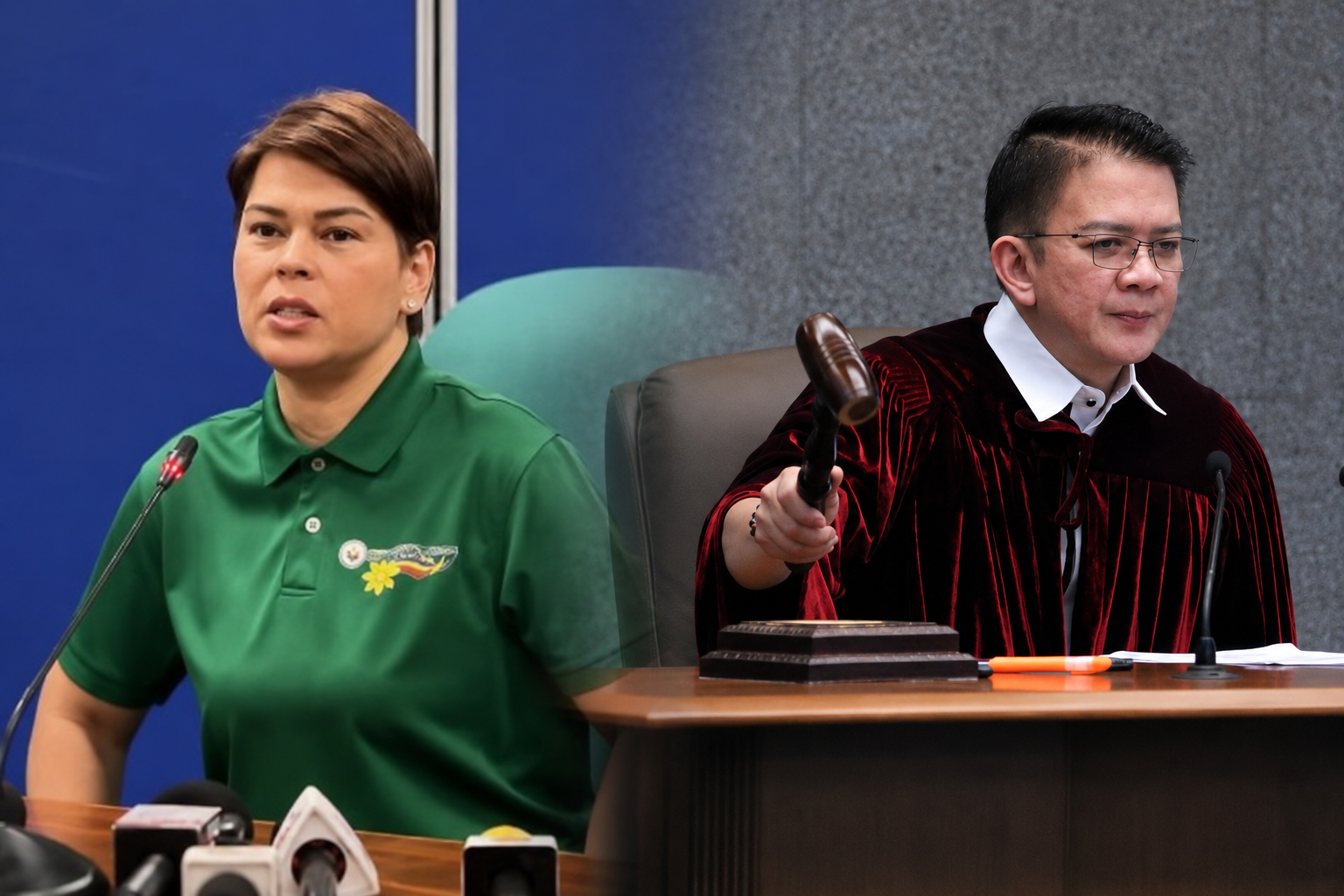
The impeachment trial of Vice President Sara Duterte is officially underway.


During the pretrial, both the Prosecution and the Defense indicated the number of days they would need to present their respective cases—at least 90 trial days combined
With the Impeachment Court setting three trial days each week, that translates to roughly 30 weeks, or about seven months of proceedings.
Many Filipinos will be glued to their televisions, laptops, tablets, and phones—and understandably so. This is the most consequential impeachment trial since that of President Joseph Estrada in 2000–2001, with the 2028 presidential election already looming on the horizon.
In the last 25 years, the country has witnessed three impeachment trials involving some of its highest-ranking officials: President Joseph Estrada in 2000–2001, Chief Justice Renato Corona in 2012, and now Vice President Sara Duterte.
In between, other officials were impeached, including Ombudsman Merceditas Gutierrez in 2011 and COMELEC Chairman Andres Bautista in 2017. However, neither case proceeded to trial because both officials resigned before the Senate could convene as an impeachment court.
An impeachment trial is both constitutional and political. It is sui generis—a proceeding unique unto itself.
But however one chooses to characterize the Sara Duterte impeachment trial, it will ultimately be decided in the realm of politics.
That reality was evident in the opening statements delivered by the lead prosecutor and the lead defense counsel.
The prosecution framed its case around accountability.
The defense anchored its case on alleged abuse of authority.
THE SPARKS THAT NEVER FLEW
Many expected explosive opening statements from both sides, particularly from the prosecution, that would dramatically frame the battle ahead.
Instead, the first day was marked by restrained rhetoric. The defense, in particular, offered a measured and methodical preview of what it intended to establish as the trial unfolds.

Much has already been said about the opening statements, and I will not add to that discussion.
My observation is this: while the prosecution was building its case in full public view during the Quad Committee and House Committee on Justice hearings, the defense was quietly building its own case from the moment it received a copy of the first impeachment complaint in December 2024. That complaint was later declared unconstitutional by the Supreme Court in a unanimous decision.
The present Articles of Impeachment, now before the Senate sitting as an impeachment court, substantially mirror the allegations contained in that first complaint.
In hindsight, the House prosecution panel may have unintentionally telegraphed much of its strategy, giving the defense a valuable head start. That advantage became evident in the manner by which the defense conducted its cross-examination of the prosecution’s first witness.
FIRST IMPRESSION
I was expecting a member of the House panel of prosecutors to be the first to present a witness. Instead, it was the panel’s counsel.
It does not reflect well when an impeachment case is prosecuted primarily by counsel rather than by the members of the House panel themselves. Doing so risks diminishing the proceeding’s gravity, sense of urgency, and the significance of its purpose.
That is why many political careers were made—or unmade—during the two previous Senate impeachment trials. Members of the prosecution and defense panel rose or fell based on the strength of their reasoning, the passion of their arguments, and the wisdom and credibility they projected before the nation.
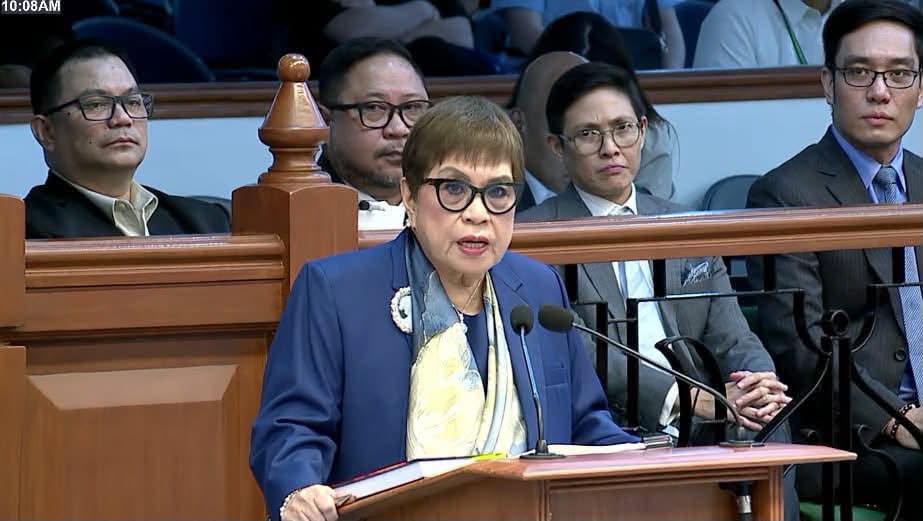
Private counsel Armando Virgil Ligutan came across as a competent private prosecutor, skillfully guiding his witness through a narrative that supported the grave threats allegations.
However, he fell short of establishing the witness’s qualifications as a digital forensic expert. In open court, the witness admitted to having only two weeks of relevant training.
Likewise, the prosecution did not adequately establish the witness as an expert investigator, as it failed to elicit testimony on how many high-profile cases the witness, NBI agent John Mark Calilung, had handled either as lead investigator or as a member of an investigative team. It was also not established how many of his investigations resulted in the filing of charges or convictions.
After more than 10 hours of cross-examination, it was established that Calilung was not a lawyer. He also acknowledged that he was a certified public accountant, one of the preferred qualifications for appointment as an NBI agent.
During direct examination, Calilung responded confidently to Ligutan’s questions. However, when asked about specific dates, he repeatedly referred to his notes although throughout his testimony on direct, he remained stoic, calm, and composed.
The overnight break in Calilung’s testimony gave the defense adequate time to challenge the integrity of his investigation and to question the sufficiency of his training and educational background as a digital forensic expert.
During cross-examination, the defense did not dispute the existence of the recorded press conference of Vice President Sara Duterte. Instead, it confronted the witness with several documents intended to cast doubt on his competence as both a forensic specialist and a seasoned investigator.
Under close scrutiny, weaknesses in the investigation became apparent. No complaint affidavit from the alleged subject of the threat was presented, nor was there any affidavit from the journalists who had reportedly been interviewed. Without his notes to rely on during spontaneous questioning by the defense, the witness struggled to recall dates, documents, and several seemingly minute but significant details.
Were his notes really notes taken over the course of investigation or in preparation to the hearing?
If the private counsel for the prosecutor did a good account of himself in Day 2, the Defense counsel did even better during the cross.
Without any overt effort, the defense is quietly generating its own evidence – even though none has been formally submitted.
From my vantage point, the first prosecution witness fell short – blind in the field where it counts. As an expert, he does not pass muster – his conclusions are thin, his methodology questionable.
Week one is done.