Photo courtesy: PTV

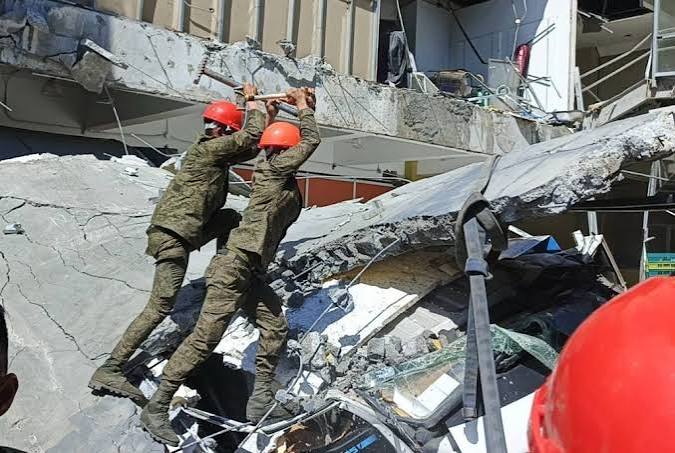
It has been almost a year since the devastating 6.9-magnitude earthquake struck Bogo City, Cebu, and only weeks since the powerful 7.2-magnitude earthquake off Sarangani shook communities in and around General Santos. What connects these two tragedies is not merely the force of nature—it is the recurring failure of governance.
If, after nearly a year, many families in Bogo and Medellen, Cebu continue to struggle without permanent homes and adequate healthcare, one cannot help but ask: “what awaits the victims of the recent earthquake in General Santos?”
Will they too be left to endure months—or even years—of uncertainty while government attention is consumed elsewhere?
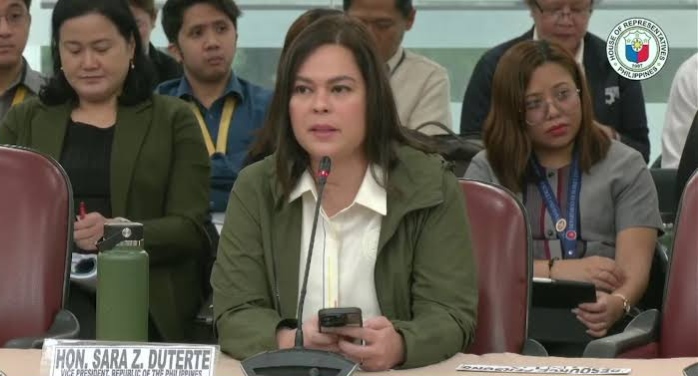
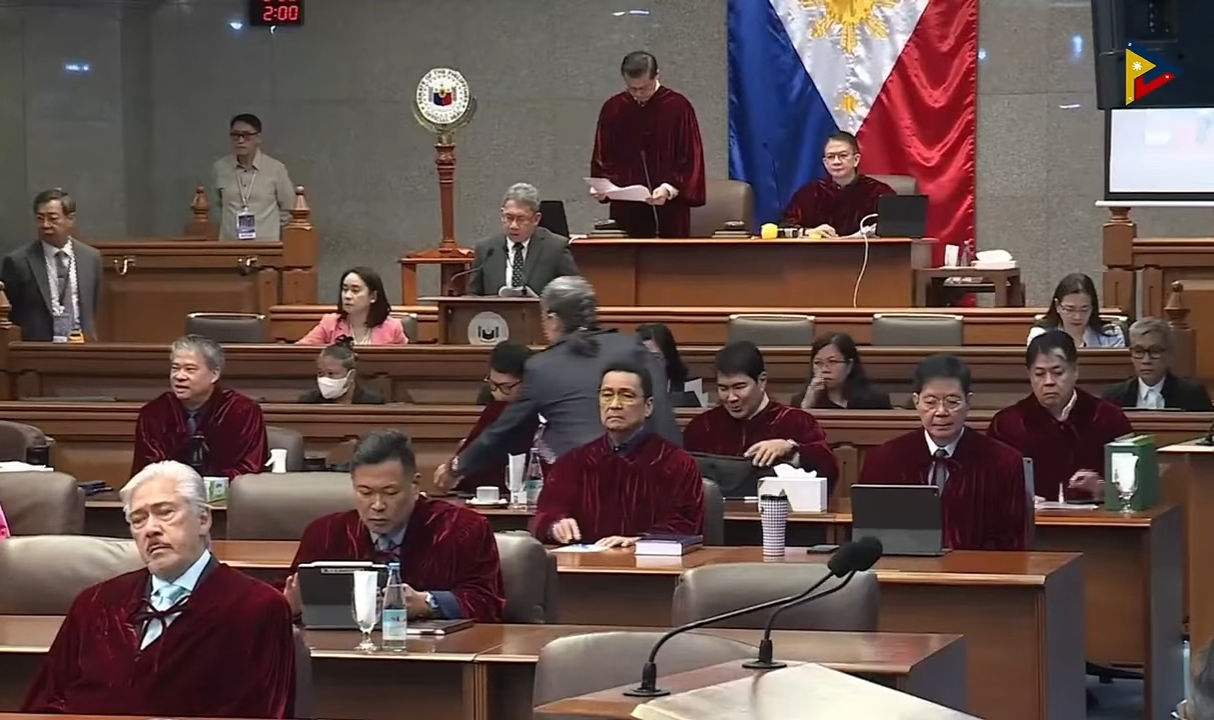
Nothing is more disheartening than seeing political conflicts appear to take precedence over the welfare of taxpayers. Public discourse has been dominated by allegations of corruption, controversial budget allocations, and accusations of selective justice, while countless disaster victims continue to wait for meaningful assistance. At a time when leadership should be focused on rebuilding lives, many Filipinos perceive that political survival has become the greater priority.
The growing public demonstrations by various religious groups and concerned citizens reflect a deeper frustration. Whether one agrees with their position or not, these gatherings underscore an undeniable reality: many Filipinos are questioning whether justice is being applied fairly and whether government institutions remain focused on serving the people rather than political interests.
Natural disasters test the resilience of a nation. Failed governance tests its conscience.
How much longer must earthquake victims endure homelessness before recovery becomes more than a promise? How much longer must children sleep in temporary shelters and elderly citizens suffer without adequate medical care? How much longer must ordinary Filipinos bear the consequences of both natural calamities and human shortcomings?
The true measure of government is not how well it survives political storms, but how faithfully it stands beside its people after real ones. A nation that cannot put its disaster victims ahead of political battles risks losing something far greater than public trust—it risks losing its humanity.
History will not judge this administration by the speeches it delivered or the political victories and manipulations it claimed. It will be judged by the families it left homeless, the children it failed to protect, the elderly it neglected, and by whether justice was dispensed equally or selectively. For when justice becomes selective, governance becomes oppressive—and when governance becomes oppressive, hope becomes the first casualty.
Earthquakes destroy buildings in seconds. “Selective justice” destroys public trust one decision at a time. The first can be rebuilt with concrete; the second can only be restored by equal justice, honest governance, and leaders who remember that public office is a public trust.