By Austin Ong,
Philippines China Friendship Society
Saying that China, its people, or its government is inherently racist toward Filipinos is an oversimplification and counterproductive to building international cooperation.
Of course there are individuals everywhere who hold prejudices, and any mistreatment should be acknowledged and addressed. But painting an entire country or its institutions with one broad brush ignores decades, if not centuries, of everyday cooperation, cultural exchange, and mutual accommodation between the Philippines and China, across various governments.
For years thousands of Filipinos have worked there as teachers, hospitality staff, marketing professionals, medical workers, musicians, and managers. These aren’t fringe roles — many require higher levels of trust, communication, and regular interaction with Chinese colleagues and clients. Societies that are broadly hostile usually don’t create long-term space for outsiders to build careers and be part of normal professional life.
Teachers are a clear example. In Chinese culture, teachers are highly respected. Thousands of Filipino teachers were hired not only by Chinese schools and tutoring centers for decades, but also welcomed into families, and trusted with their children’s education. That kind of everyday confidence is hard to reconcile with the idea that the Chinese are racist toward Filipinos.
During the pandemic, there were over 50,000 Filipino online teachers connecting with Chinese students daily. Even conservatively, that means hundreds of thousands of Chinese families were regularly engaging with Filipino teachers and depending on them to broaden their children’s skills and global outlook.
This openness wasn’t just private. During President Duterte’s term, the Chinese government arranged to hire 2,000 Filipino teachers directly, and officials even talked about much larger potential demand of over 100,000 as policies evolved. Given China’s own domestic employment needs, offering additional opportunities to foreign teachers signals goodwill and cooperation more than racial animus.
The same pattern shows up in other areas. Hundreds of thousands of Filipino domestic workers and caregivers in greater China serve as helpers and informal educators who influence children’s formative years. Yes, there are stories of poor treatment—just like from other countries—but these are more the exception than the norm. On weekends and holidays tens of thousands of Filipinos hang out in public areas, even with their makeshift tents and cooking apparatus, without experiencing any mistreatment simply for being Filipino.
Sometimes Filipinos are replaced in certain jobs by other nationalities or local hires. That’s not automatically racism; economies shift, skill needs change, and employers adapt for many reasons—cost, language, regulations, or technology. A more constructive response is to focus on upskilling and keeping Filipino workers competitive through government and private-sector training, rather than jumping straight to charges that damage neighborly ties.
Listen to a Filipino teacher who have lived and worked in China for years.
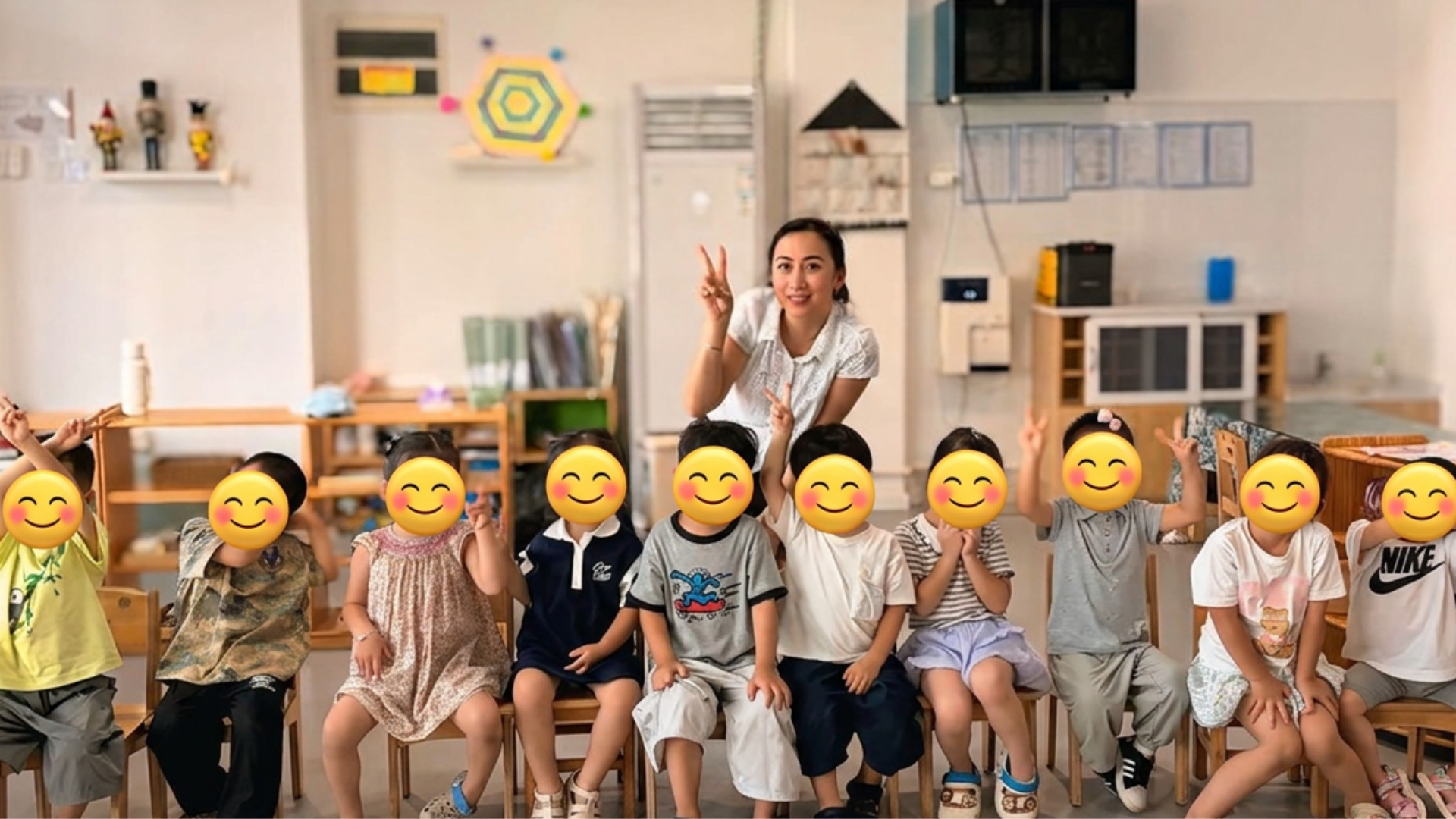
“Teacher K in China” teaches in a kindergarten in Changsha, the third most populous city in Central China that also holds an important place in the founding of Modern China. Her blog has garnered over 31,000 followers, where she regularly receives dozens of inquiries from Filipinos on how to avail of opportunities to work in China.
In her own words:
Foreign teacher is respected in school without discrimination whatever your race or nationality is. Still the best part, actually it got better because now I get to spend a lot of time with the parents of my students even during weekends. They regularly invite me for coffee, lunch, dinner and even hiking!
During the pandemic, many Filipinos in China also saw local care firsthand: host families checked on them, shared food and supplies, and helped them navigate lockdowns. Some Filipinos volunteered to help local communities and coordinate support for fellow foreigners. Those acts build lasting goodwill. For many Chinese families, Filipinos are remembered as trusted teachers, reliable neighbors, and positive contributors to daily life. That’s the kind of image worth preserving.
We should support our leaders in handling real political disputes. But it’s also important not to let geopolitics overshadow people-to-people ties—especially with a large neighbor that has consistently extended help to the Philippines when it mattered.
More mutual helps between China and the Philippines spanning centuries, including how China continues to honor a 600-year tomb of Sultan of Sulu in the province of China, will be shared in the next article, stay tuned!