
Economic optimism must be matched by economic honesty
There is nothing wrong with a President being optimistic about the country’s economy. Confidence matters. Investors need it, businesses need it, and ordinary Filipinos certainly need something to believe in.
But optimism has one limitation: “It cannot change the numbers.”
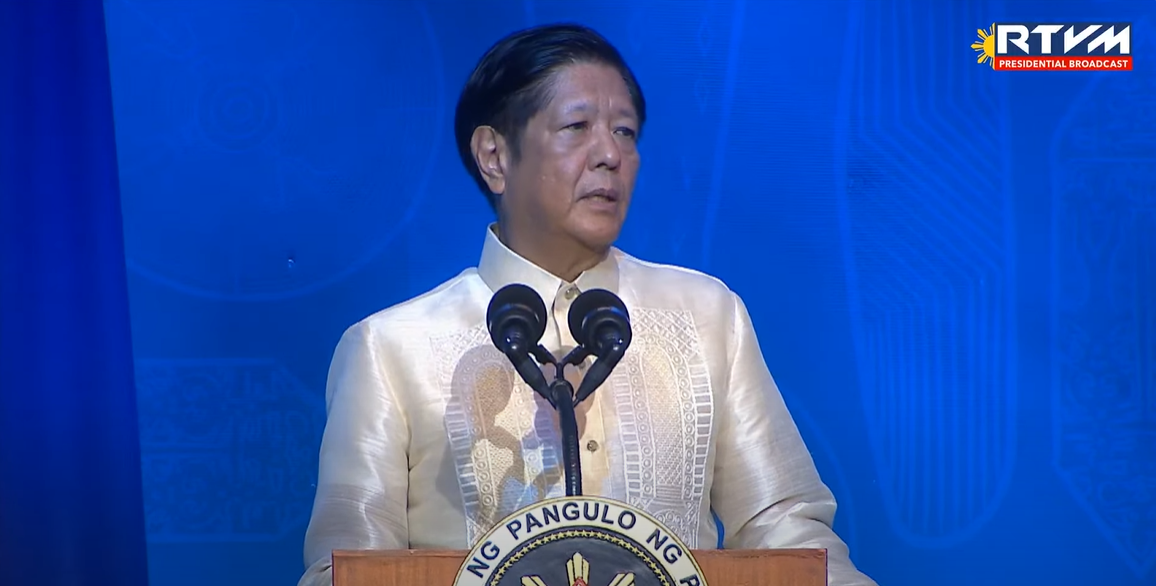
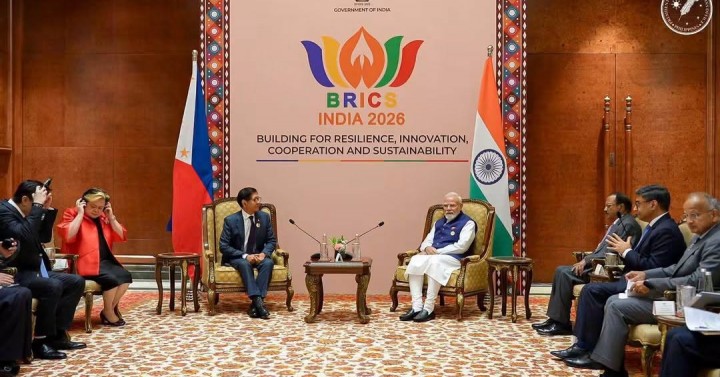
During his recent BRICS participation, President Ferdinand Marcos Jr. projected confidence in the Philippine economy and its prospects. The administration has likewise emphasized investment opportunities and measures to accelerate government spending.
But how does that optimism compare with the economic indicators confronting the country?
The Philippine Statistics Authority reported that GDP grew by only 2.3 percent in the second quarter of 2026. Gross capital formation—a measure closely associated with investment—contracted by 9.2 percent, while industry declined by 2.4 percent.
Inflation, meanwhile, stood at 6.1 percent in August. Unemployment was around 6 percent in July.
These figures do not mean that the Philippine economy has collapsed. It is still growing.
But neither do they paint a picture that ordinary Filipinos would readily describe as “healthy.”
And this is where government must be careful.
Who is briefing the President—and is he/she being given the complete picture?
The issue is not whether the President should remain optimistic. He should. The issue is whether that optimism is being informed by all the numbers, including the uncomfortable ones.
Because GDP growth is one thing. What matters to ordinary families is whether their income is keeping pace with prices, whether jobs are available, whether businesses are expanding and whether their purchasing power is improving.
Government should therefore present both sides of the economic story—the achievements and the weaknesses, the opportunities and the risks.
That is not pessimism. That is economic honesty.
Investments announced during international summits are welcome. But investment pledges must eventually become actual projects; projects must create jobs; and jobs must translate into better lives.
At the end of the day, the most important economic indicator is not found in a presidential briefing room.
It is found in the Filipino household.
“Kumusta ba talaga ang buhay nammtin?”
The President may have every reason to remain confident. But confidence must walk hand in hand with candor.
Because an economy does not become healthy simply because we call it healthy.
It becomes healthy when the numbers improve—and when ordinary Filipinos finally feel that improvement in their lives.