“Authority Is Not a License to Humiliate”

There is something deeply troubling when a person entrusted with the power of the people forgets the very people from whom that power came.
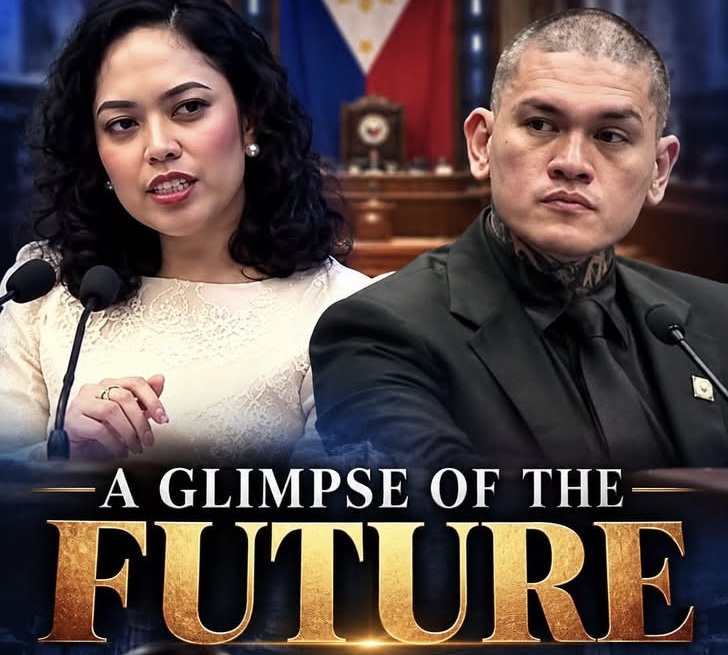
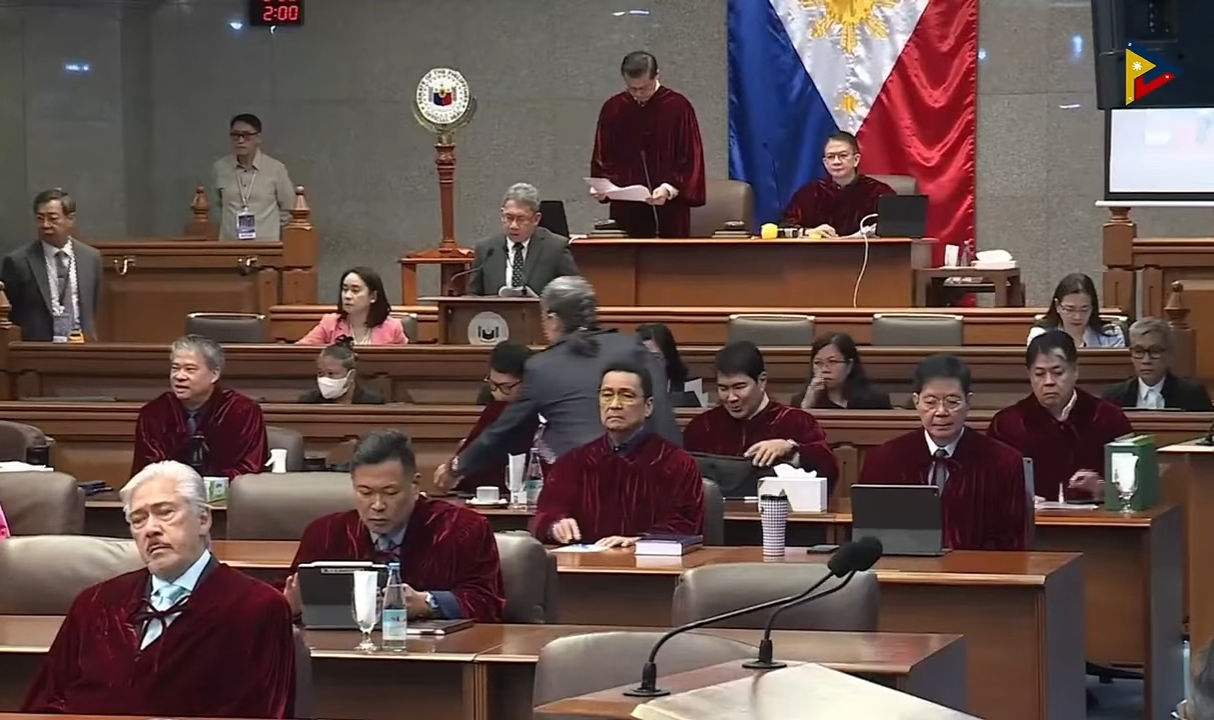
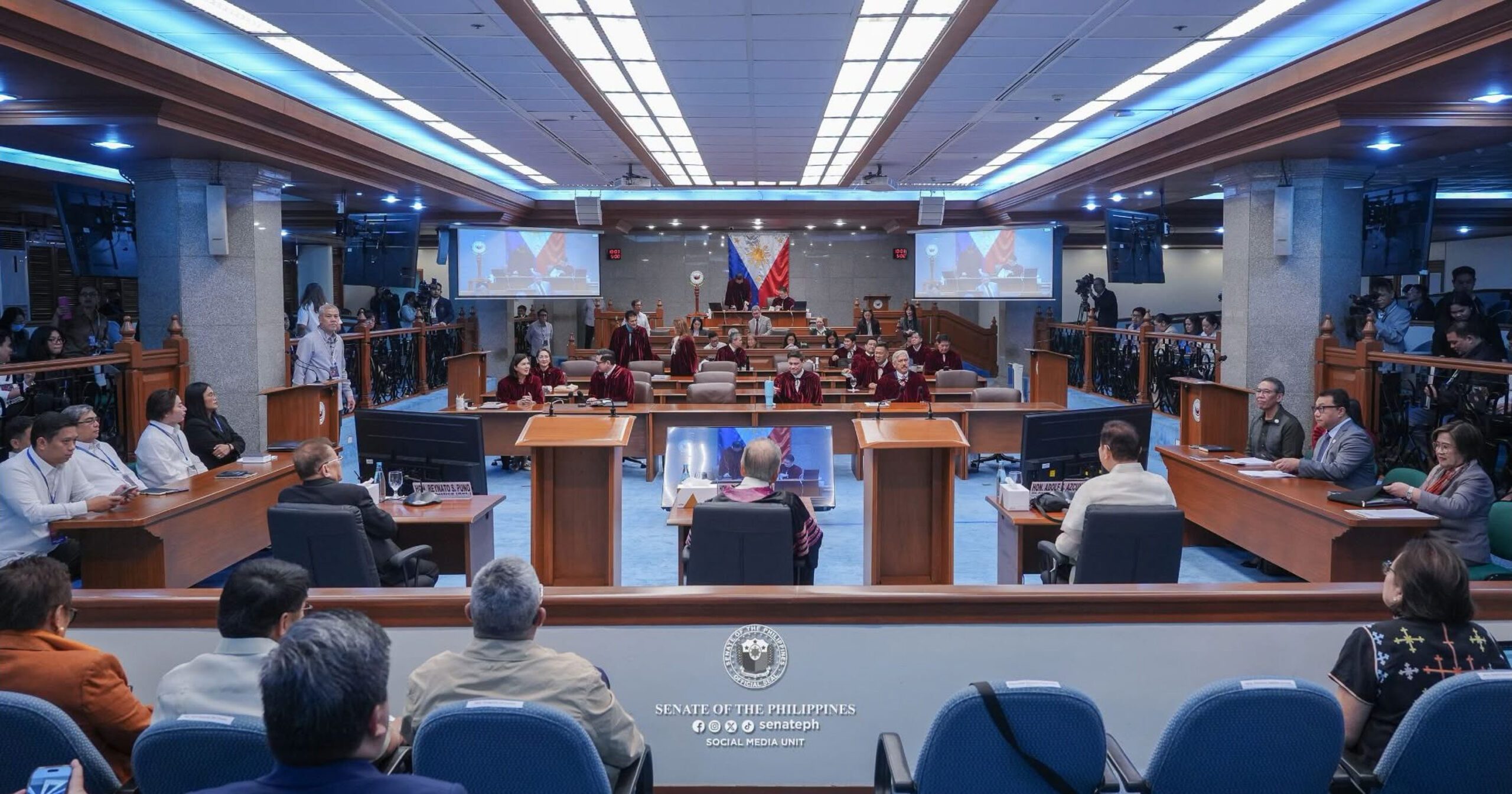
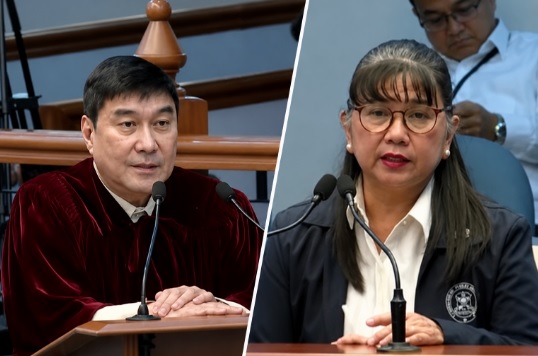
Recent televised impeachment proceedings have once again placed the conduct of our elected officials under the public microscope. Senator Raffy Tulfo’s repeated branding of a witness as “stupid” during a nationally watched proceeding has drawn widespread public criticism—not simply because of the word itself, but because of what it represents: “the dangerous normalization of arrogance, humiliation, and disrespect inside an institution that is supposed to embody accountability and justice.”
Let us be clear: a senator has every right to ask difficult questions. A hostile witness may be challenged. Contradictions may be exposed. Evasive answers may be confronted. Truth must be pursued relentlessly.
But there is a line between firm questioning and personal degradation.
That line must never disappear simply because the person holding the microphone carries the title of “Senator.”
An elected official does not become greater than the citizen because he or she occupies a powerful chair. In fact, public office demands the opposite. The greater the authority entrusted to an individual, the greater the responsibility to exercise that authority with restraint, dignity and humanity.
“Public office is not ownership. It is stewardship.” (Bear that in ming Sen.Tulfo)
Every salary received by an elected official ultimately comes from OUR TAXES‼️
Every privilege attached to public office exists because the people entrusted them with authority. Every government institution exists to serve the public—not to intimidate it.
And therefore, when a citizen appears before a government proceeding, that citizen does not surrender his or her dignity at the door.
A witness may be questioned. A witness may be challenged. A witness may even be held accountable if evidence warrants it.
But “being a witness does not strip a person of constitutional rights, human dignity, or basic decency.”
We must also remember something painfully human: not every person who smiles is okay.
A witness may appear composed while carrying problems that the public cannot see. A person may be worried about a sick spouse, struggling with family problems, frightened about an uncertain future, or emotionally exhausted—and still manage to stand before the nation and answer questions.
We should never mistake composure for the absence of pain.
And perhaps this is where our public discourse has become dangerously desensitized.
We have become so accustomed to political confrontation that insults are sometimes treated as entertainment. We laugh at humiliation. We applaud aggression. We confuse shouting with strength and arrogance with authority.
That should concern every Filipino❗️
Because if we allow elected officials to believe that their position gives them permission to humiliate others, what happens when ordinary citizens are the ones standing before them?
If a powerful witness can be publicly demeaned because an official dislikes her answers, what protection remains for an ordinary Filipino who has neither power, money nor political influence?
This is why the issue deserves more than social-media outrage.⁉️
If the conduct appears inconsistent with the ethical standards expected of a senator, then let the appropriate Senate body examine it.
“Investigate it fairly. Establish the facts. Determine whether rules or ethical standards were violated. And if accountability is warranted, impose it.” (attn: Ethics Committee)
Not because we hate the senator.
Not because we support the witness.
But because “institutions become stronger when even powerful people are accountable for their conduct.”
Our country does not need elected officials who merely know how to exercise power.
We need public servants who know how to restrain power. (Sen. Tulfo, does it ring a bell?)
We need leaders who can disagree without insulting.
Leaders who can interrogate without humiliating.
Leaders who can expose contradictions without destroying dignity.
Leaders who understand that firmness does not require cruelty.
And above all, leaders who remember that behind every witness, every complainant, every respondent and every ordinary citizen is a HUMAN BEING deserving of respect.
“The people did not elect their representatives to become masters of the people.
They elected them to become servants of the people.” (points to ponder Sen. Tulfo)
That distinction must never be forgotten.
So this is not merely a message to one senator.
It is a warning—and a reminder—to “every elected official in this Republic:”
Your position is temporary.
Your title is temporary.
Your power is temporary.
But the dignity of the people you serve is permanent.
“Do not allow the power entrusted to you by the people to become the very thing that makes you forget them.”
And when power forgets humility, it is the people who must remind it:
We elected you.
We pay your salaries.
We entrusted you with our government.
But we did not surrender our dignity.
May every public servant remember that before the title, before the position, before the privilege and before the power—
“you are there because the people placed you there.”☝️
And the people have every right to demand not only accountability from their leaders, but also humanity.
Because when morality becomes a laughingstock inside the halls of power, it is not only one witness who is humiliated.
“It is the dignity of public service itself.”🔥