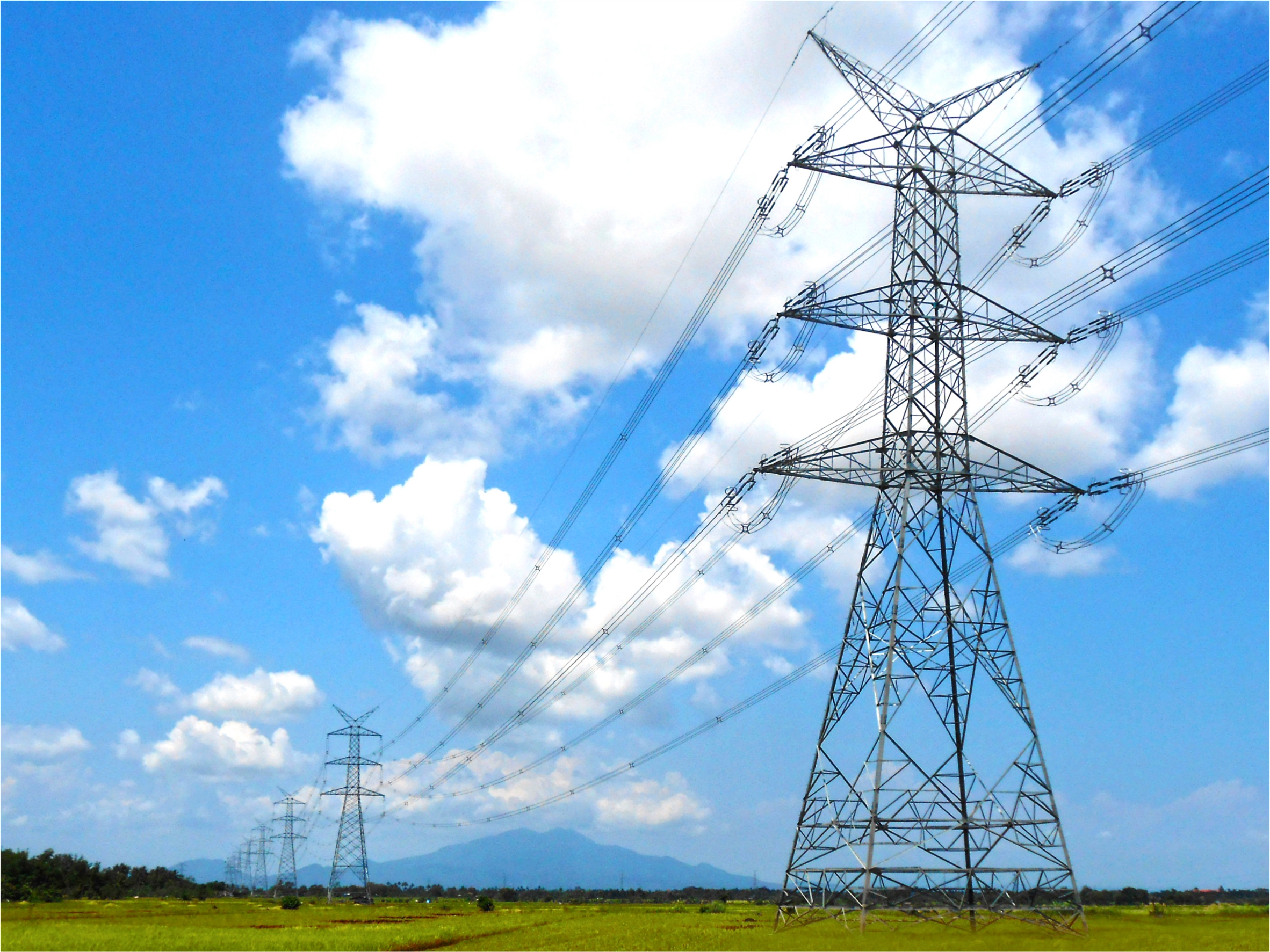
Photo:NGCP
By Ivy Tejano
DAVAO CITY – The Department of Energy confirmed on Wednesday, that the Mindanao power grid has returned to normal operating conditions, with sufficient generation capacity to meet electricity demand and maintain reserves through the rest of 2026.
Speaking at the Wednesday’s Media Forum at Ayala Malls Abreeza on Sept. 13, Dr. Erick George Uy, chief of the Energy Utilization Management Division of the DOE-Mindanao Field Office, said that the grid returned to normal conditions as of September.
Uy said the DOE does not expect yellow or red alerts for the remainder of the year as long as normal operating conditions continue and no major generating plants experience significant unplanned outages.
As of September, he said, Mindanao’s average available generation capacity stood at about 3,226 megawatts (MW), compared with an average demand of around 2,451 MW. This resulted in an average gross reserve of approximately 755 MW.
The figures indicate that available generation is sufficient to meet demand and maintain a reserve margin.
Darwin Galang, chief of the DOE-Mindanao Field Office’s Electric Power Industry Management Division, earlier reported that peak demand reached 2,464 MW on Sept. 15, against available capacity of 2,807 MW.
The highest demand recorded so far this year was 2,775 MW on May 12, Galang said.
Mindanao nevertheless experienced several yellow and red alerts from Aug. 10 to Sept. 12 despite having sufficient installed generation capacity. The alerts were linked to reduced available reserves caused by scheduled maintenance and unexpected breakdowns at major power plants.
Galang said several generating facilities were scheduled for preventive maintenance from August through October. He added that the situation was compounded by forced outages of units not originally scheduled for maintenance.
Four major generating plants that were forced out of service had a significant impact on the grid’s available capacity, Galang said.
Power supply conditions began improving after several units returned to service, including GNPower Kauswagan Ltd. Co. Unit 3 on Sept. 13 and Therma South Inc. Unit 2 on Sept. 14.
Most plants undergoing forced or preventive maintenance are expected to resume operations by the end of September or the first week of October, according to Galang.
The DOE and the Energy Regulatory Commission (ERC) are also inspecting plants that experienced outages to verify reported conditions and determine whether additional measures are necessary.
Uy said the supply outlook is expected to strengthen further as new generation projects are scheduled to come online in Mindanao between 2026 and 2031.
The DOE has identified 30 committed projects with a combined capacity of about 1,323.915 MW and 37 indicative projects totaling approximately 3,256.98 MW.
Together, the projects represent more than 4,500 MW in potential additional capacity, with renewable energy accounting for about 90.26 percent of the combined committed and indicative projects.
Uy said the DOE is issuing Certificates of Energy Projects of National Significance to qualified projects to help speed up the processing of permits, clearances, and other government requirements.
The department has also formed an ad hoc task force on energy supply and project monitoring in coordination with the ERC to track developments in Mindanao’s power sector.
An Ad Hoc Committee on Transmission Projects was also created to help the National Grid Corporation of the Philippines (NGCP) address concerns that may delay the construction and completion of transmission facilities.
Regarding complaints about electricity rates, Uy said these matters are within the jurisdiction of the ERC, a separate quasi-judicial agency from the DOE responsible for regulating them.
In a separate media briefing at The Royal Mandaya Hotel on Wednesday, NGCP also reported that Mindanao’s power situation had stabilized following the return of coal-fired generating units that had been forced offline.
Milfrance Capulong, NGCP regional corporate communications and public affairs officer, said the affected units had synchronized with the grid and that electricity demand had eased.
The return of the units has restored sufficient reserves to help the system withstand unexpected outages, Capulong said.
She explained that NGCP operates, maintains, and develops the country’s transmission network and delivers electricity from generating facilities to distribution utilities and large industrial users.
Capulong said Mindanao had stabilized after the affected generating units returned from a forced outage the previous week. She added that Mindanao’s situation differs from that of the Visayas.
However, surplus power from Mindanao may be transmitted to the Visayas through the Mindanao-Visayas Interconnection when excess capacity is actually available.
Electricity demand is expected to rise during the “ber” months and the Christmas season due to higher industrial consumption, holiday lighting, and other seasonal activities.
Capulong said current projections indicate that Mindanao should have enough supply through the end of the year, given the continued availability of coal-fired and other generating units.
However, she said future grid alerts cannot be completely ruled out, particularly if major generating facilities suffer unexpected outages.
Uy said the DOE’s initial simulation indicates that Mindanao could maintain stable grid operations through 2027 under normal conditions, particularly if major generating plants avoid further unplanned shutdowns.