
WEATHER is influenced largely by wind directions. Westerly, which I think is known in Tagalog as “hanging kanluran” is from the western rim of the Pacific. From way back in college, we were told that Davao Region to include Surigao provinces has Type IV climate. Meaning it has no definite rainy or hot season. Rainfall is more or less evenly distributed throughout the year.
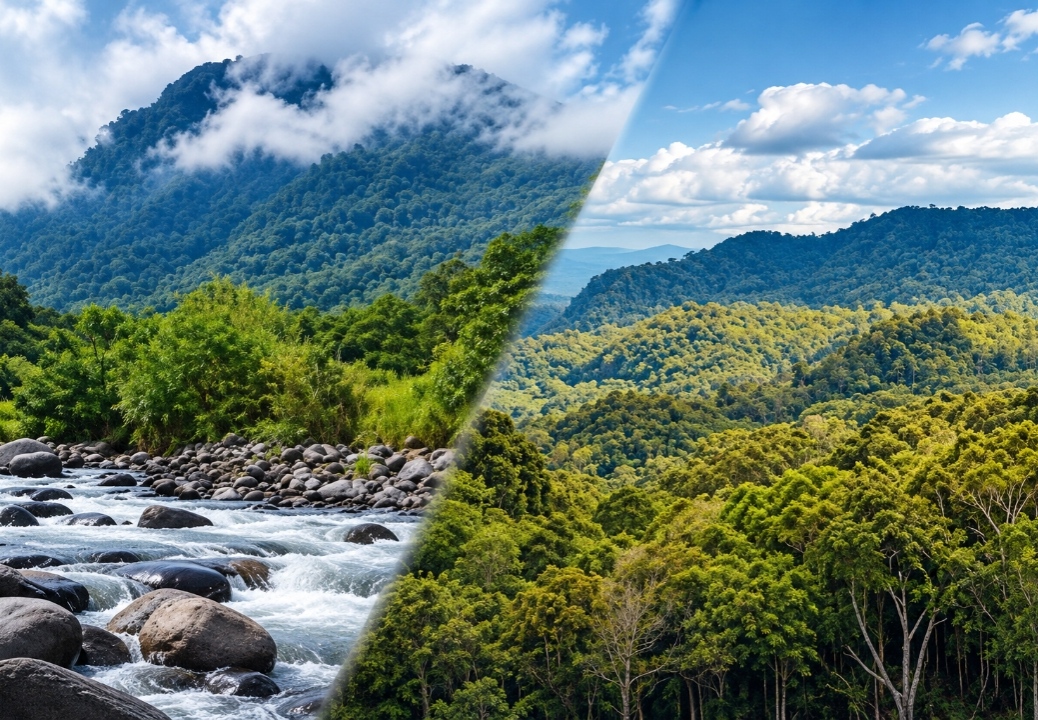
That is why for several consecutive days now, many parts of Davao City have been experiencing heavy rainfall, especially in our protected watersheds that also serve as the recharge areas of our vital aquifers and rivers.
That rain is not just weather — it is water security.
Our Davao City Water District derives no less than 400 million liters of water daily from underground — from more than 70 deep wells. That water did not fall yesterday. That water fell 10, 20, maybe 30 years ago in Malagos, in Talomo, in Panigan and the foothills of Mt. Apo, seeped through forest humus and basalt, then finally stored in our aquifers.
The watershed is also the recharge zone of our Tamugan and Panigan rivers, which today has the capacity of 300 million liters per day of treated surface water under the DCWD Bulk Water Project with Apo Agua. That volume is only 30 percent of what the National Water Resources Board allows DCWD to draw. We have a buffer — but only if the watershed holds.
Years back, before DCWD harnessed the surface water of Tamugan and Panigan, DCWD undertook what many forgot — a massive tree planting activity specifically in Mt. Tipolog, which is the recharge area of the twin rivers, Malagos and the Talomo watershed that recharges the aquifers in Barangay Dumoy and environs.
And DCWD did not do it alone. They partnered with the indigenous tribes in guarding the reforested areas. Instead of driving them away, DCWD encouraged them to shift to agroforestry — coffee, cacao, rubber trees — instead of vegetables. Vegetables need clearing, tilling, exposed soil. One heavy downpour, soil erodes, flash flood in Mintal, silt in the river. Coffee and cacao hold the soil, keep the canopy, keep the sponge.
The major and most successful reforestation undertaking of DCWD was dubbed “Adopt a Tree” program which many corporate establishments and individuals participated.
That is the real palliative measure against a long dry spell. Not balde.
Other countries build desalination plants, build terraces, pay farmers before drought hits. We in Davao already have our own model: protect Mt. Tipolog, protect Talomo-Lipadas. Guard the recharge protected watersheds.
El Niño may warm the central Pacific and steal our rain clouds toward Latin America. That is the Walker Circulation. In a Type IV climate, we may still get rain today in Calinan, heavy at that. But if the watershed is bald, that rain will not become groundwater. It will become flood in Matina, then gone to the sea in one afternoon.
Today it rains. Tomorrow our children will drink what we saved today.
If we cut Mt. Tipolog, we cut our own water for 2040.