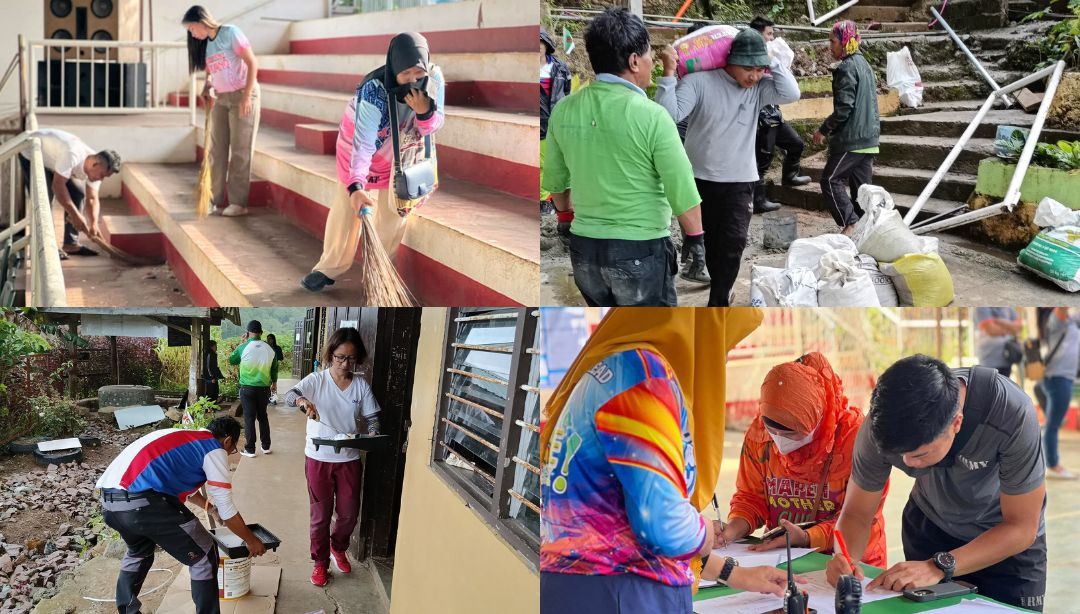
As schools across the country open their gates for the annual Brigada Eskwela, Filipinos once again witness the remarkable spirit of bayanihan. Teachers, parents, students, civic groups, and volunteers gather to clean classrooms, repair facilities, repaint walls, trim overgrown grounds, and prepare schools for the opening of classes.
On the surface, Brigada Eskwela is a celebration of community involvement. It showcases the willingness of ordinary citizens to contribute their time, effort, and resources for the welfare of the nation’s children.
But beneath this inspiring display of volunteerism lies an uncomfortable question: Why has this become necessary year after year?
Stories abound of teachers soliciting donations for paint, carpentry materials, cleaning supplies, gardening tools, brooms, and even the simplest necessities needed to make schools functional.
Many educators spend their own money or seek assistance from private individuals just to ensure that classrooms are ready for learners.
Parents, meanwhile, are often expected to render labor during Brigada Eskwela. While many willingly participate out of concern for our children’s education, the reality remains that they are filling a gap that government funding should have already addressed.
The Philippines allocates hundreds of billions of pesos annually to education, making it one of the largest recipients of the national budget. Yet countless public schools continue to struggle with inadequate maintenance funds, insufficient facilities, and shortages of basic resources.
This raises a troubling concern: Where are the taxpayers’ hard-earned contributions going?
If public funds were managed efficiently, transparently, and honestly, Brigada Eskwela could focus solely on strengthening community partnerships rather than compensating for deficiencies in government support. Teachers would no longer need to beg for supplies. Parents would not feel compelled to shoulder responsibilities that should have been adequately funded by the state.
The annual dependence on donations and volunteer labor highlights a deeper issue—the persistent failure of public institutions to provide what schools need despite the enormous resources entrusted to them.
Meanwhile, allegations of corruption continue to plague various sectors of government. Reports of ghost projects, anomalous infrastructure programs, and questionable expenditures repeatedly make headlines. While public servants entrusted with public funds should be ensuring that every peso benefits the people, many Filipinos perceive that resources are instead being diverted away from essential services such as education.
The greatest irony is that the burden falls on those least responsible for the problem. Teachers sacrifice. Parents contribute. Communities volunteer. Children endure the consequences.
Brigada Eskwela remains a beautiful expression of Filipino solidarity and civic spirit. But it should never become an excuse for government neglect
Bayanihan should complement effective governance—not replace it.
The day Brigada Eskwela becomes a voluntary celebration rather than a necessity born from chronic shortages will be the day taxpayers can truly say that their hard-earned money is working for the people it was intended to serve.
This observation does not attack volunteerism itself. Filipinos are rightly proud of the spirit of bayanihan. The real question is whether that spirit is being relied upon to compensate for deficiencies that should have been addressed through proper budgeting, procurement, maintenance, and accountability.