Believe it or not, but this is the first time that a city has become a favorite destination of foreign diplomats.
Davao City is about 960 air-miles from Malacañang. It is awe-inspiring, therefore, to see Ambassadors visiting Davao City and paying courtesy calls to Mayor Sebastian “Baste” Duterte, who must be bewildered by the visits of diplomats from so many countries. The most recent of them were US Ambassador Lee Lipton, Belgian Ambassador Vladislava Iordanova, and Dutch Ambassador Roderick Wols.
Foreign diplomats from other European countries also came with a common agenda ranging from trade and investment to strengthening bilateral relations with Davao.
Last January, China Ambassador Jing Quan paid a courtesy call to Mayor Baste, and their talks revolved around trade, infrastructure support, people-to-people exchanges, peace-building initiatives, local-level cooperation, and meaningful bilateral relations. Ambassador Jing’s visit is about the most significant call.
Davao has been favored with special assistance from China, among them the Bucana Bridge that spans the coastal boulevard at the mouth of Davao River. It’s actually a gift from China. It was constructed by China Roads and Bridges Company, the same company that is constructing the Davao-Samal Connector Bridge.
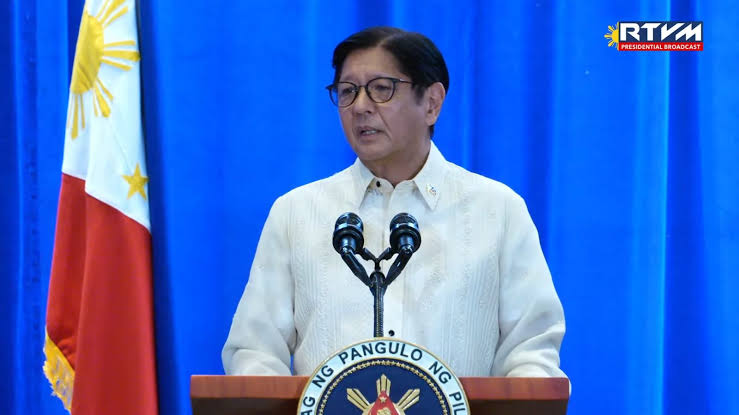
Last week, President Marcos was on Facebook directing the DPWH to fast-track the construction of the bridge. He is not aware that CRBC is on top of it. The DPWH role is menial. Before that, the government counterpart fund was restructured on order of Marcos. These are part of a petty scheme of impressing the public that the bridge, just like Bucana, is a Marcos legacy.
The bridge, by the way, is a ₱20.8-billion infrastructure project primarily funded through an Official Development Assistance (ODA) loan from China covering about 90% of the cost. The remaining 10% is shouldered by the Philippine national government. It is a concessionary loan with a 7-year grace period. This contract was signed in 2021 during PRRD’s term.
Friendly relations with other countries will not hurt. The rattling for war, like what Defense Secretary Gibo Teodoro and his disciple Jay Tarriela of the Philippine Coast Guard do, does not rattle China. It severely harms the economy.
Although quite late, Gibo was reminded by DFA Secretary Theresa Lazaro that “foreign policy is no free-for-all and diplomacy with Beijing is not a one-man show.” Obviously fed up with Teodoro’s incendiary rhetoric, 23 business organizations, including the Philippine Chamber of Commerce and Industry and the Foundation for Economic Freedom, issued a statement calling for a stop to his hardline stance and his “calls for businesses to decouple from China.”
If President Marcos is sensitive and hears the admonition, he should fire Gibo pronto. But then, we don’t know whether he tolerates his Defense chief with stoic acquiescence.
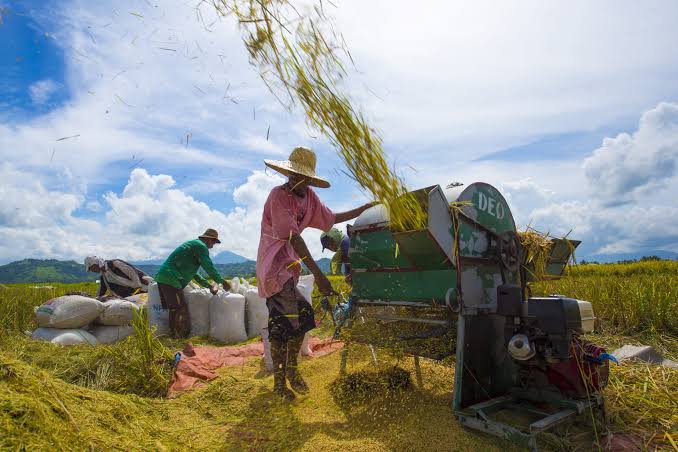
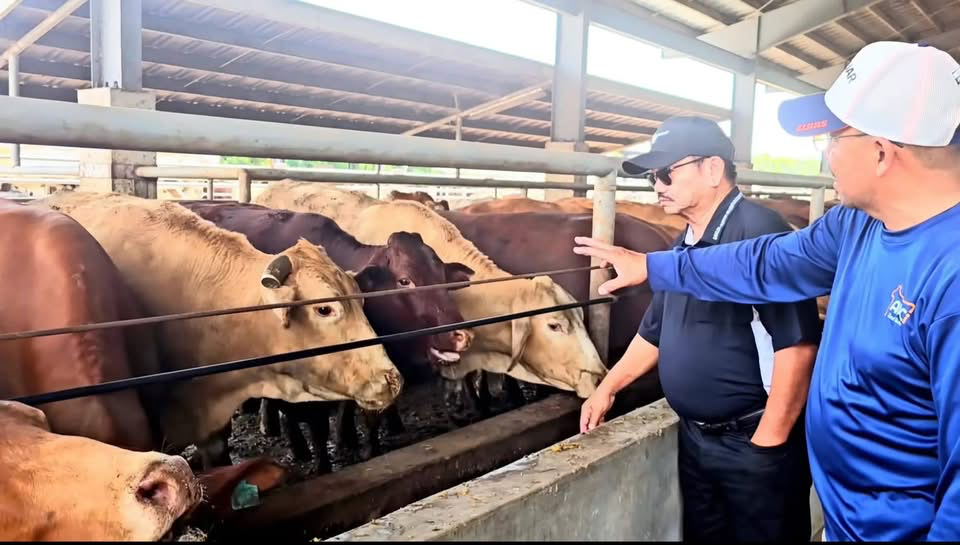
Back to Davao City, the independent foreign policy of the local government has literally borne fruits. In a trade festival in China, Davao City durian growers and exporters garnered multi-million-dollar spot orders. Earlier, Mayor Baste proudly announced that Davao will be exporting 30,000 pieces of buko (fresh young coconuts).
Domestic investors have joined the queue of capitalists that already made headways ahead of the rest. People are surprised by the unprecedented influx of investors, but when you reckon with the number of foreign dignitaries flying south to talk about investment possibilities and deeper and meaningful relationships, that means confidence in the economic potentials and in the brand of leadership that presides and steers the city to the status it has achieved.
Davao has made it to the top 10 cities in the country. But it stands alone as the city in the Philippines which excels along with other cities in the world where the living conditions are far superior than the rest.
I am not saying that. Numbeo, the world’s largest crowd-sourced database of consumer prices, real property prices, and quality-of-life metrics, did. In its recently released data, Davao City has the cheapest rents, restaurants, and groceries compared to London, Dubai, New York, Berlin, Barcelona, Tokyo, and Rio de Janeiro (which is cheaper by 2% in the area of groceries).
No one can question the interest of foreign diplomats, investors, and traders in Davao City — and neither can one argue with Numbeo.