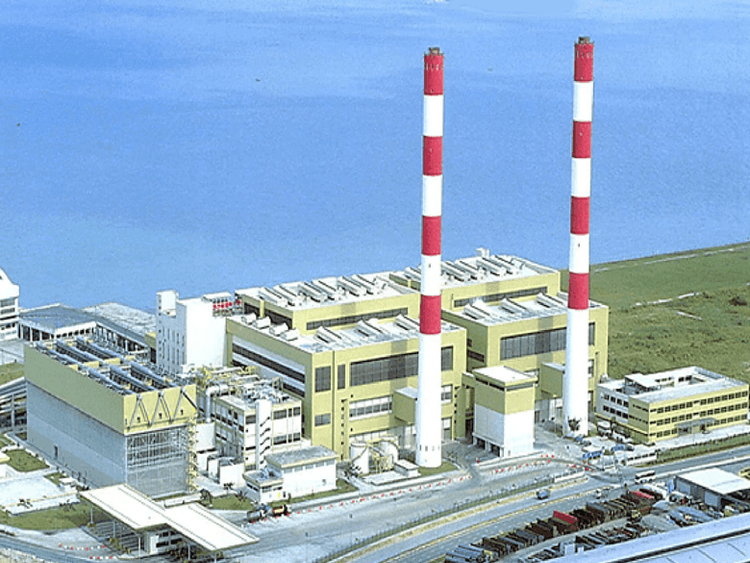
* IDIS opposition dismissed, proponents cite Japan and Singapore with 380 and four WTE projects respectively
By Ivy Tejano
DAVAO CITY — The Davao City Government has been named among the potential winning bidders in the Department of Energy’s first-ever waste-to-energy (WTE) auction, advancing its proposed P5-billion to P7-billion waste-to-energy project to the next stage of evaluation.
In a media release dated November 3, 2026, the DOE identified nine potential winning bidders for 12 projects, with a combined offered capacity of 428 megawatts (MW), under its Special Green Energy Auction for Waste-to-Energy (Special GEA-WTE).
The city government is among the listed bidders, offering 11 MW for its proposed WTE facility.
However, the DOE clarified that inclusion in the list does not constitute a final award.
According to the agency, potential winning bidders have 30 calendar days from the posting of the notice of award to submit the required post-auction documents before the agency can issue their Certificates of Award.
These include an undertaking to deliver the committed electricity capacity, a performance bond, and applicable grid impact study documents.
The proposed facility is planned for Barangay Biao Escuela in Tugbok District.
It is designed to process approximately 600 tons of municipal solid waste daily and generate an estimated 13 MW of electricity, with about 2 MW expected to be consumed by the facility’s own operations, leaving a net output of around 11 MW for the power grid.
Councilor Temujin Ocampo, chairperson of the Committee on Environment and Natural Resources, earlier said the city was targeting completion of the project between 2028 and 2029, depending on the procurement and construction process.
Ocampo said the project is being pursued in partnership with the Japanese government under an existing agreement.
The city has also approved a P11-million bond in connection with its participation in the DOE auction.
Despite the project’s progress, environmental concerns remain among local advocacy groups.
Interfacing Development Interventions for Sustainability (IDIS) has reiterated its opposition to the proposed incineration facility, citing potential health and environmental risks and concerns that it could undermine the city’s efforts to promote waste reduction, recycling, and a circular economy.
During a Davao Security and Peace Press Corps conference on October 7, IDIS Executive Director Atty. Mark Peñalver questioned the city’s reliance on incineration as a waste management solution.
“With waste-to-energy incineration, we are just encouraging people to generate more waste, no, to feed our waste-to-energy facility,” Peñalver said.
The group also raised concerns over the potential release of toxic substances, including dioxins and furans, and called on the city government to strengthen the implementation of Republic Act 9003, or the Ecological Solid Waste Management Act of 2000.
The position of IDIS however is being dismissed by proponents citing Singapore as having four WTE installations and Japan, an extremely health-conscious country, with having 380 WTE facilities.
IDIS has urged the local government to prioritize waste segregation, establish operational materials recovery facilities (MRFs) across the city’s 182 barangays, and enforce the “no segregation, no collection” policy.
Meanwhile, the DOE said the implementation of the selected WTE projects would still depend on compliance with post-auction requirements and on securing reliable waste supply arrangements, financing, permits, environmental compliance, and grid connections.
Energy Secretary Sharon Garin emphasized that inclusion in the auction is only the beginning of the process.
“Securing a place in the auction is only the beginning. Project developers must meet the required conditions and demonstrate their readiness to deliver. Our priority is to ensure that these commitments translate into actual projects that serve the public,” Garin said.
The proposed Davao facility is among the projects expected to contribute to the country’s electricity supply while providing an alternative treatment option for suitable municipal solid waste.