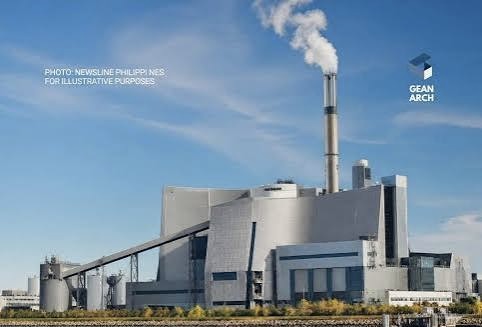
DAVAO CITY – Davao City is targeting to complete its proposed waste-to-energy (WTE) facility by 2028 to 2029, with the project expected to generate about 13 megawatts of electricity, a city official said on Friday.
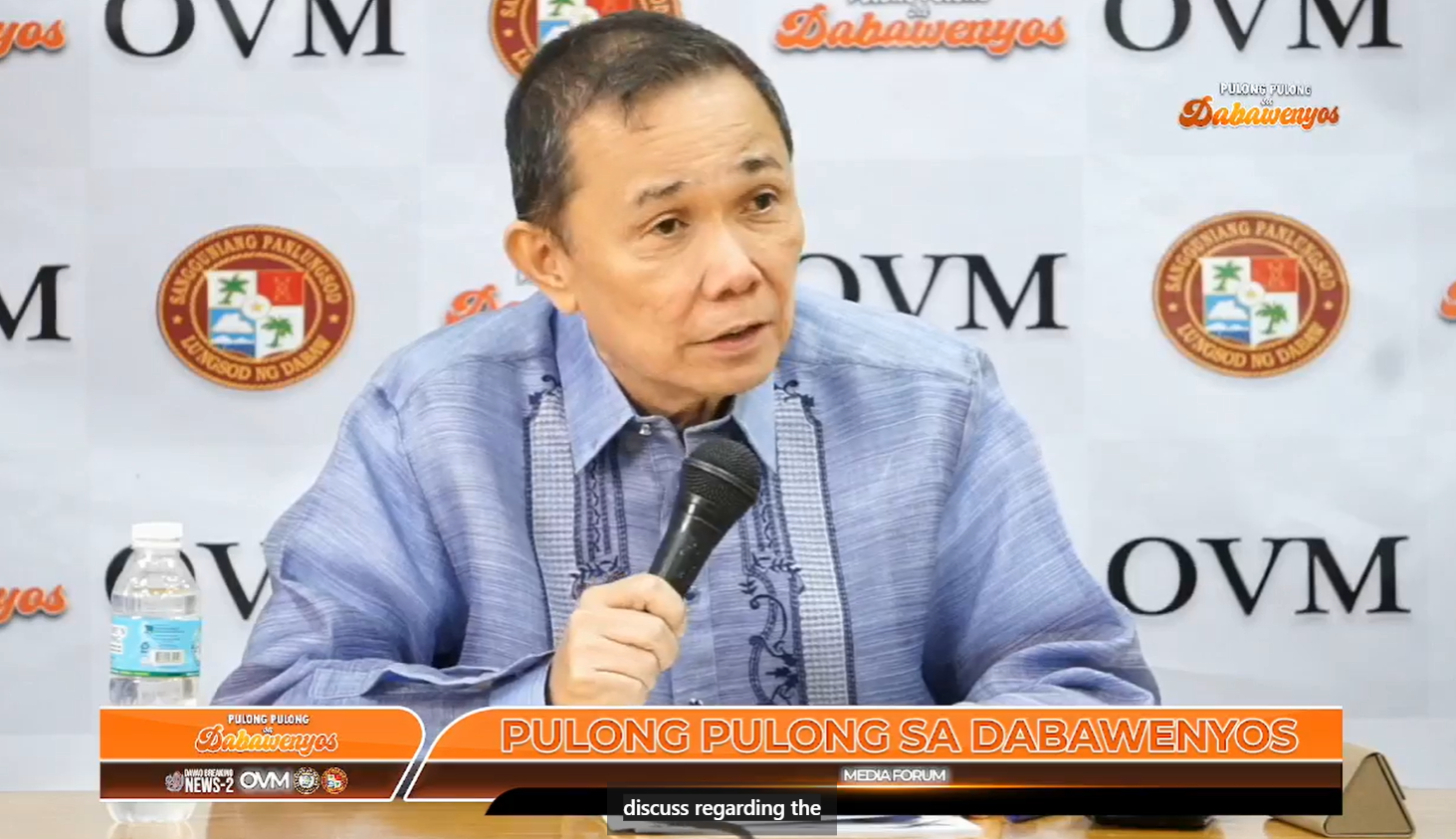
Speaking at Isyu Karon at The Royal Mandaya Hotel, Councilor Temujin Ocampo, chairperson of the Committee on Environment and Natural Resources, said the city continues to work with the Japanese government under their existing memorandum of agreement for the project. Ocampo said the proposed facility is planned for an approximately nine-hectare site provided by the city.
He added that the project is awaiting the Japanese side’s handling of the bidding process before construction can begin. “The facility is expected to have a gross generating capacity of about 13 megawatts, with roughly 2 megawatts for its own operations, leaving an estimated 11 megawatts for net output,” Ocampo told the media. He said the project timeline will depend on the procurement and construction process.
The City Council has also approved a P11-million bond related to the city’s participation in the Department of Energy’s auction mechanism for WTE facilities. Ocampo said the amount is equivalent to about P1 million per megawatt based on the facility’s projected 11-megawatt net output. He described the bond as a participation guarantee that would allow the city to join the DOE’s special auction for WTE projects. “If the city does not win or advance in the bidding, the bond would be refundable,” Ocampo said. “If the bid succeeds, the amount would become a performance bond tied to the project’s completion.”
Ocampo emphasized that proper waste segregation will be essential once the WTE facility becomes operational. He explained that the plant would require suitable feedstock with adequate calorific value and a relatively dry and combustible composition. Food waste, wet materials, and certain medical wastes, he said, should not simply be fed into the facility.
He emphasized that food waste may instead be composted or processed by specialized third-party facilities, while hospital waste must be treated separately by qualified facilities. “The households should begin with basic segregation,” Ocampo said, encouraging everyone to separate recyclable materials such as cardboard, paper, and plastics so these can be recovered or sold rather than sent to disposal facilities.
Aside from reducing the amount of waste sent to landfills, Ocampo said that recovering recyclable materials could provide additional income for waste workers and waste pickers. Only waste that can no longer be reused, recycled, composted, or otherwise recovered should be sent for final disposal, he said.
Ocampo said the city will coordinate with the Department of Environment and Natural Resources (DENR) and the Environmental Management Bureau (EMB) to monitor emissions from the proposed facility. He specifically cited dioxins and furans as pollutants that would require close monitoring.
The councilor said continuous emissions monitoring systems used in other industrial facilities could serve as a model for the WTE plant, enabling regulators to identify potential emissions issues and require corrective measures.
As part of preparations for the project, Ocampo said city officials and their Japanese counterparts have visited WTE facilities in Japan and observed communities located near the plants. Ocampo said the visits allowed the city’s officials and Japanese partners to examine existing facilities and nearby communities as they prepare for the proposed project. (By Ivy Tejano) –