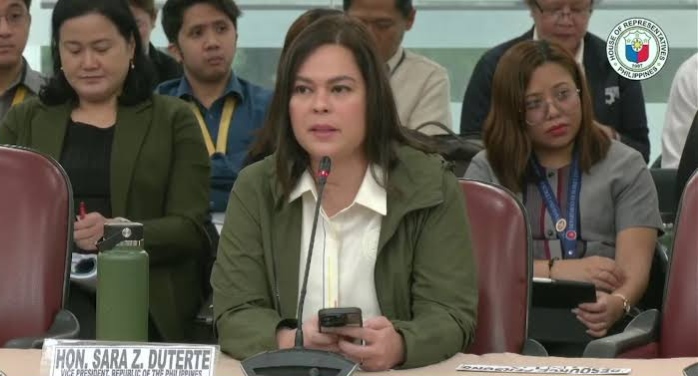

In Philippine politics, loyalty has always been a flexible currency—rarely rooted in principle, often dictated by survival. Today, as the groundswell of support continues to build behind Vice President Sara Duterte, a familiar pattern is beginning to emerge: the silent migration of political figures toward perceived power.
This is not ideology. This is not conviction. This is political opportunism in its purest form.
With the current administration facing mounting criticism over corruption allegations, economic strain, and governance failures, the writing on the wall is becoming clearer by the day. In such an environment, any candidate anointed by the administration risks becoming politically radioactive—burdened by association rather than buoyed by support. For many politicians, especially within the House of Representatives of the Philippines, aligning with such a weakened force is not just unattractive—it is, as many would privately admit, political suicide.
And so, the pivot begins.
Local leaders and national figures alike are now positioning themselves closer to the Vice President Sara—not necessarily out of belief in her platform, but out of calculated self-preservation. The goal is simple: remain relevant, remain electable, remain in power. In provinces like Davao del Norte, where political tides are keenly felt, this shift is expected to be even more pronounced.
But here lies the uncomfortable truth: many of those now preparing to stand beside the Vice President are the very same individuals who once turned their backs on the Duterte name when it was politically expedient to do so. During moments of controversy—particularly during past impeachment efforts—some were quick to distance themselves, if not outright oppose, the Duterte camp. Today, as public sentiment shifts, so too does their allegiance.
This is not reconciliation. This is reinvention.
For Vice President Duterte, the challenge ahead is not merely to consolidate support—but to scrutinize it.
“Not all who come bearing endorsements come with loyalty. Political opportunists are adept at reading the winds, but they are equally quick to abandon ship when the tide turns.”
The Filipino electorate, too, must remain vigilant. Popularity should not become a magnet for opportunism unchecked. If anything, it should demand higher standards—forcing leaders to prove that their support is anchored in principle, not convenience.
Because in the end, the real danger is not just the presence of political opportunists—but their normalization.
“When loyalty is transactional and principles are negotiable, governance becomes fragile, and public trust becomes the ultimate casualty”.