Photo courtesy: PNA
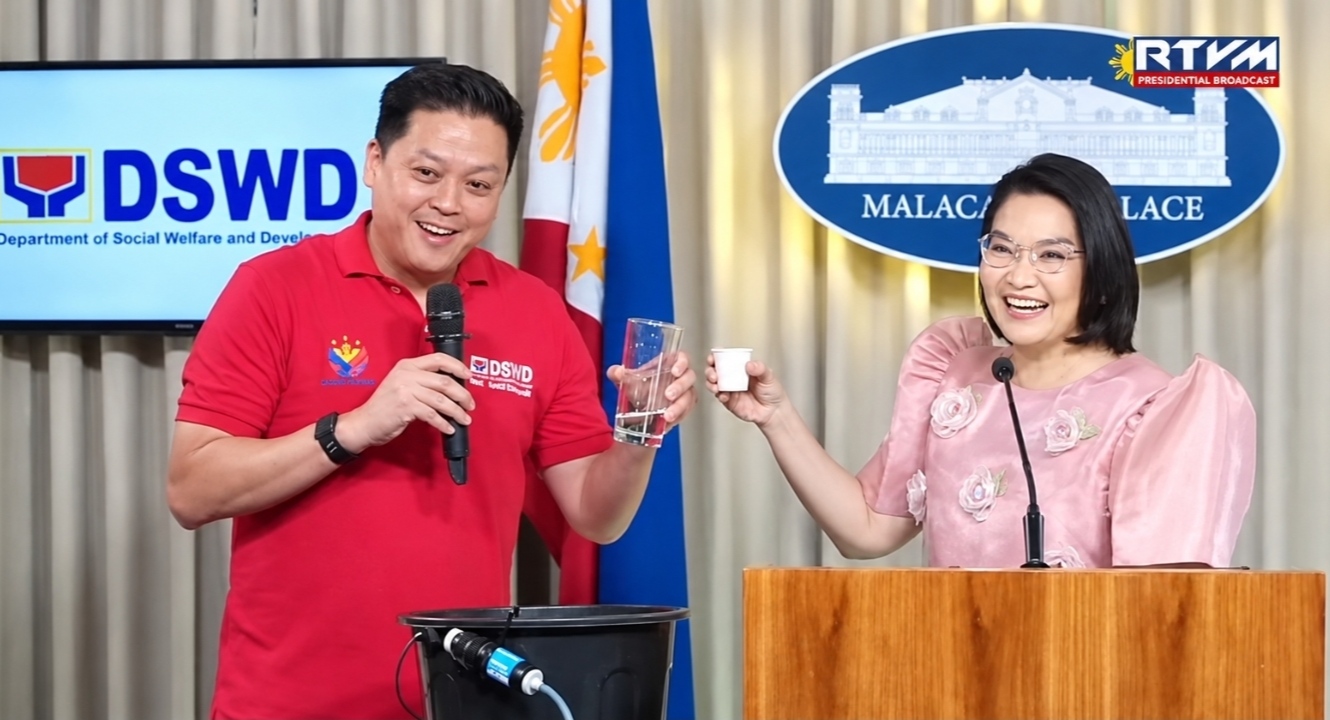
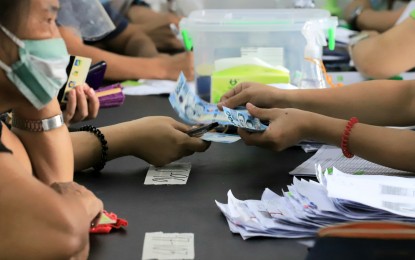
There is a dangerous kind of charity spreading in society today — one that does not seek to uplift the poor, but to advertise the benefactor. A sack of rice becomes a campaign poster. A simple act of assistance becomes a staged production. And the camera, instead of capturing compassion, exposes the painful truth behind the performance.
The image speaks loudly: “When you help the poor ones, please leave the camera at home.” Yet many cannot. Because for some personalities and political opportunists, helping is no longer about service — it is about branding, influence, and emotional manipulation.
The poor have become unwilling props in a carefully crafted spectacle of “concern.” Every relief distribution, every government aid, every temporary assistance is paraded online as if it came from personal pockets rather than from public funds entrusted by the people themselves. Programs meant to empower citizens are transformed into tools for political loyalty and image-building.
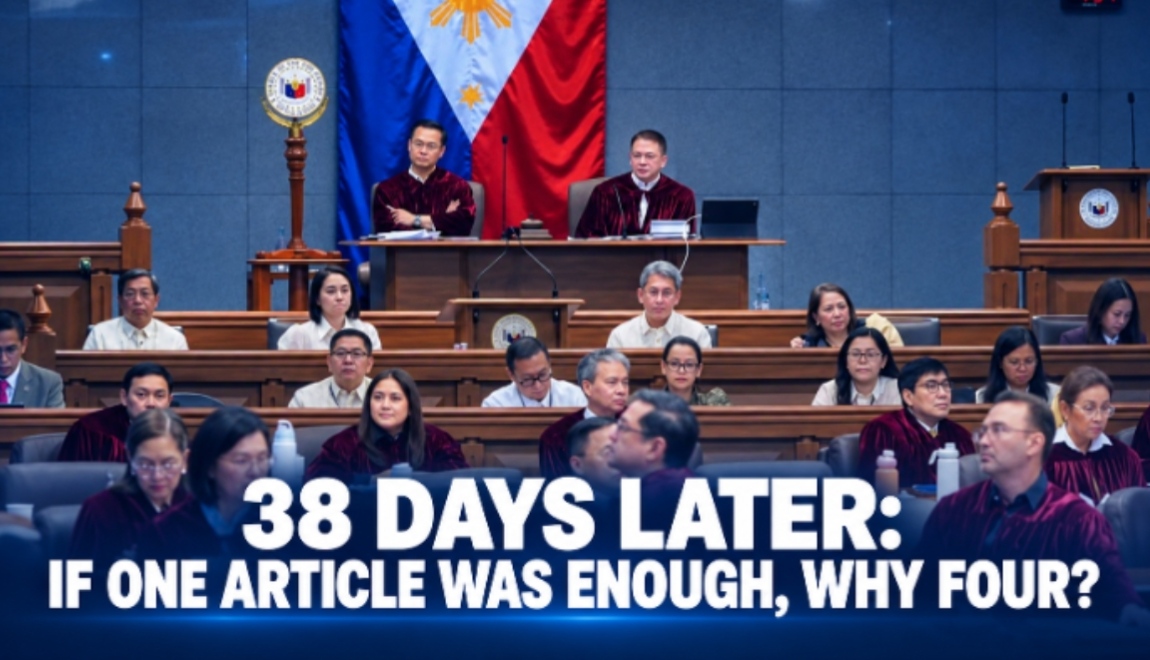
And what is even more tragic is how narratives are twisted to justify betrayal of principles once loudly proclaimed. The cry of “Tunáy na Pagbabago” slowly loses meaning when some who once stood for genuine reform begin defending actions rooted in personal survival, ambition, and convenience. Advocacy becomes flexible. Truth becomes negotiable. Loyalty to the people is exchanged for loyalty to power.
They speak of unity while sowing division.
They speak of service while serving themselves.
They speak of change while protecting the very system that keeps people dependent, poor, and politically captive.
This is the oldest political formula in the country: keep the people struggling, then arrive with cameras pretending to be saviors. Give temporary aid, but never lasting solutions. Offer sympathy, but avoid genuine empowerment. Because an educated, independent, and awakened citizen is dangerous to those who thrive on blind loyalty and poverty politics.
The sad reality is that pretentious public service often hides vested interests. Behind the smiling selfies and scripted generosity lies the hunger for influence, validation, and political mileage. Theatrics replace sincerity. Optics replace integrity.
Real compassion is quiet.
Real service does not require applause.
Real change does not manipulate emotions for political gain.
The people are no longer blind. More are beginning to see the difference between genuine concern and calculated showmanship. And no amount of staged charity, edited videos, or twisted narratives can permanently conceal the truth.
Because eventually, the camera that was used to fool the people also becomes the very evidence exposing the pretenders behind the act.