
An ordinary citizen’s plea for the rule of law
I am not a lawyer, nor a constitutional expert. I am simply an ordinary Filipino who believes that when political arguments become too loud and confusing, there is one fundamental document we should return to: the 1987 Constitution.
The recent controversies surrounding the impeachment proceedings have left many ordinary citizens struggling to distinguish legal principles from political maneuvering. Everyone seems to have an interpretation, an argument, or a position to defend. But amid all the noise, one question deserves to be asked: What does the Constitution actually say?
The Constitution is not a political suggestion that can be adjusted to suit changing circumstances. It is the fundamental law from which government derives its authority—and by which that authority is limited.
Article XI declares that public office is a public trust. This principle applies not only to officials facing impeachment but also to those entrusted with exercising the power to try and decide such cases.
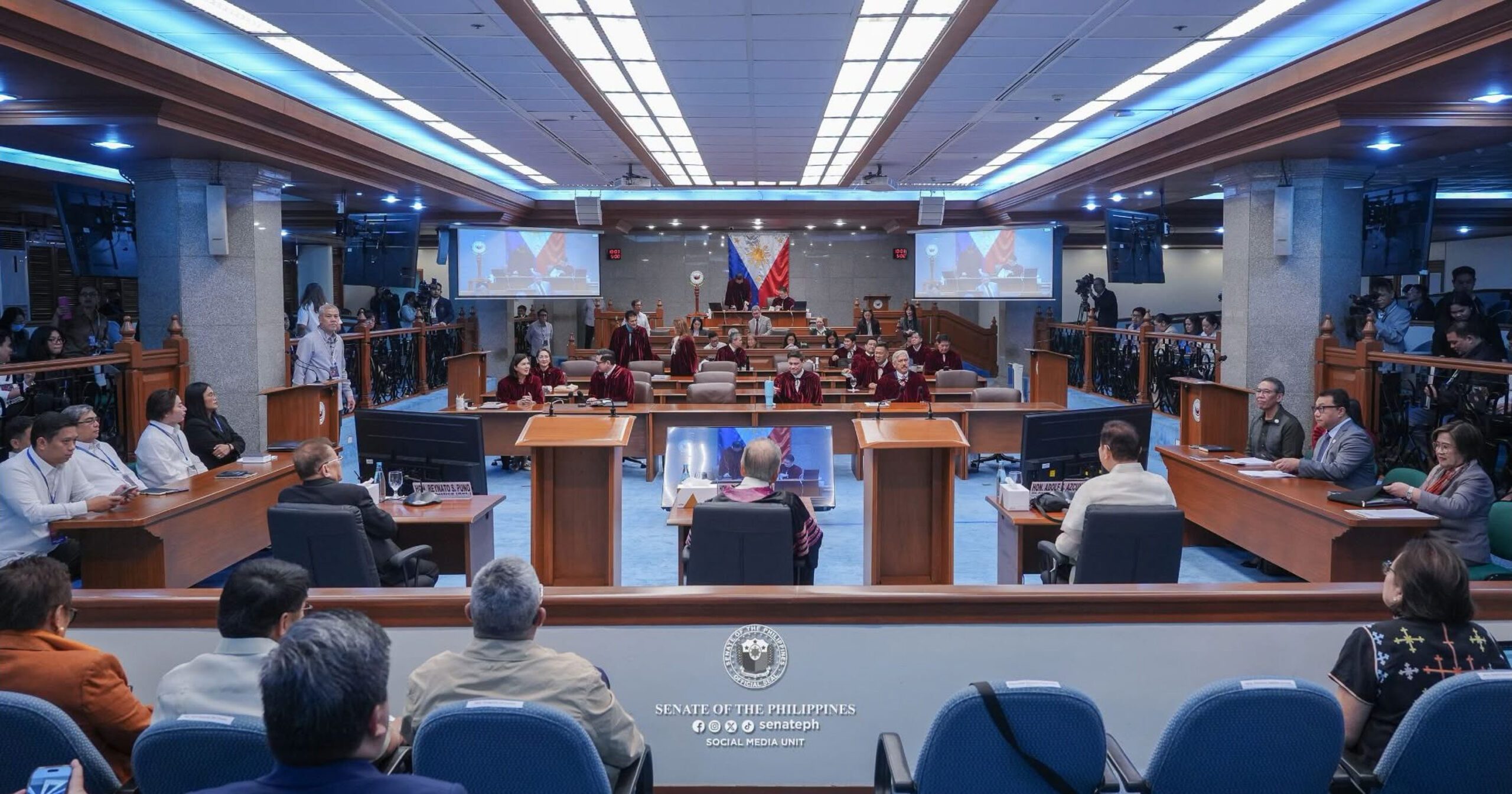
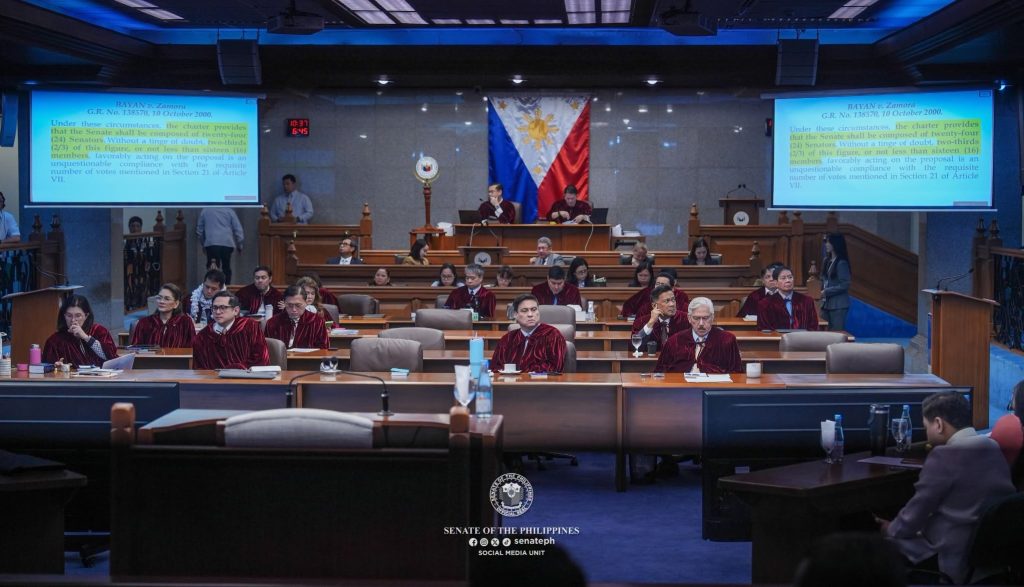
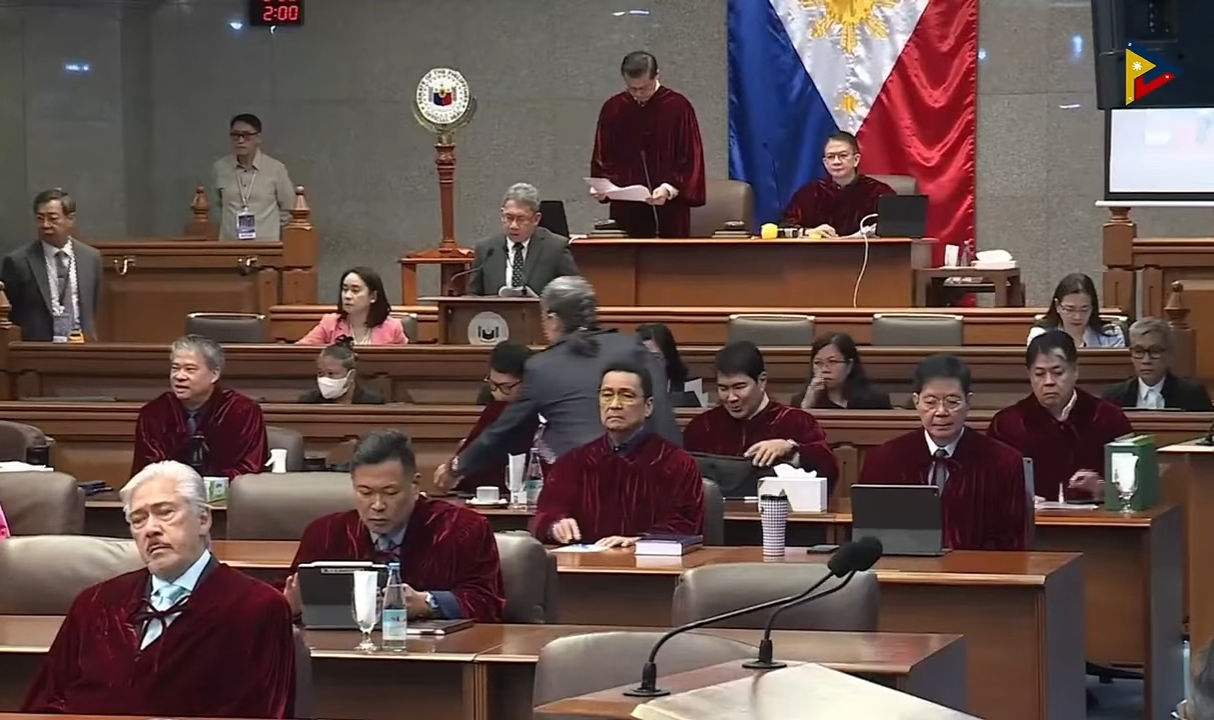
The Constitution grants the Senate the sole power to try and decide impeachment cases. But that authority does not place the Senate above the very Constitution that grants it. Its rules and proceedings must remain within constitutional boundaries.
Neither does this mean that the Supreme Court should take over the Senate’s constitutional functions. The distinction is clear: the Senate conducts the impeachment trial, while the Judiciary has the constitutional duty to review legal questions properly brought before it, including allegations of grave abuse of discretion amounting to lack or excess of jurisdiction.
In its 2025 impeachment ruling, the Supreme Court reaffirmed that impeachment, despite its political characteristics, remains a legal and constitutional process subject to judicial review.
This is not about defending or condemning any political personality. It is about defending a principle that must apply regardless of who holds power.
The Constitution must never become a casualty of political convenience.
Today, one political camp may benefit from a particular interpretation. Tomorrow, another may use the same interpretation to its advantage. Constitutional safeguards cannot be defended only when they serve our preferred side.
As an ordinary citizen, I believe we do not need a law degree to ask whether those exercising public power are respecting the law. We need only the willingness to read, understand, and demand accountability under the same Constitution that binds us all.
Power does not make an act constitutional. The Constitution defines the limits within which power may legitimately be exercised.
When political interests begin to overshadow constitutional principles, the danger extends beyond the official being tried. It threatens the integrity of the institutions meant to protect every Filipino.
So let us look beyond the political noise and ask: Are we faithfully following the Constitution, or are we merely searching for legal justifications for decisions already shaped by political interests?
That is not a partisan question. It is a question of democratic responsibility.
The Senate may try an impeachment case, but no institution should be allowed to place itself above the Constitution.
Because when political convenience becomes more powerful than the rule of law, it is not merely one politician who stands at risk.
It is every Filipino who depends on the Constitution for protection.