Photo courtesy: MMDA
Every time heavy rains trigger devastating floods, we are quick to blame nature. But the truth is far more uncomfortable. While intense rainfall may be the immediate cause, much of the destruction, loss of property, livelihood, and even human lives can be traced to a problem that has existed for years—human irresponsibility and government complacency.
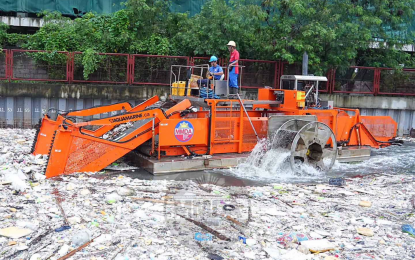
One of the most obvious yet persistent causes of flooding is the careless and reckless disposal of garbage into rivers, creeks, canals, and other waterways. Plastic waste, household trash, and other debris clog drainage systems and obstruct the natural flow of water. When heavy rains arrive, these waterways can no longer carry the volume of water they were designed to handle, resulting in floods that inundate entire communities.
Yet the blame does not rest solely on irresponsible individuals. Government agencies and officials tasked with managing waste and protecting the environment must also be held accountable. Year after year, the same flooding incidents occur, the same communities suffer, and the same excuses are repeated. Despite countless meetings, studies, public statements, and unreliable and fragile flood control projects, the problem remains largely unresolved.
Many continue to promote Materials Recovery Facilities (MRFs) as the answer to the country’s growing waste problem. While MRFs have their place in waste segregation and recycling efforts, they are far from a complete solution. What is urgently needed is a disciplined and efficient system of regular garbage collection, stricter enforcement of environmental laws, and serious consideration of modern waste-management technologies that can significantly reduce the volume of waste ending up in already overcrowded dumpsites.
What makes the situation even more frustrating is hearing government officials suddenly present themselves as experts on flood mitigation only after disaster has struck. Where were these solutions before the floods? Where were the comprehensive studies, preventive measures, and long-term plans while the skies were still clear?
Leadership is not about reacting when tragedy has already occurred. Leadership is about anticipating problems and implementing solutions before lives are lost and communities are devastated.
It is insulting to the public when officials offer “new” ideas every time a disaster happens, as if flooding is a newly discovered problem. These floods are not isolated incidents. They occur year after year. The clogged waterways, overflowing dumpsites, and inadequate waste-management systems have been visible for decades. The warning signs have always been there.
Taxpayers do not pay government officials to become commentators during emergencies. They are paid to govern, to plan, to study recurring problems, and to implement practical solutions that protect communities from preventable disasters. Public office carries with it a responsibility to act, not merely to speak.
If we are serious about reducing the impact of flooding, then both citizens and government must fulfill their responsibilities. Citizens must stop treating rivers and waterways as garbage dumps. At the same time, government leaders must move beyond press conferences, rhetoric, and reactive policies and instead invest in effective, long-term waste-management and flood-mitigation programs.
Because in the end, floods are not caused by rain alone. They are the consequence of years of neglect, poor planning, weak enforcement, and the collective failure to address a problem that everyone has seen coming.
And until we confront these realities with honesty and urgency, the cycle of flooding, destruction, and suffering will continue—while those entrusted to solve the problem remain content with explaining it after the fact.