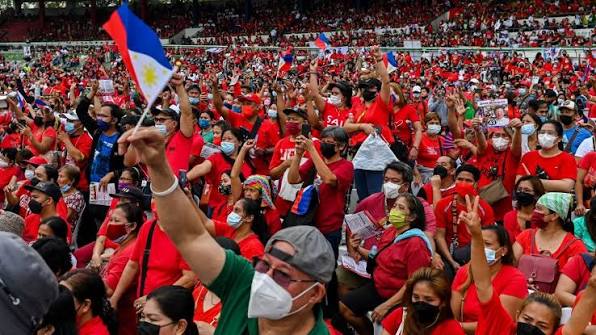
Photo courtesy: Vatican News

In every election, politicians ask for the trust of the people. They travel from barangay to barangay, shake hands in public markets, attend community gatherings, and deliver speeches filled with hope and promises. During the last election cycle, one slogan resonated deeply with millions of Filipinos: “Para sa Tunay na Pagbabago.”
It was more than a campaign line. It was a promise. It was and still is the battlecry of the good Vice President.
A promise that government would become more responsive to the needs of ordinary citizens. A promise that corruption would be confronted. A promise that public funds would be spent wisely and transparently. A promise that those elected into office would place the interests of the nation above political ambition.
Today, many Filipinos are asking a painful question: What happened to that promise?
While communities continue to struggle with poverty, inflation, inadequate healthcare, poor infrastructure, and recurring disasters, much of the nation’s political energy appears consumed by conflict and division. Instead of witnessing a united effort to address the country’s most pressing problems, many citizens see endless political battles, power struggles, and partisan maneuvering.
The frustration of the people is becoming impossible to ignore.
Across the country, citizens are demanding accountability for government spending. In congressional districts, constituents want transparency in the use of public funds. They want answers regarding projects that consume enormous budgets but fail to produce results that are visible and meaningful in the lives of ordinary Filipinos. They want proof of life than just speeches and groundbreakings. People want government officials to explain not only where the money went but also what the people received in return.
These concerns are not born from political loyalty to one personality or one faction. They arise from a growing sense that the government has drifted away from the priorities of the people, specially of the slogan they gainfully used.
Many supporters who once rallied behind the call for genuine change now feel disappointed. They believed they were voting for a government or leaders in particular that would challenge old political practices, not reproduce them. They expected leaders who would prioritize service over self-interest, governance over political vendettas and mileage and accountability over convenience.
Whether fair or unfair, a growing number of citizens now view some elected officials as having abandoned the very principles and advocacy for genuine chaned they once championed during the campaign. The slogan that inspired hope is now being measured against reality. And reality is proving to be a difficult test.
The Filipino people are not blind. They understand that democracy allows for disagreements, investigations, and constitutional processes. But they also understand the difference between governance that uplifts the nation and politics that consumes it.
What the public seeks today is not another slogan.
They seek leaders who remember the promises that brought them to power.
They seek transparency in government spending.
They seek accountability regardless of political affiliation.
They seek economic relief, better public services, safer communities, and opportunities for their families.
They seek to get even to a failed promised, a betrayal of trust against the leader who started it all. A profitable YES vote against a good friend.
Most of all, they seek sincerity.
For in the end, the greatest threat to any government is not criticism from its opponents. It is the disappointment of the people who once believed in it.
The promise of “Para sa Tunay na Pagbabago” did not belong to politicians. It is a battlecry against corruption and crooked system in governance. Its an advocacy by the Vice President and belonged to the Filipino people. And the people have every right to ask whether that promise is being fulfilled—or whether it has been forgotten in the pursuit of financial gain and power.
The next elections will not merely be a contest of names and parties. They will be a referendum on trust. A judgment on trust, honesty and loyalty. A reckoning between promises made and promises kept.
And when that day comes, the final decision will rest where it has always belonged—in the hands of the Filipino people.
The people are not bystanders, THEY are waiting for their constitutional right to suffrage. A YES is not always positive, oftentimes its a direct support to negative result.