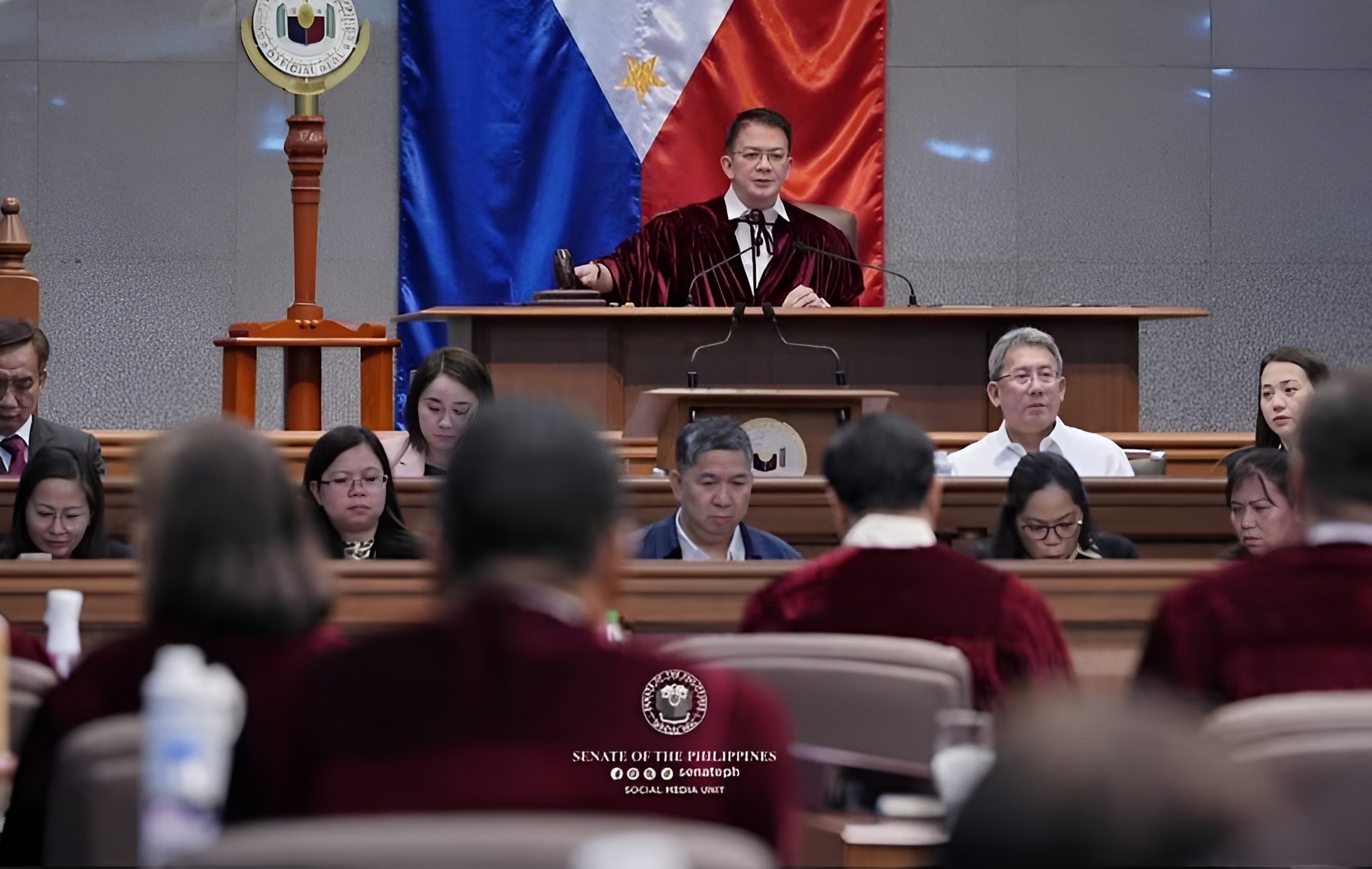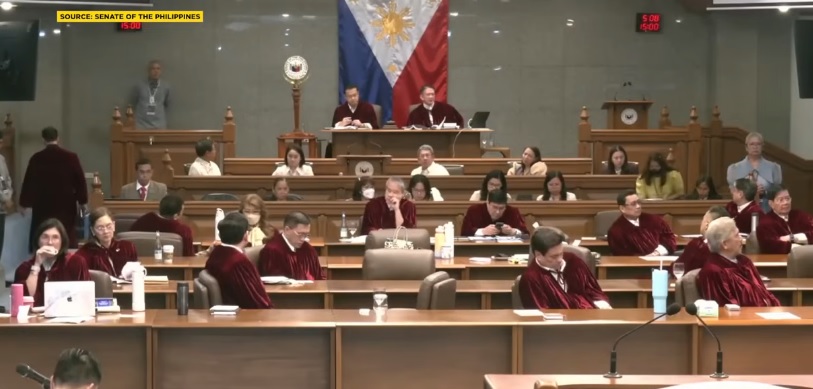
There was a time when courtrooms and constitutional processes were expected to be sanctuaries of reason—places where evidence outweighed emotion, facts prevailed over propaganda, and justice stood above politics. Today, many Filipinos can be forgiven for wondering whether those ideals are being drowned out by a spectacle that grows louder with each passing day.
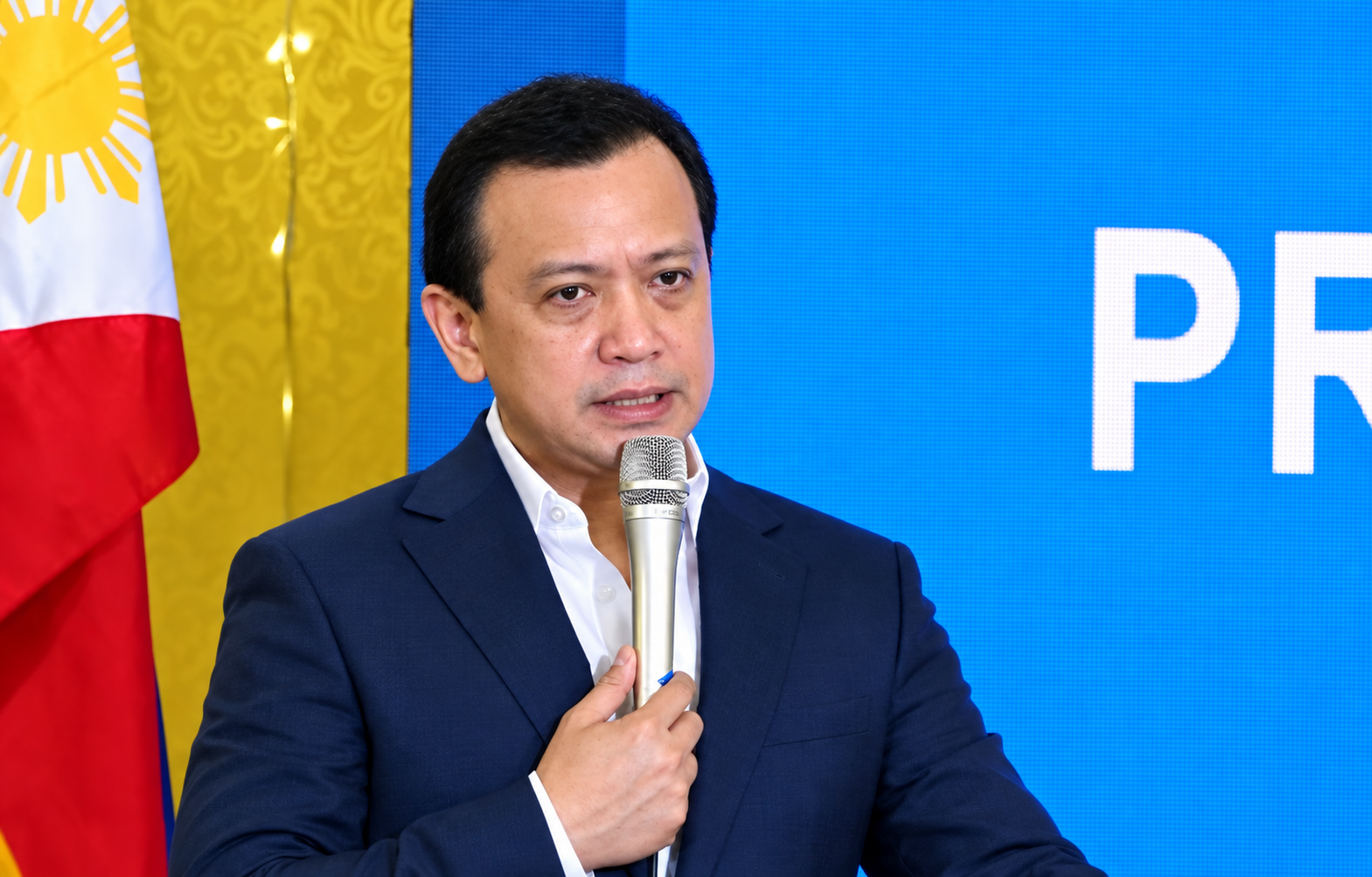
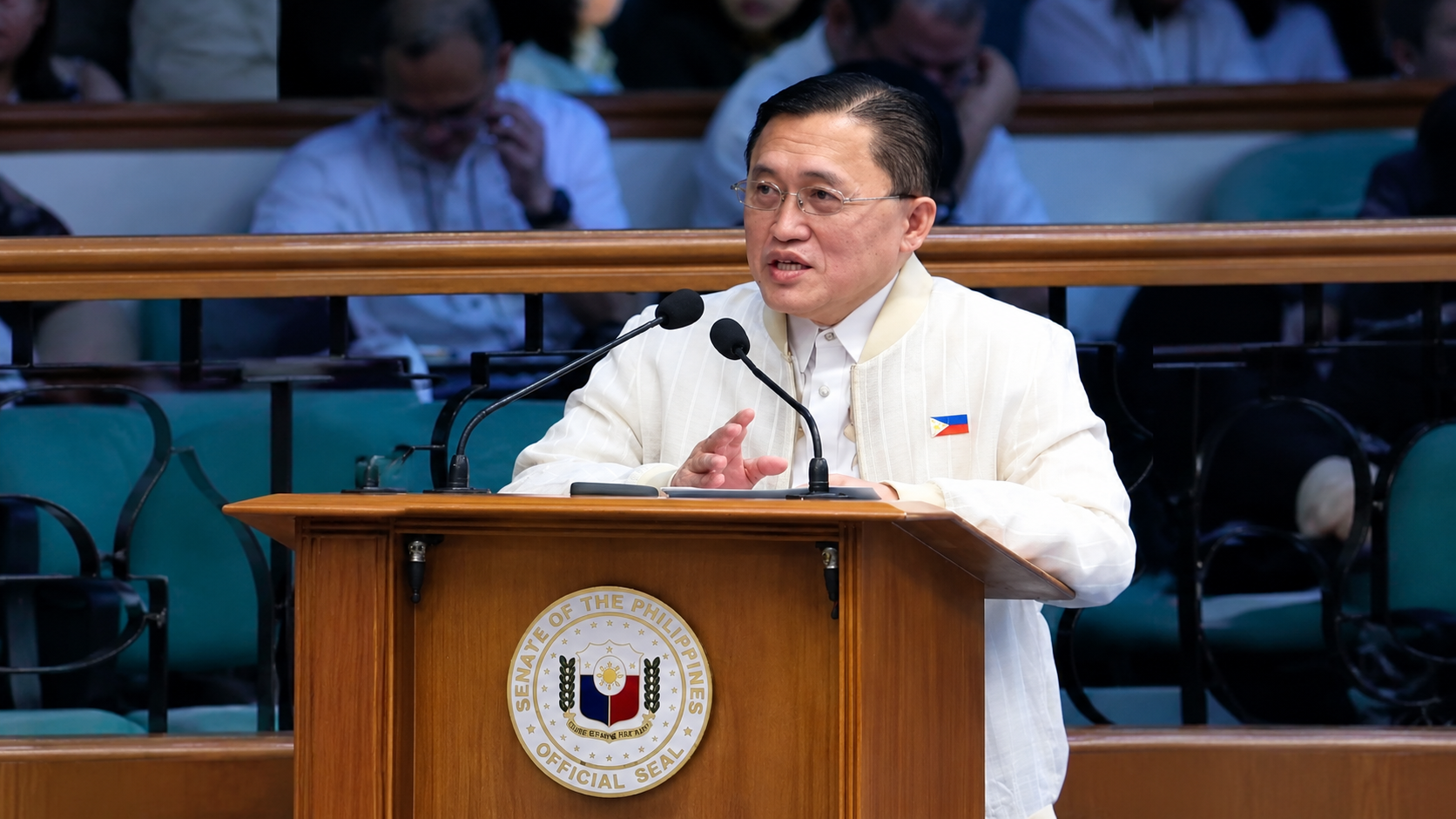
What should command the solemnity of the law increasingly resembles political theater. Every hearing becomes a stage. Every microphone becomes a prop. Every speech appears crafted not only for those inside the chamber, but for the cameras outside it. The battle is no longer confined to legal arguments—it has expanded into a relentless contest for headlines, social media engagement, and public applause.
It is disheartening to witness institutions that should inspire confidence becoming arenas where political narratives seem to compete with legal reasoning. When the optics of victory begin to overshadow the pursuit of truth, the public is left wondering whether justice is still the destination—or merely part of the script.
This is the true tragedy of our politics. Citizens are no longer simply divided by ideology; they are exhausted by the endless cycle of political spectacle. While inflation continues to burden families, corruption allegations demand accountability, disasters test the resilience of communities, and ordinary Filipinos struggle to make ends meet, national attention is repeatedly consumed by partisan drama. The people’s problems wait patiently in the wings while political actors compete for the spotlight.
Democracy demands vigorous debate, and accountability is indispensable. But accountability loses its moral force when it is perceived—rightly or wrongly—as serving political advantage rather than the public interest. Institutions derive their legitimacy not only from the powers granted to them by law, but also from the confidence they inspire through fairness, impartiality, and restraint.
The Philippines deserves better than a government perpetually trapped in campaign mode. We deserve leaders who understand that public office is not a stage, constitutional processes are not performances, and justice should never have to compete with political choreography.
History rarely remembers who delivered the most dramatic speech. It remembers who upheld the law, defended the truth, and placed the nation’s welfare above political ambition.
The curtain will eventually fall on every political performance. When it does, the question that will remain is painfully simple:
“Did our leaders strengthen the institutions of democracy—or merely use them as props in the greatest political show on earth?”