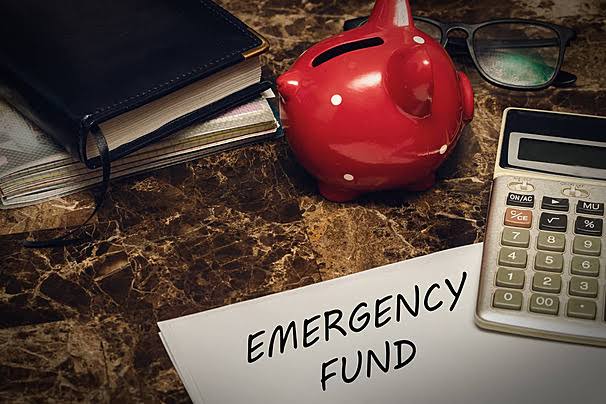

“An emergency fund is your financial seatbelt. You may not always need it, but when you do, you’ll be glad it’s there.” — Financial Proverb
Most, if not all of us, have experienced a financial emergency requiring us to shell out money from our own pockets. A family member needing emergency medical attention, an urgent home repair caused by flooding or earthquake or the family’s breadwinner got laid off due to company’s downsizing initiative. They come unexpectedly, giving you no time to prepare and can cause a great deal of stress and anxiety, especially when you don’t have the money.
That’s why we often hear the phrase, “save some for the rainy days”. We save for many reasons: for education, for travels, for major purchases or for retirement. But even before we save for all these, we need to prioritize saving and building our emergency funds. An emergency fund acts as your primary financial shock absorber, in case life’s twists and turns happen.
When you are faced with immediate expenses with no buffer, the temptation to dip into your long term savings account (e.g. retirement account) or sell your properties is always there. And almost always, it becomes more difficult to rebuild or restore what’s gone. Worst, if you don’t have any savings to withdraw from or asset to sell, you may be forced to take out personal loans or use your credit cards with high interest charges. This is how the cycle of debt starts. Having an emergency funds will help you protect your other assets and financial goals and prevent from relying on high-interest debt during sudden crises. Having this reserve money gives you peace of mind and allow you to focus on what matters most during those difficult times.
Financial experts usually recommend building an emergency fund that is equal and can cover three to six months of your essential living expenses. In case, there’s income disruption, you and your family will still have the money to support your basic needs until you’re able to earn again within the 3-6 month time frame.
Consistency is the key. Regardless of the amount just start building your emergency fund. Do not wait to have the excess money to start, as you will rarely have extra. As soon as you have the money, immediately save some for the emergency fund. In fact, even before you receive the money, auto transfer an amount to your emergency fund account. If you can only afford P100/month, that’s fine! What’s important is you build the habit to save. In due time, you will have the confidence to increase the amount. And before you know it, you have created your emergency fund.
Practice delayed gratification. Even before saying you have no money to save, take a closer look into how you are spending. How much is going to and how much can you cut from your non-essential spends? Cut on those subscriptions, food deliveries, coffee binge and on-line shopping. The few pesos you save from these cuts can build your emergency fund. Again, it’s not the amount, it’s the discipline.
Increase income source. With the rising cost of living, having one source of income is no longer enough. So, while we reduce our spending, we should also look for additional ways to generate income. Doing side hustles or part-time jobs like on-line selling, virtual assistance, or consulting, are income opportunities available for us. The extra money earned can fund your emergency purse.
Money kept together is spent together. Set up a separate emergency fund account so you avoid spending it for other purpose, like travel and other discretionary expense. Oftentimes, we dip into our common savings funds for non-essential spends with the intention to replace it for emergency situations. But almost always, it’s not been replaced by the time an emergency happens. Remember, emergency fund is not for emergency fun.
Keep your emergency fund in high yielding instrument. To maximize your emergency fund, keep it in a savings instrument that offers high yield. Instead of putting it in traditional savings account, you may want to consider putting it in time deposit which gives higher yield but at the same time gives you access to your money in case of emergency. The different digital banks offering higher rates on your deposits are also recommended.
We cannot control when emergency or crisis happens, but we can control how we prepare should it happen. How are you preparing for it?